
Livraison le jour même et le lendemain

Qualité garantie

Débloquez vos offres de bienvenue: Livraison GRATUITE | Jusqu'à -80 % | 30 jours d'essai gratuits à JoyPlus
Téléchargez l'application
A pot of stock might seem like a simple purchase. Yet products vary greatly in flavour, dosage, salt content, allergens and how you can use them. A stock cube for a quick soup isn't necessarily practical for a restaurant kitchen. And a bulk pack of stock powder can be awkward if you only cook occasionally.
For home chefs, families, hobby cooks and professional kitchens, there are three main pitfalls to watch out for:
Stock cubes are handy when you need roughly the same amount each time. You count the cubes and follow the preparation instructions, for example one cube per 500 ml or 1 litre of water. That makes them suitable for soups, sauces and one-pot dishes.
Stock powder is more flexible to dose. You can add a small amount to rice, pasta, stir-fries, marinades or a sauce without making a full stock first. For heavy use, bags of 900 g or 1 kg are often more practical than individual cubes.
Granules have a similar use to powder, but are often sprinkled directly over dishes. Totole Granulated Mushroom Bouillon 227g, for example, is intended for soups, stir-fries, sauces and marinades. According to the product information, this variant contains soya among other ingredients and has a salt content of 17,000 mg sodium per 100 g. So add gradually and taste as you go.
The price per pack doesn't tell you how much a portion costs. Look at the prepared yield and the recommended dosage.
Examples from the range:
Always check the pack for the most up-to-date preparation instructions. A product for 500 ml of water isn't directly comparable with one for 1 litre. For a family, a small pack of stock cubes may be enough; for catering, a canteen or restaurant, chicken stock powder in bulk can save time and packaging.
Stock often contains more than just salt and dried vegetables. Possible ingredients include flavour enhancers, palm fat, sugar, yeast extract, flavourings, chicken fat or beef powder. That's not necessarily a problem, but it needs to suit your preferences and recipes.
Pay particular attention to:
Also watch the salt content. Stock cubes and stock powder are concentrated flavourings. Only add extra salt after the stock has fully dissolved and you've tasted the dish.
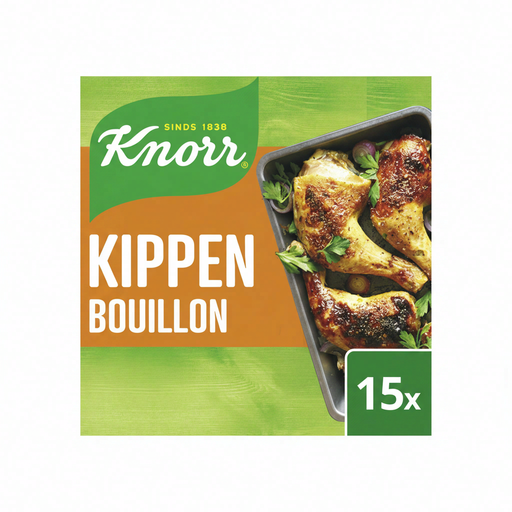
Why this fits the profile: The individual cubes are easy to count and, according to the product information, suitable for around 7.5 litres of chicken stock. Handy for everyday soups, sauces and pasta dishes.
The contents aren't just given in grams; the number of cubes and the stated yield make dosing clear. Do check the allergen information on the pack.
15 individual cubes; according to the product information, free from the 14 major allergens; suitable for chicken stock, soup and sauce.
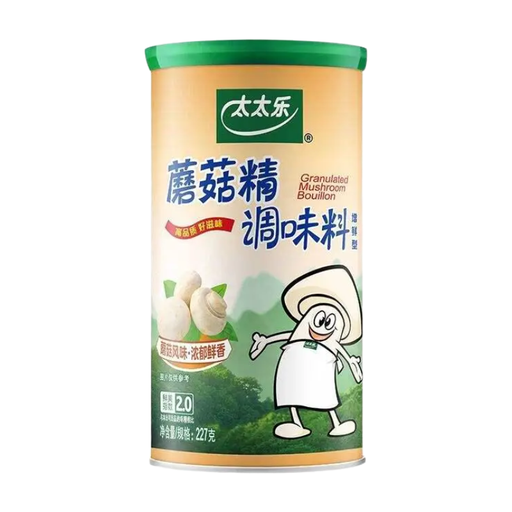
Why this fits the profile: This granulated mushroom variant is designed for umami flavour in Asian dishes, stir-fries, marinades and sauces.
Because it's a granule, you can dose small amounts instead of using a whole cube. Note: the product information lists soya as an allergen and a high sodium content.
227 g granules; suitable for soups, stir-fries, sauces and marinades; can be dosed directly.
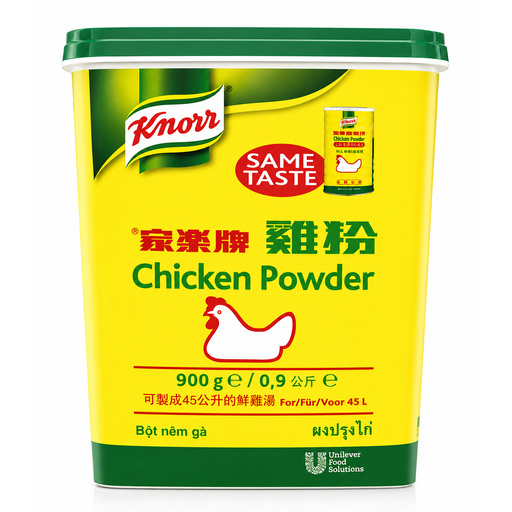
Why this fits the profile: The large pack is intended for frequent use and around 45 litres of prepared chicken stock, according to the product information. That suits catering, canteens, restaurants and large households.
The yield is easier to assess than with a pack that only shows the weight. Check the current ingredients and allergen list before buying.
900 g powder; suitable for soups, sauces, marinades, stir-fries, rice and noodle dishes; designed for heavy use.
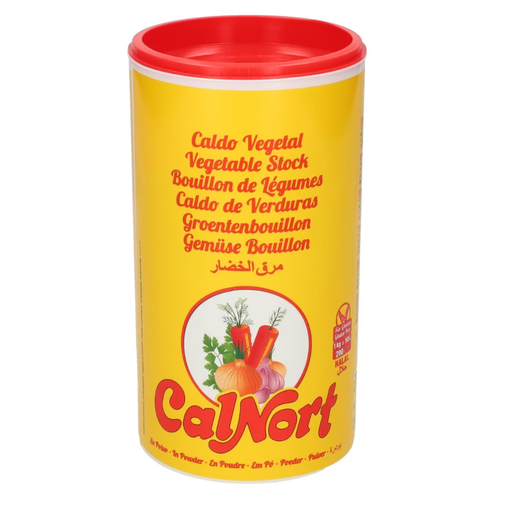
Why this fits the profile: According to the product information, this vegetable stock is vegetarian, gluten-free and free from the 14 major EU allergens. That makes it useful for a variety of plant-based dishes.
The product information lists specific properties rather than just a general vegetable flavour. Check the current pack if you need a strictly vegan product.
1 kg powder; dissolves in hot water; suitable for soup, stew, sauce, rice, stir-fries and marinades.
We've put together a full, up-to-date list of products that fully meet these strict selection criteria and current European safety regulations.
Stock cubes have a fixed dosage and are easy to count. Stock powder and granules give you more control when you only need a small amount. For large kitchens, powder is often practical, while cubes are handy for households that regularly make one pan of soup or sauce.
Choose a product that clearly states it's vegan. Vegetable stock isn't automatically vegan, because some variants may contain milk derivatives, flavourings or other animal ingredients. Also check the allergen declaration and the full ingredients list on the pack.
Store stock powder, granules and cubes in a cool, dry place, away from moisture and direct sunlight. Seal the pack tightly. Moisture can make the powder clump and affect quality. Always check the best-before information before use and don't use a product if the packaging is damaged.
