
Vandaag of morgen in huis

Kwaliteit gegarandeerd

Welkomstaanbiedingen ontgrendelen: GRATIS bezorging | Tot 80% korting | Gratis 30 dagen JoyPlus-proefperiode
Download de app
A stir-fry sauce can add plenty of flavour to a quick meal, but not every bottle suits every dish. Some sauces are predominantly sweet, while others are salty or spicy. Portion size and allergen information are also often only checked once the product is already in your shopping basket.
As a Joybuy Product Recommendation Officer, I filter product information based on practical points. That way, you can see in advance which stir-fry sauce suits your cooking style, budget and favourite ingredients.
Words like “honey”, “teriyaki” or “Hawaiian” often indicate a sweet flavour profile. That can work well with chicken, tofu or noodles, but less so with delicate vegetables or dishes where you want to season yourself. So check the sugar content and the ingredients list.
For comparison: Lee Kum Kee Honey Soy Stir-Fry Sauce lists 28.8 grams of sugars per 100 grams. Kikkoman Stir Fry Soy Sauce lists 33 grams of sugars per 100 grams. That doesn’t mean a sauce is unsuitable, but it does mean you need to adjust the amount to the rest of your dish.
Packaging with Asian imagery or terms doesn’t give you a complete picture of what’s inside. Look at the type of sauce, the preparation method, the size and the allergens. A hoisin sauce, for example, is typically sweet and spicy, whereas soy sauce mainly adds saltiness and umami. A stir-fry sauce can already contain several seasonings, meaning extra salt or soy sauce isn’t always necessary.
A 700g or 960g bottle can be good value if you make wok dishes often. For occasional use, a smaller size may be more practical. Also pay attention to the storage instructions after opening. Some products need to be refrigerated and, according to the packaging, have a limited period for use after opening.
First, decide what you want to use the sauce for:
Always check the label. A product description may say “vegetarian” or “vegan”, but the ingredients list and allergen information on the packaging remain the deciding factor.
Nutritional values are usually given per 100 grams or millilitres. That’s handy for comparing products, but the actual amount per meal depends on how you use it. A sauce with a high salt content can still be usable if you add only a little and use unsalted vegetables, noodles or rice.
According to the product information, Conimex Hoisin Wok Sauce is intended for 2 to 3 portions. Chicken Tonight Hawaiian Stir-Fry Sauce is stated as suitable for 3 to 4 people. Information like this helps to avoid waste.
Many stir-fry sauces contain soya and wheat. That applies to various types of soy sauce, teriyaki sauce and hoisin sauce. Also look out for:
If you have an allergy or intolerance, you must check the actual packaging. Product information can change, and a general term like “Asian stir-fry sauce” tells you nothing about the composition.
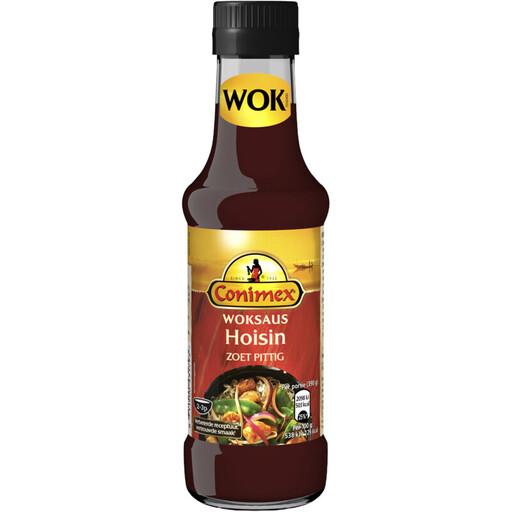
Why this suits the profile: The 175 ml size is manageable for anyone wanting to try a hoisin sauce for the first time. According to the product information, the sauce is suitable for wok dishes, dressings and marinades.
The packaging states a clear application and portion guideline. That means you don’t have to buy a large bottle straight away without knowing whether the flavour suits your dishes.
175 ml; vegetarian according to the product description; can be used for stir-frying, marinating and as a dressing.
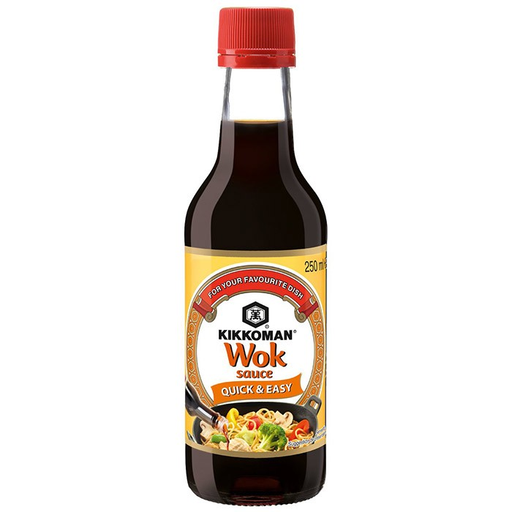
Why this suits the profile: According to the product information, this sauce is intended for stir-frying, simmering and braising. You add it at the end to vegetables, noodles, tofu or meat.
The usage instructions make it clear when to add the sauce. That helps prevent the sauce from cooking for too long or overpowering the texture of noodles and vegetables.
250 ml; suitable for high temperatures according to the description; contains soya, wheat and sulphites.
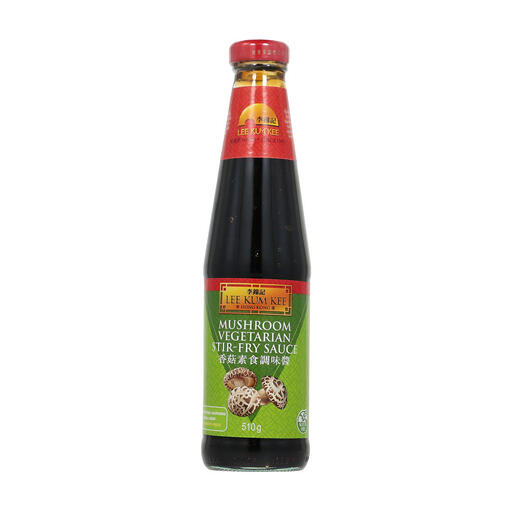
Why this suits the profile: According to the product information, this sauce is suitable for vegan and vegetarian dishes with vegetables, tofu and noodles. The 510g size suits regular use.
The product description explicitly mentions use without animal ingredients. Always check the current label and allergens though: soya and wheat are listed.
510 grams; suitable for stir-frying, braising and dipping; according to the product information, refrigerate after opening.
A stir-fry sauce works most predictably when you prepare the ingredients in the right order:
For a vegan stir-fry sauce, look for varieties with mushrooms, soya and herbs, without milk, egg or other animal ingredients. If you prefer to keep more control, combine soy sauce with garlic powder, ginger, pepper and a little rice vinegar. A loose seasoning sauce, such as Healthy Boy Seasoning Sauce, can serve as a base for that, but according to the product information it contains soya, wheat and flavour enhancer E621.
We have compiled a full, up-to-date list of products that fully meet these strict selection criteria and the applicable European safety regulations.
A mild hoisin, teriyaki or soy sauce often works well with noodles and stir-fried vegetables. Choose hoisin for a sweet-spicy flavour, teriyaki for sweet and savoury, and soy sauce for more saltiness and umami. Add the sauce gradually to prevent the vegetables from going limp.
That depends on the product and the amount of ingredients. The product information for Conimex mentions roughly 2 to 3 portions per pack, while other sauces indicate a quantity in millilitres per dish. Start with a small splash, taste and add more if needed.
Store unopened sauce according to the instructions on the packaging, usually in a cool, dry place away from direct sunlight. Refrigeration may be necessary after opening. Always check the label, close the bottle tightly and use the stated shelf-life information as a guide.
