
Vandaag of morgen in huis

Kwaliteit gegarandeerd

Welkomstaanbiedingen ontgrendelen: GRATIS bezorging | Tot 80% korting | Gratis 30 dagen JoyPlus-proefperiode
Download de app
Sticky rice, also known as glutinous rice or sticky rice, provides the cohesive texture you need for Thai desserts, rice cakes, dumplings and certain savoury Asian dishes. However, buying it online can often go wrong. For example, a pack may describe the rice as “sticky” when it is actually ordinary rice. Serving size, preparation and the difference between white and black sticky rice are not always clearly considered either.
Use these checks to avoid a disappointing purchase and make a more informed choice from the range of Thai sticky rice and Asian sticky rice.
Jasmine rice can become soft and slightly sticky after cooking, but that does not make it sticky rice. Glutinous rice is a specific type of rice with a naturally cohesive, elastic texture. For authentic mango sticky rice, zongzi or certain rice cakes, you therefore need a pack clearly labelled “glutinous rice”, “sticky rice” or “kleefrijst”.
Also look out for products with “jasmine” in the name. The Royal Thai Jasmine Rice in the range is intended for everyday rice dishes, stir-fried rice and rice bowls. Although the product description mentions a soft, slightly sticky texture, this product is not Thai sticky rice.
An 18 or 20 kg bag may seem better value, but it is not practical for every kitchen. Sticky rice takes up storage space and must be sealed properly after opening, stored in a cool, dry place and kept away from moisture. For a household that only makes dessert occasionally, 1 kg is often easier to manage. For a caterer, restaurant or family that regularly prepares Asian dishes, a bulk pack of sticky rice may be the more sensible choice.
So do not compare only the price per kilo. Also consider your actual consumption, available storage space and the shelf-life information on the packaging.
White sticky rice usually has a neutral base and works well in both sweet and savoury preparations. Black sticky rice, also known as black glutinous rice, has a dark purple-black colour and is often chosen for desserts, porridge and sweet rice dishes. Product descriptions regularly mention a nutty flavour for black rice, but the precise taste and texture depend on the brand, preparation method and soaking time.
Choose white Thai sticky rice for:
Choose black sticky rice when colour and a firmer, nuttier character are important, for example for sticky rice for desserts, sweet soup or rice pudding. Always check that the product contains 100% sticky rice. No additions are needed for the basic products mentioned above.
A practical guide:
A larger pack is not automatically better value if part of it is left open for a long time. After opening, store the rice in the original, tightly sealed packaging or in a clean, airtight food container.
Sticky rice is often prepared differently from ordinary white rice. First rinse the grains according to the product instructions. Many varieties then need to be soaked for several hours before being steamed. For example, Aroy-D Extra Super Quality Black Glutinous Rice recommends soaking for 6 to 8 hours or overnight, followed by steaming or boiling until the rice is soft and sticky. Other products only state that rinsing and, where necessary, soaking are required.
So do not automatically use the water ratio for ordinary rice. Check the instructions on the packaging and adjust the preparation to achieve your preferred texture. Steaming is often the most suitable method for Thai sticky rice; boiling it in plenty of water can result in a heavier or more porridge-like texture.
Rice is naturally gluten-free. The product information for the sticky rice products mentioned here generally states that they contain none of the 14 major EU allergens. This applies, for example, to the listed ingredients of the Royal Umbrella and Sunlee products. Nevertheless, if you have an allergy or coeliac disease, always check the current packaging and any cross-contamination information. A prepared dish may also contain gluten through sauces, stock or other ingredients.
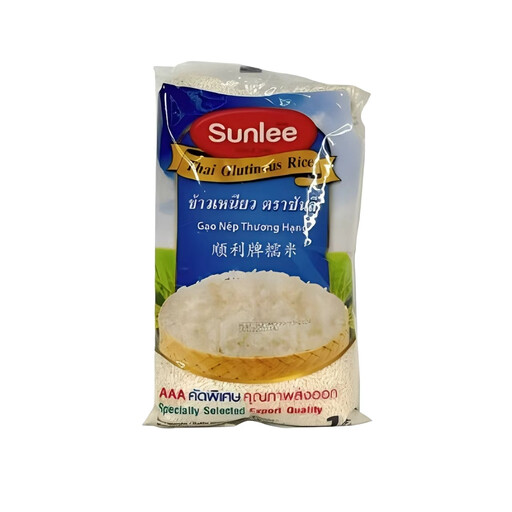
Why it suits this profile: A manageable pack for anyone using sticky rice for the first time in desserts, sushi-style preparations or other Asian dishes.
The product name clearly states glutinous rice, while the weight means you do not have to buy a large stock straight away.
1 kg, ingredient listed in the product information as glutinous rice, and suitable for a variety of Asian dishes.
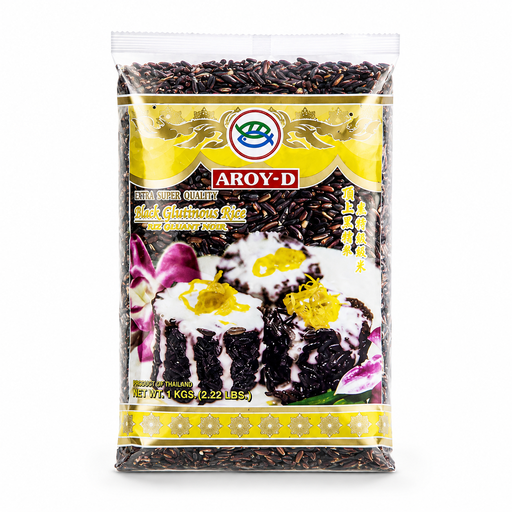
Why it suits this profile: For anyone specifically looking for black sticky rice for Thai desserts, rice pudding or a striking twist on mango sticky rice.
The product description specifies black glutinous rice, its origin in Thailand and a precise soaking time of 6 to 8 hours.
1 kg, 100% black sticky rice according to the product information, with a soft and chewy texture after preparation.
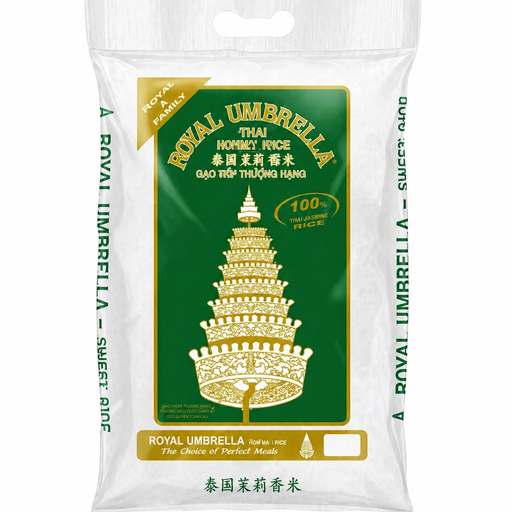
Why it suits this profile: The large bag is designed for frequent use in food service, catering or a large household that regularly prepares Thai dishes.
The pack size is clearly stated as 18 kg and the product information specifies 100% Thai sticky rice.
18 kg contents and, according to the product description, suitable for traditional dishes, desserts and snacks.
We have compiled a complete, up-to-date list of products that fully meet these strict selection criteria and the applicable European safety regulations.
No. Sushi rice is usually a short-grain rice that becomes sticky after cooking because of its starches. Sticky rice, or glutinous rice, has a different structure and is often steamed. So use the type of rice specified in the recipe.
Rice is naturally gluten-free. For the products mentioned, the product information states that the ingredients contain none of the 14 major EU allergens. If medically necessary, always check the current label and the information on possible cross-contamination.
The exact shelf life is stated on the packaging. Store the rice in a cool, dry, dark place in a well-sealed container. Do not use a product if the packaging is damaged or if you notice moisture, insects or an unusual smell.
