
Livraison le jour même et le lendemain

Qualité garantie

Débloquez vos offres de bienvenue: Livraison GRATUITE | Jusqu'à -80 % | 30 jours d'essai gratuits à JoyPlus
Téléchargez l'application
Buying sticky rice might seem straightforward, but not every packet will suit your recipe, cooking method or how much you use. Whether you’re after rice for mango sticky rice, sweet rice cakes or savoury dumplings, the grain type, origin, packaging and preparation advice matter far more than words like “premium” on the front.
Three common pitfalls can help you choose more wisely:
Look on the label or ingredients list for sticky rice or 100% glutinous rice only. That gives you clarity on the product type. “Glutinous” in this context means sticky and does not refer to wheat gluten. Many products are therefore sold as gluten-free rice.
That’s not the same as a guarantee for every food allergy situation. Always check the current packaging and information about possible cross-contamination, especially if you have coeliac disease or a serious allergy.
For mango sticky rice and other Asian desserts, white sticky rice is usually the obvious choice. Black sticky rice has a dark purple-black colour, a firmer bite and often a nutty flavour. This variety works well in sweet soups, puddings and desserts with coconut milk.
The quantity affects not only the price, but also how easy it is to use:
Store opened rice in a cool, dry place away from direct sunlight. Seal the packaging tightly to protect against moisture and contamination. On delivery, check that the bag isn’t damaged.
The correct method varies by brand and recipe. A general guideline is:
According to the product description for Royal Thai Sticky Rice, this rice is intended to be rinsed and thoroughly steamed. Green Dragon mentions uses including mango sticky rice, dim sum and rice cakes. If in doubt, always follow the preparation method on the packaging; cooking time and the amount of water needed can vary between products.
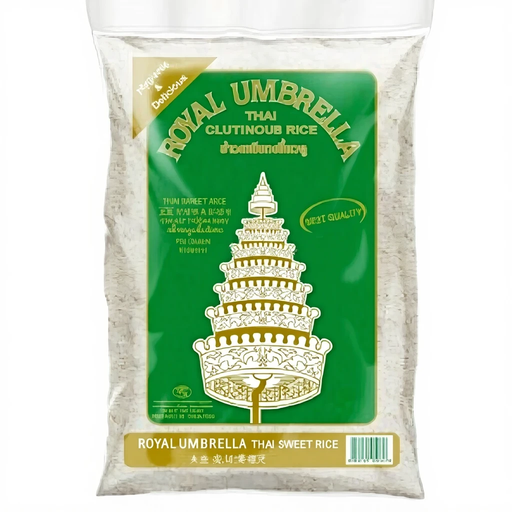
Why it fits this profile: The 1 kg bag is manageable for anyone using sticky rice for the first time or cooking Asian dishes only a few times a month. According to the product information, the rice is 100% sticky rice.
The clear product name makes it easier to distinguish from ordinary Thai jasmine rice. The smaller bag also limits waste from having too large a stock.
1 kg content; according to the description, suitable for sweet and savoury Asian dishes.
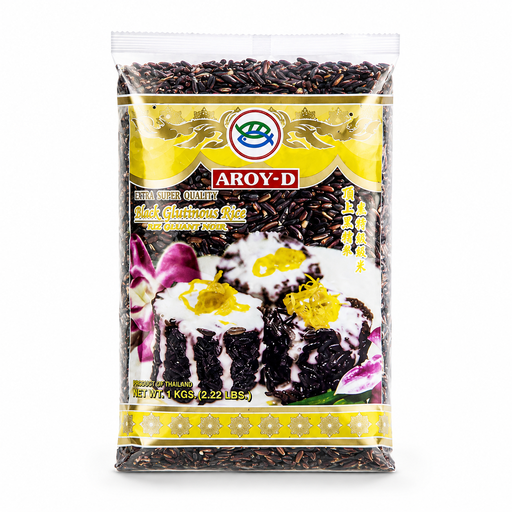
Why it fits this profile: This black sticky rice is a targeted choice for anyone who values colour, texture and flavour in Asian desserts and rice pudding.
The product information explicitly mentions the dark colour and advises soaking and steaming. That gives you more guidance than a packet with only general cooking claims.
1 kg; according to the product description, sourced from Thailand and suitable for sweet and savoury recipes.
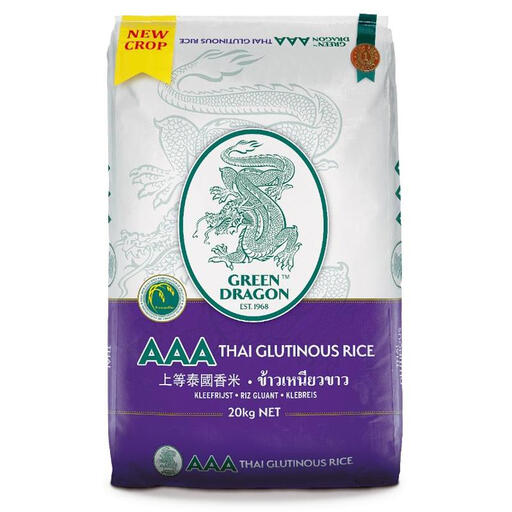
Why it fits this profile: The 20 kg bag is designed for heavy use in large households, restaurants, catering or meal preparation.
The large quantity means you won’t have to keep ordering small packets if you cook regularly. Only choose this size if you can store the rice in a dry, sealed container.
20 kg content; according to the product information, 100% sticky rice and suitable for desserts, rice cakes and savoury dishes.
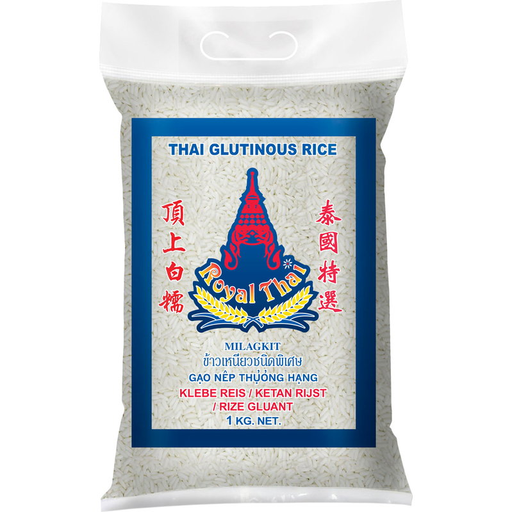
Why it fits this profile: 4.5 kg offers a middle ground for households that regularly make mango sticky rice, dumplings or other Asian dishes.
The bag is larger than a trial size, but less bulky than a catering pack. The product description mentions a soft, sticky and firm texture after cooking.
4.5 kg content; according to the product information, free from artificial colours and preservatives.
We’ve put together a full, up-to-date list of products that fully meet these strict selection criteria and current European safety regulations.
No. Sticky rice, also called glutinous rice, has a strongly cohesive, chewy texture after steaming. Sushi rice is usually a short-grain rice that becomes sticky after cooking, but it’s prepared and used differently. Always check your recipe and the product name.
Often, yes, especially if you’re going to steam the rice. The exact time varies by type and recipe. Some product descriptions recommend soaking for several hours or overnight; others only say to rinse and steam. Follow the instructions on the packaging.
Unopened rice will stay usable until the date on the packaging, provided you store it in a dry, cool place away from direct sunlight. After opening, a well-sealed container is important. If the rice smells unusual, has been exposed to moisture or the bag is damaged, do not use it.
