
Vandaag of morgen in huis

Kwaliteit gegarandeerd

Welkomstaanbiedingen ontgrendelen: GRATIS bezorging | Tot 80% korting | Gratis 30 dagen JoyPlus-proefperiode
Download de app
A stick vacuum seems like the ideal solution for a quick and clean home. No more fussing with cords, no more lugging a heavy appliance up the stairs. But the market is flooded with models that promise the world. Many buyers discover after a few months that their purchase isn't as convenient as they had hoped. As a Product Recommendation Officer at Joybuy, I filter through the noise and help you make the right choices, without the marketing jargon.
Before you make a decision, it's important to recognise three common pitfalls that consumers often fall into:
To avoid buyer's remorse, it's better to focus on a few practical specifications that truly make a difference in daily use.
Look beyond the maximum battery life. Ask yourself: how long do I need for a normal cleaning session? For most households, a realistic runtime of 20 to 30 minutes on a medium or high setting is more than enough. A cordless vacuum with a swappable battery can be a lifesaver for larger homes. Also, pay attention to the charging time; you don't want to wait half a day before you can continue.
A good stick vacuum combines powerful airflow with a smart brush.
The whole advantage of a stick vacuum is its convenience. A lightweight stick vacuum (ideally under 3 kg) is easier to manoeuvre and use for cleaning ceilings or stairs. Many models are a 2-in-1 vacuum, meaning you can easily convert them into a handheld vacuum. This is useful for the car, furniture, or the kitchen table.
Below are a few models that, based on their specifications, are well-suited for different needs and avoid the pitfalls mentioned earlier.
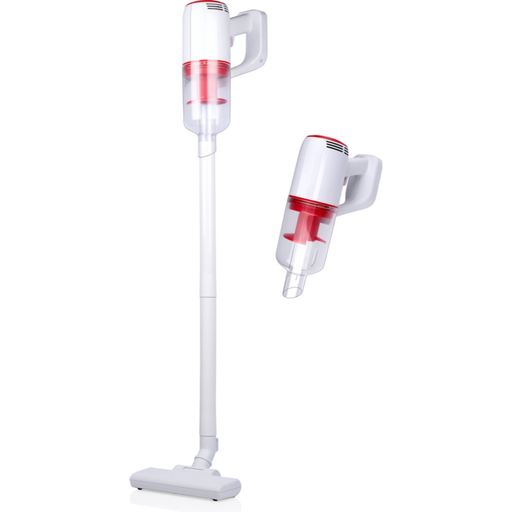
Why This Fits Their Persona: Ideal for students or small apartments. This model focuses on the basics: it's lightweight, compact, and quickly converts to a handheld. Perfect for daily quick clean-ups without paying for features you won't use.
This model avoids the pitfall of exaggerated claims. Its battery life (max. 25 min) is modest but realistic for quick jobs, fitting its price point.
Extremely lightweight (1.3 kg) and a 2-in-1 function make it highly flexible for both floors and furniture.
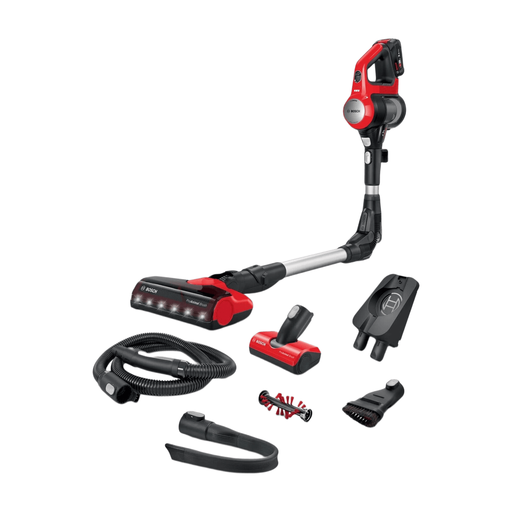
Why This Fits Their Persona: Specifically designed for households with pets. The combination of a powerful motor and a special brush effectively tackles pet hair on both hard floors and carpet.
Tackles the 'high suction power' pitfall by focusing on what really counts: an effective brush. The ProAnimal Brush is specifically designed to pick up hair without tangling.
Special ProAnimal brush for pet hair and LED lights on the nozzle to ensure no dirt is missed.
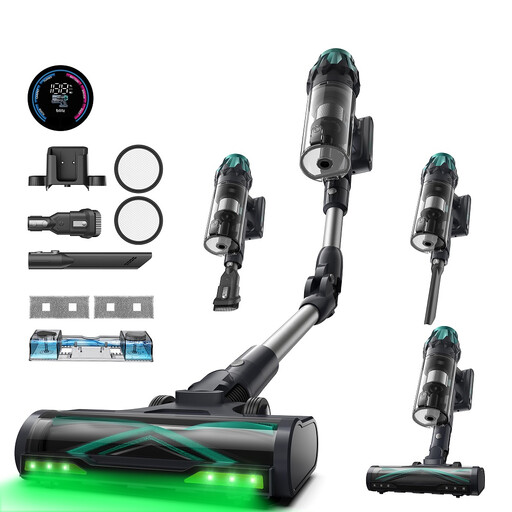
Why This Fits Their Persona: For those who want to clean the entire house in one go. This model combines a long runtime, a powerful motor, and a stick vacuum with a mopping function. The flexible wand makes cleaning under furniture easier.
This model addresses the battery life pitfall with a runtime of up to 60 minutes and a swappable battery. The mopping function is a practical addition, not a gimmick.
Combines vacuuming and mopping, has a long runtime, and a flexible wand for getting under furniture easily.
We have compiled a complete, up-to-date list of products that fully meet these strict selection criteria and safety standards.
This depends on usage, but a good rule of thumb is to empty the dustbin after every session and check the filters monthly. Many modern stick vacuums have washable filters. Tap them out outside and rinse them under the tap. Let them dry completely (at least 24 hours) before putting them back to prevent mould and reduced suction power.
For many households, especially in apartments or homes with mostly hard floors, a powerful stick vacuum can certainly replace a traditional vacuum. They are ideal for daily cleaning. For homes with a lot of high-pile carpet or for a very deep, semi-annual clean, a canister vacuum with its continuous power supply and larger dust capacity can still be a useful addition.
Pascals (Pa) measure pressure, or how strongly the motor can create a vacuum. Air Watts (AW) is a more complete measurement that combines both pressure (Pa) and airflow (CFM). Therefore, Air Watts often provide a better picture of the actual cleaning performance of the vacuum at the nozzle. A higher number of Air Watts generally indicates more effective dirt pickup.
