
Vandaag of morgen in huis

Kwaliteit gegarandeerd

Welkomstaanbiedingen ontgrendelen: GRATIS bezorging | Tot 80% korting | Gratis 30 dagen JoyPlus-proefperiode
Download de app
A stick vacuum promises to revolutionise your household cleaning: no more wrestling with cords, dragging heavy machines up the stairs, or fumbling with clumsy dust bags. But the reality can be quite different. Many models see their performance degrade after just a few months, the battery is always dead when you need it, or maintenance turns out to be a tedious chore. Before you invest in a new cordless vacuum, it's wise to look beyond the marketing claims.
We often see consumers fall into a few common pitfalls:
This guide will help you avoid these pitfalls and choose a model that truly fits your household.
To avoid buyer's remorse, it's helpful to understand a few technical specifications. These are the factors that truly make a difference in day-to-day use.
While suction power is often expressed in Pascals (Pa), which measures pressure, Air Watts (AW) is a more complete indicator. Air Watts combines suction power with airflow, providing a better picture of how effectively a vacuum can pick up debris, especially from carpets and crevices. A model with a lower Pa value but a more efficiently designed nozzle can outperform a model with a high Pa value and a poor design. So, look beyond just the number and pay attention to the combination of motor power (Watts), nozzle technology, and, if listed, the Air Watts.
Battery life is one of the most critical factors for a cordless vacuum. Ask yourself how large your home is and how you plan to use the vacuum.
Modern stick vacuums can do more than just vacuum. Consider which extra features are valuable to you.
Based on objective specifications, we have selected several models that suit different households and needs.
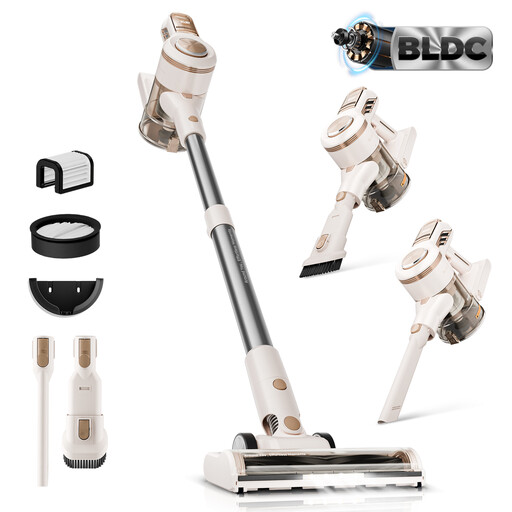
Why This Fits Their Persona: Ideal for apartments or as a secondary vacuum for quick jobs. This model is lightweight and easy to grab for daily crumbs or cleaning the car.
The swappable battery tackles the problem of unrealistic battery life. You can purchase a second battery to double the runtime, so you don't have to stop cleaning midway through.
Powerful suction (up to 45kPa) for its price point and a removable battery for flexible use. The LED display clearly shows its status.
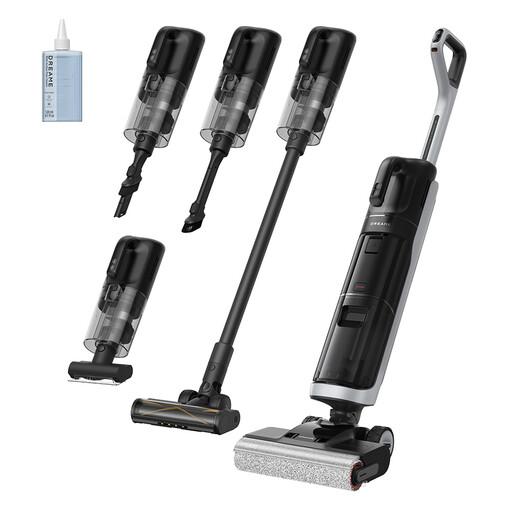
Why This Fits Their Persona: This model is a wet and dry vacuum that tackles spilled drinks, food scraps, and pet hair all at once. Perfect for families where little accidents are a daily occurrence.
It addresses the hidden maintenance pitfall with a self-cleaning mode. After use, the device cleans the brush roll itself in the base station, reducing odours and manual cleaning work.
Combines vacuuming and mopping, features a HEPA filter for better air quality, and has a practical self-cleaning function. The 35-minute runtime is more than enough for most cleaning jobs.
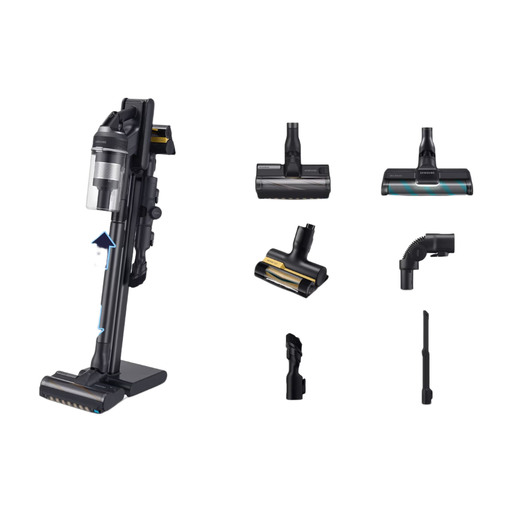
Why This Fits Their Persona: For households with a lot of carpet or those who simply want a thorough, deep clean. This model focuses on pure suction power and ease of use for a spotless result.
This model focuses on what really counts: suction power. With 210W of suction, it delivers performance that surpasses marketing claims. The long 60-minute runtime is realistic for a full cleaning session.
Very high suction power (210W) for deep cleaning, a long 60-minute runtime, and a hygienic Clean Station that automatically empties the dustbin.
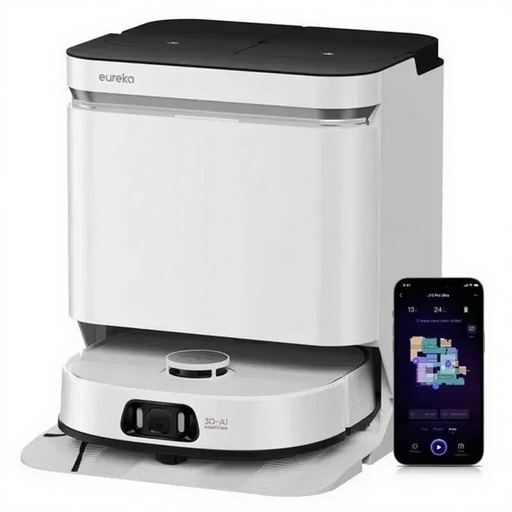
Why This Fits Their Persona: For the tech enthusiast or anyone who would rather not spend time vacuuming. This robot vacuum with a mopping function and a fully automatic base station takes the work completely off your hands.
This is the ultimate solution to the hidden maintenance pitfall. The 8-in-1 base station empties the dustbin, washes the mop pads with hot water (75°C), dries them, and refills the water tank itself. Maintenance is minimal.
Completely hands-free cleaning for up to 75 days. The combination of very high suction power (16,200 Pa), anti-tangle technology, and smart dirt detection ensures a thorough clean with no effort required.
We have compiled a complete, up-to-date list of products that meet these strict selection criteria and safety standards.
This depends on the filter type and how often you use the vacuum. Washable filters, found in many modern models, can be rinsed under the tap monthly. Let them dry completely (for at least 24 hours) before putting them back. Non-washable HEPA filters typically need to be replaced every 6 to 12 months to maintain optimal suction power and air filtration. Always consult the manufacturer's manual for specific recommendations.
For households with predominantly hard floors (laminate, tile, vinyl), a vacuum with a mopping function can be a huge time-saver. You combine two chores into one. It's especially useful for cleaning up sticky spots or liquid spills. For homes with a lot of carpet, the mopping function is less relevant, and you'd be better off investing in a model with a powerful, specialised brush for carpets.
Pascals (Pa) measure the air pressure or "suction strength" directly at the motor. It's an indicator of potential but doesn't tell the whole story. Air Watts (AW) is a measurement that combines both air pressure (Pa) and airflow (the amount of air moved per minute). As a result, Air Watts provides a more practical picture of the vacuum's actual cleaning performance at the nozzle. Unfortunately, not all manufacturers list the AW value. If it's not available, look at a combination of motor power (Watts), the design of the nozzle, and independent product demonstrations.
