
Soup maker with a small worktop
You want to blend cooked vegetables straight in the soup pan and avoid storing lots of separate appliances. The Consumentenbond highlights blending directly in the pan as a practical use for a stick blender.


If you mainly make leek and potato soup and have limited worktop space, a simple stick blender without a chopper or whisk is a good fit: you can blend directly in the pan and have fewer separate parts to store. Extra attachments are useful if you also want to chop or whisk. A jug blender may suit larger batches of liquid, but it generally takes up more space. Check what’s included and read the instructions for the exact model.
You want to blend cooked vegetables straight in the soup pan and avoid storing lots of separate appliances. The Consumentenbond highlights blending directly in the pan as a practical use for a stick blender.
You make soup, but would also like to use the same appliance to chop ingredients such as onions or herbs. The Consumentenbond lists a chopper attachment for this kind of preparation.
You use your stick blender regularly, so look for a detachable blending foot and check the cleaning instructions for the exact model.
Start by checking what’s included and how you prepare your soup. Then consider your preferred texture, splash control and cleaning.
Choose this if: you mainly blend cooked leek and potato in the pan and want to store as few separate parts as possible.
Bear in mind: without a chopper or whisk, you won’t be able to use separate attachments for those tasks.
Choose this if: you regularly want to chop onions or herbs as well as make soup, or would also like to whisk.
Bear in mind: extra attachments need more storage and cleaning space. Check exactly what’s included in the set.
Choose this if: you often make larger quantities of liquid recipes and a smooth result matters more to you than saving space.
Bear in mind: a jug blender generally takes up more worktop space, and you’ll need to transfer the soup from the pan to blend it.
| What matters when buying | What should you check? | Who should give this more weight? |
|---|---|---|
| Storage space | Check whether the set includes a blending foot, chopper, whisk or beakers. | If I mainly make soup and have little cupboard space, I don’t want to store attachments I won’t use. Around 36% of consumers prioritise storage space. |
| Preferred soup texture | Compare the settings, blending foot and model instructions. Cook the vegetables until tender and add liquid if needed. | If I want to blend cooked leek and potato to my preferred soup texture, I look at the model’s controls and blending foot. Around 29% of consumers prioritise their preferred texture. |
| Splashes in the pan | Check the design of the foot and the instructions for use with hot ingredients. | When blending in the pan, I want to minimise splashes and immerse the blending foot before switching it on. Around 21% of consumers prioritise splash control. |
| Cleaning | Check the cleaning instructions for the blending foot and each separate part. | After cooking, I want to be able to clean the blending foot easily and know which parts are dishwasher-safe. Around 14% of consumers prioritise ease of cleaning. |
A chopper and whisk are designed for tasks other than blending soup. Any attachments you don’t use still need space to store and clean.
Start with the dishes you make and check what’s included in the exact set.
The Consumentenbond distinguishes between blending soup and thicker preparations such as mashed potato. Thick ingredients may need a different approach.
Cook the vegetables until tender and use enough soup liquid. If you want to make firm mashed potato, look for a dedicated purée foot or masher.
A stated wattage or manufacturer’s claim doesn’t, on its own, tell you how smooth your leek and potato soup will be. Braun Nederland lists both 900 W in the product description and 750 W in the technical specifications for the MQ30001M.
Compare the controls and blending foot too. Ask for any conflicting specifications to be confirmed before taking them into account.
Bosch Nederland lists two settings and a detachable metal blending foot for the ErgoMixx MSM66110. Bosch also mentions its AntiSplash function.
On a product page for another market, Philips describes the Daily Collection ProMix HR2531/00 as having one-button operation and an anti-splash blade guard.
The Dutch model page for the MultiQuick 3 MQ30001M lists two settings, a metal blending foot and a measuring beaker.
Tefal describes the Quickchef+ HB67G8 as a set that includes, among other things, a chopper, whisk and food processor attachments.
These Joybuy products are stick blenders worth comparing for blending soup. CE marking is mandatory for a mains-powered stick blender placed on the market in the Netherlands; the Netherlands Food and Consumer Product Safety Authority lists kitchen appliances as electrical equipment. Check the marking and instructions for the exact model: the requirement for the product category doesn’t confirm that every individual model has been checked.
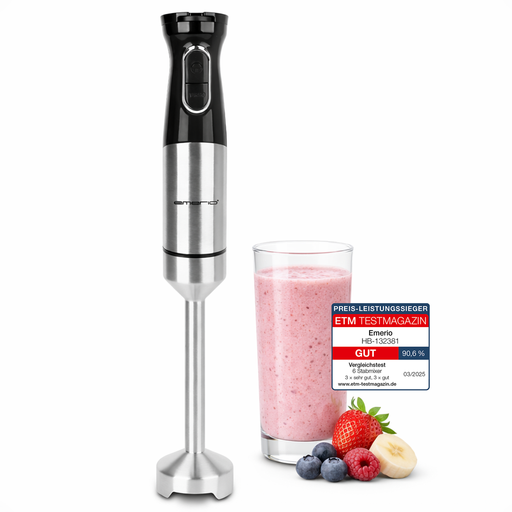 Image unavailable
Worth comparing if you want to adjust the speed while blending; the product name lists 1000 W and variable speed.
Allow the motor to cool between uses and don’t run the appliance continuously for long periods.
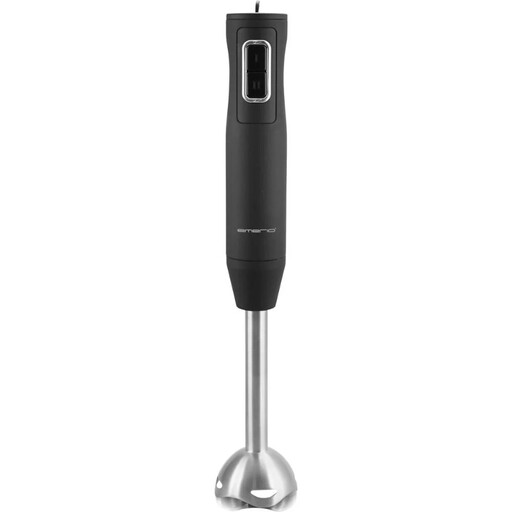 Image unavailable
A model worth comparing if you want to blend soup. Check the settings, cord length and cleaning instructions for the exact version.
 Image unavailable
Worth comparing for blending soup; check the design of the blending foot and the instructions for use with hot ingredients.
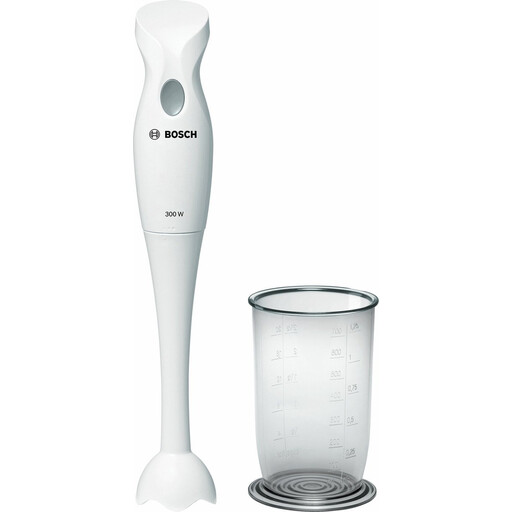 Image unavailable
A stick blender worth comparing if you want to blend soup in the pan. Check the dimensions and the full set to work out how much space you’ll need.
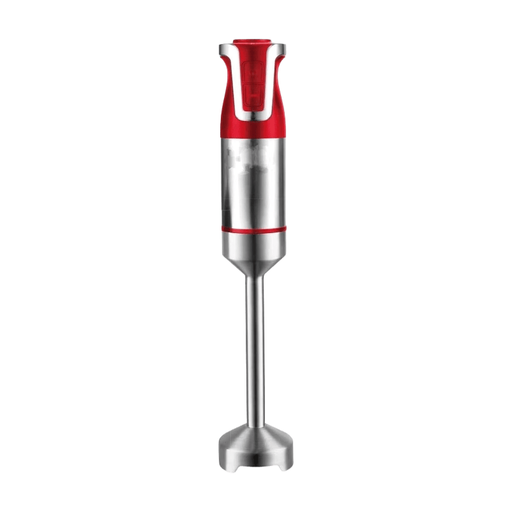 Image unavailable
Worth comparing if you want to adjust the speed while blending; the product name lists 20 speeds and a turbo function.
A stick blender is a sensible choice if you want to blend soup directly in the pan. A jug blender may suit larger quantities of liquid and give you a smooth result, but it generally takes up more worktop space.
The Consumentenbond advises letting hot ingredients cool slightly first and placing the blending foot in the pan before switching it on. Check the instructions for the exact model too, as there may be restrictions on using it with hot ingredients.
Check the instructions for the exact model and part, as cleaning guidance may vary between components. Unplug the appliance before detaching or cleaning any parts.
If you buy a product in the Netherlands, you’re entitled to a product that is fit for purpose, and the retailer is your point of contact for a solution. According to the Rijksoverheid, there is no fixed statutory two-year warranty period in the Netherlands; what you can expect from a product depends, among other things, on the product itself and the information provided.
Yes. CE marking is mandatory for a mains-powered stick blender covered by the applicable rules for electrical products. The Netherlands Food and Consumer Product Safety Authority lists kitchen appliances as electrical equipment. The marking is a declaration by the manufacturer; it doesn’t confirm that a specific model has been independently checked.