
The small-pan cook
You already cook white bean soup on the hob and want to blend a small amount straight in the pan, without washing up an extra jug. The Dutch Consumers' Association describes a stick blender as handy for blending in the pan.


For one small pan of cooked white bean soup, a stick blender is usually the most practical choice: you can blend it straight in the pan without having to wash up a separate jug. A jug blender may suit you better if a very smooth texture matters more than the extra washing up, but check that your chosen model is suitable for hot contents. A soup maker is most worthwhile if you also want to automate the cooking and your portion fits within its fill markings.
You already cook white bean soup on the hob and want to blend a small amount straight in the pan, without washing up an extra jug. The Dutch Consumers' Association describes a stick blender as handy for blending in the pan.
You mainly want a very smooth soup and are happy to transfer it, do extra washing up and make room for another appliance. For hot soup, check the instructions for your chosen model’s jug first.
You want an appliance to cook the soup as well as blend it. You make portions that fit within the minimum and maximum markings.
Choose this if: you cook the ingredients in a pan and want to blend small amounts straight in it.
Bear in mind: you may get a different level of smoothness to a jug blender; a higher wattage alone doesn’t guarantee smoother soup.
Choose this if: a smooth texture matters more than keeping washing up to a minimum, and you also make other liquid mixtures.
Bear in mind: the jug takes up space and is less convenient for small portions; for hot soup, follow the instructions on heat, the lid and steam release.
Choose this if: you want your soup to cook and blend automatically, starting with the ingredients.
Bear in mind: your portion must fit within the markings; the stated jug capacity alone doesn’t tell you whether it’s suitable for a small batch.
| What to consider | What should you look for? | Who should prioritise this? |
|---|---|---|
| Blending straight in the pan | Check whether the blending foot is removable and how the parts can be cleaned. | I want to blend a small portion without pouring the soup into another container or washing up an extra jug. Around 36% of consumers prioritise blending straight in the pan. |
| A smooth texture | Weigh up your preference for a smooth result against the extra space and washing up; for hot soup, check the instructions for your specific model’s jug. | I’d rather do a bit more washing up than compromise on texture, as I want as few lumps as possible. Around 29% of consumers give very smooth soup top priority. |
| Cooking and blending | Compare the quantity in your recipe with the minimum and maximum markings on the exact model. | I want to leave the cooking to the appliance too, as long as my usual portion fits within the fill markings. Around 21% of consumers prioritise automatic cooking and blending. |
| Cleaning and storage | Check which parts are removable or dishwasher-safe, and whether you’ll really use any extra accessories. | I want to clean and store as few parts as possible after making a small batch. Around 14% of consumers care most about easy cleaning and having fewer extra appliance parts. |
A jug blender may be less convenient for small amounts. With a soup maker, the minimum and maximum markings determine which batch sizes are suitable according to the instructions.
Before choosing, compare the quantity in your recipe with the markings and instructions for the exact appliance.
If a batch doesn’t fit within the markings, you may end up making more soup than you need and having to store the leftovers.
Not every jug is suitable for hot soup. Instructions on the lid, steam release and starting speed also vary by model.
Check that the jug is suitable for hot contents and follow the instructions for your specific model. Where possible, let the ingredients cool a little first. The Dutch Consumers' Association recommends a heat-resistant jug for soup; KitchenAid advises starting its blenders on a low speed.
You don’t need a chopper or whisk to blend cooked soup with a stick blender’s foot.
Choose accessories based on other dishes you actually make, and check which parts are included with the exact version.
Extra parts take up storage space and need cleaning after use.
Bosch offers stick blenders for blending straight in the pan, as well as VitaPower jug blenders for those who prefer to use a jug.
MultiQuick stick blenders are also available in versions with accessories for other food preparation tasks.
Philips offers stick blenders for blending and SoupMakers for those looking for automatic cooking programmes too.
Quickchef+ stick blenders are aimed at buyers who want to use accessories as well as blend.
Jug blenders are an option for liquid recipes where texture is the priority.
These Joybuy products are designed for blending soup with a stick blender or jug blender. For hot contents, always check the product instructions and any usage limits for the exact model.
 No image available
For anyone who wants to blend soup with a stick blender and also use a whisk or chopper.
Max. 1200 W and 15,000 rpm; 700 ml measuring beaker, 500 ml chopper and whisk. According to the product description, use continuously for a maximum of 1 minute, then leave to rest for 1 minute.
 No image available
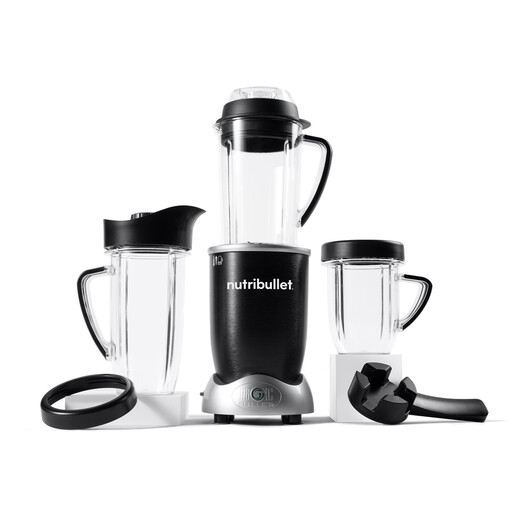
For anyone who wants to make soup in a jug blender and blend both hot and cold ingredients.
1700 W. The product description lists a soup setting and a 1 litre jug with a two-piece vented lid for hot ingredients; follow the instructions for your intended use.
 No image available
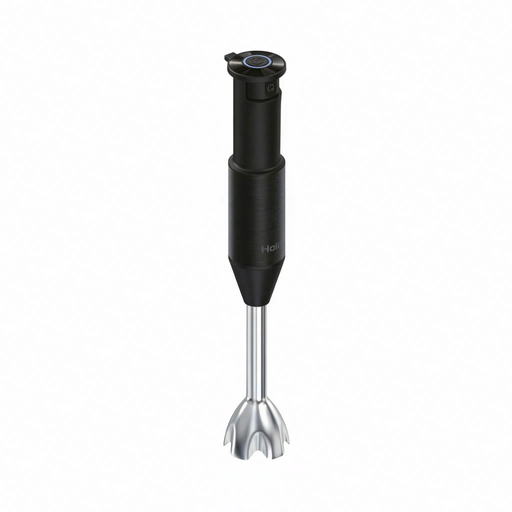
For anyone who wants to blend soup with a stick blender and clean the detachable parts after use.
800 W; according to the product description, it has 20 speed settings, a turbo function and removable, dishwasher-safe parts.
 No image available
For anyone who wants to blend soup with a hand blender and would like a 0.9 litre beaker included in the set.
Three blades and a 0.9 litre beaker. According to the product description, the removable parts can be cleaned with warm soapy water.
 No image available
For anyone who wants to use a whisk and chopper as well as blend soup.
600 W, two speed settings, a 500 ml chopper bowl and an 800 ml measuring beaker.
A stick blender is handy if you want to blend the soup straight in the pan. The Dutch Consumers' Association describes it as suitable for small portions; cook firm ingredients thoroughly first, then check whether the texture is to your liking.
No, don’t assume you can. Check whether the jug on your exact model is suitable for hot soup and follow the instructions on the lid, venting and starting speed. The Dutch Consumers' Association recommends a heat-resistant jug for soup; KitchenAid provides additional instructions on steam release for its blenders.
Only if the quantity falls between the minimum and maximum markings on your chosen model. Philips recommends keeping the amount between these markings when using its SoupMaker; compare them with the quantity in your recipe.
Not for blending cooked soup with the stick blender’s foot. Only choose these accessories if you also want to use them for other recipes, and check which parts are included with the exact version.
Cool leftovers promptly and put them in the fridge, covered, within two hours of cooking. The Netherlands Nutrition Centre recommends keeping leftovers refrigerated for no more than two days, or freezing them.