
Vandaag of morgen in huis

Kwaliteit gegarandeerd

Welkomstaanbiedingen ontgrendelen: GRATIS bezorging | Tot 80% korting | Gratis 30 dagen JoyPlus-proefperiode
Download de app
A good steam iron can make the difference between quickly smoothing out a shirt and spending ages going over the same creases. Even so, comparing models fairly can be difficult. Manufacturers use different measuring methods for steam boosts, water tanks and ironing time. A higher wattage also does not automatically mean that an iron is more pleasant to use.
The most common buying mistakes are:
Continuous steam output is usually shown in grams per minute. A figure of 40 to 50 g/min is suitable for many household tasks involving shirts, cotton and bed linen. A steam boost of 120 to 250 grams is designed for stubborn creases or thicker fabrics.
A steam iron with vertical steaming can be used on clothes hanging on a hanger or on curtains. It does not always replace a full ironing session, but it is handy for quick freshening-up. A steam generator usually offers a larger water tank and a higher continuous steam output.
A tank of 200 to 300 ml keeps the appliance compact, but it may need refilling more often when ironing large amounts of laundry. If you regularly iron bed linen, curtains or clothes for several family members, it may be better to look for an iron with a large water tank or a steam generator with a 1 to 2-litre tank.
A transparent tank makes it easier to check the water level. A wide filling opening helps prevent spills. Always follow the instructions for the type of water to use; recommendations vary by model and by the hardness of the water in your area.
A ceramic soleplate is often mentioned in product information because it glides smoothly and is easy to clean. Also check whether the soleplate has a precision tip for collars, seams and the areas around buttons.
An anti-drip iron can help reduce water droplets at lower temperatures. According to the product description, a self-cleaning iron flushes limescale and dirt particles from the internal system. This does not mean that maintenance is no longer necessary: empty the tank after use and descale the iron according to the instructions.
The right choice mainly depends on the amount of laundry you have, the storage space available and your preferred controls. The recommendations below are based on the listed product specifications and functions. Brand claims about faster ironing or protecting fabrics have not been treated as guaranteed results.
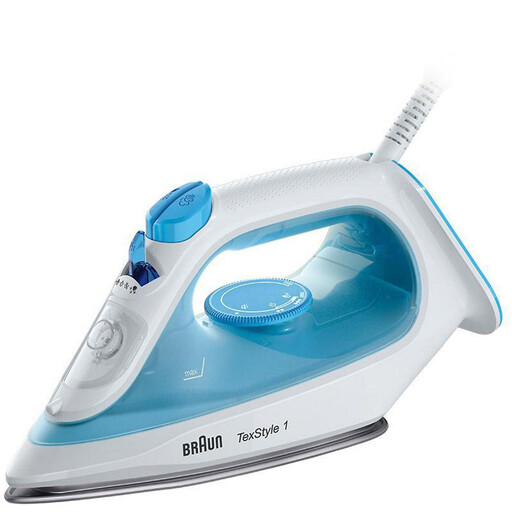
Why it suits this profile: This compact model is suitable for smaller households and users who mainly iron shirts, trousers and lightweight fabrics.
The listed product information mentions an anti-drip system and a self-cleaning function. The model also has clear manual temperature selection.
2.000 watts, 25 g/min continuous steam, a 120 g steam boost and a 220 ml tank. According to the product specifications, the model is ready to use after approximately 35 seconds.

Why it suits this profile: A suitable option for anyone looking for a powerful iron with comprehensive limescale management and generous steam output.
The product description mentions a Micro-Calc filter and an alert when maintenance is required. This makes limescale management more visible than with models without a maintenance indicator.
3.200 watts, up to 60 g/min variable steam, a 250 g steam boost, a 350 ml tank and automatic switch-off according to the listed specifications.
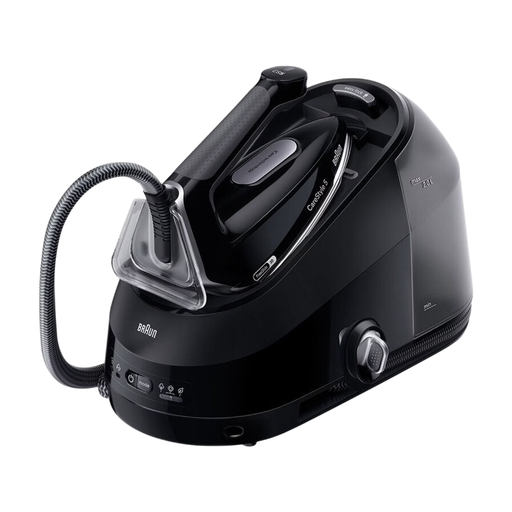
Why it suits this profile: This steam generator is designed for large amounts of laundry, bed linen and intensive ironing sessions where frequent refilling would be inconvenient.
According to the product information, the model has a removable 2-litre tank, continuous refilling, anti-drip protection and automatic switch-off.
2.400 watts, up to 150 g/min continuous steam and a stated steam boost of 510 g. Vertical steaming and an automatic temperature mode are also included in the product specifications.
We have put together a complete, up-to-date list of products that fully meet these strict selection criteria and the applicable European safety regulations.
A steam generator is not automatically the right choice for every user. It takes up more space, but usually has a 1 to 2-litre tank and higher continuous steam output. This can be practical if you get through several laundry baskets a week. If you mainly iron a few shirts, a compact steam iron will often be sufficient.
Empty the water tank after use and follow the manufacturer’s descaling instructions. When buying, look for an anti-scale system, calc stick or self-cleaning function. Only use the type of water permitted in the instructions. According to the product description, a filter function reduces the amount of limescale residue, but it does not eliminate the need for regular maintenance.
Consumption depends on the wattage, heating time and total ironing time. A 2.400-watt model uses more power while heating up than a lower-wattage model, but a faster session can limit overall consumption. According to the manufacturer, an eco mode may reduce energy use. So do not compare wattage alone; also consider the settings, usage time and amount of laundry.
