
Vandaag of morgen in huis

Kwaliteit gegarandeerd

Welkomstaanbiedingen ontgrendelen: GRATIS bezorging | Tot 80% korting | Gratis 30 dagen JoyPlus-proefperiode
Download de app
Buying a steam iron seems straightforward—until you have to choose between a compact model, a steam generator or a garment steamer. A busy household has different requirements from someone who only refreshes a shirt occasionally. Marketing terms can also be misleading: a high wattage does not automatically mean creases will disappear faster.
Focus instead on verifiable specifications such as continuous steam output, steam boost, water tank, soleplate and safety features. Below, you’ll find out which features make a practical difference and which models suit different usage scenarios.
A power rating of 2,400 or 2,800 watts can contribute to a fast heat-up time, but it does not indicate how much steam the appliance produces. For everyday ironing, continuous steam output and the additional steam boost are at least as important.
For example, a standard steam iron may deliver 40 to 50 g/min continuously. A steam generator uses a separate base with a larger tank and can produce considerably more steam, according to the product specifications.
Vertical steaming allows you to treat hanging garments, curtains or a suit jacket. This is convenient for a quick refresh, but it does not always replace ironing on an ironing board. A garment steamer or handheld steamer is particularly suitable for light creases and delicate or difficult-to-iron garments.
If you want crisp folds in shirts, bed linen or tablecloths, a traditional steam iron or steam generator will generally be the better choice.
A compact iron is easy to store, but a 150 to 220 ml tank needs to be refilled more frequently. That is not an issue when ironing a few garments, but it can become frustrating when working through a full laundry basket.
Also check whether the tank is removable and whether the manual permits filling it under the tap. In areas with hard water, a self-cleaning iron, anti-scale system or filter is worth considering. Maintenance frequency depends on water hardness and usage.
Continuous steam output is generally stated in grams per minute (g/min). This is the amount of steam available during normal ironing. A higher figure can be useful when working with cotton, linen and multiple layers of fabric.
The steam boost is a short burst of additional steam, for example to tackle stubborn creases or for vertical steaming. Consider both figures: a model with a powerful steam boost but limited continuous output may be less suitable for large amounts of laundry.
A steam iron with a ceramic soleplate generally glides smoothly over different fabrics and is easy to clean, according to the product description. The shape is also important. A precision tip helps when ironing around buttons, collars and seams.
A rounded soleplate can keep moving smoothly around pockets and zips. Also check whether the manufacturer specifies an anti-scale or self-cleaning function. This supports easier maintenance, but it does not eliminate the need to empty, clean and descale the appliance regularly.
For regular ironing, a tank of around 300 to 350 ml is practical. For larger households, an iron with a large water tank or a steam generator with a 1.3 to 2 litre capacity can reduce interruptions.
Also look for:
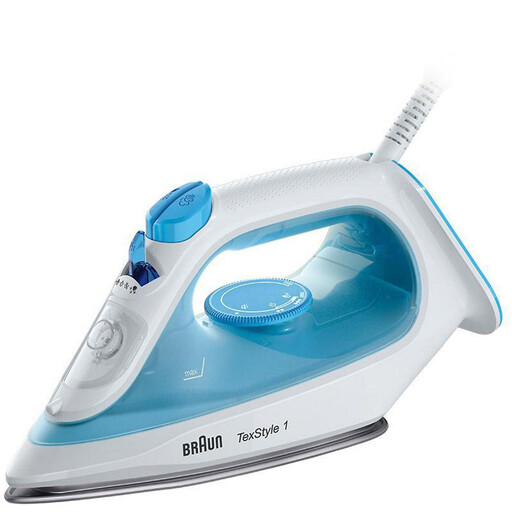
Why This Fits Their Persona: A practical choice for smaller households and users who iron just a few garments at a time.
The model combines 2,000 watts with a stated heat-up time of 35 seconds and includes anti-drip and self-cleaning functions.
220 ml tank, 25 g/min continuous steam and a steam boost of up to 120 g/min.
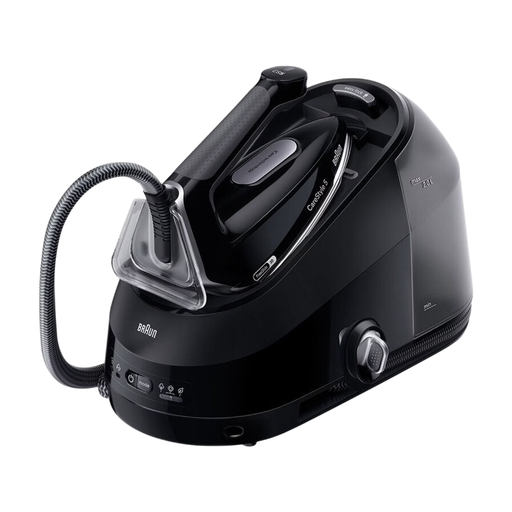
Why This Fits Their Persona: Well suited to families who regularly process large quantities of shirts, trousers, bed linen or towels.
The 2-litre tank limits the number of breaks. The product specifications also list anti-drip protection, vertical steaming and automatic shut-off.
Steam output of up to 150 g/min, a 510 g steam boost and a stated pressure of 7.5 bar.
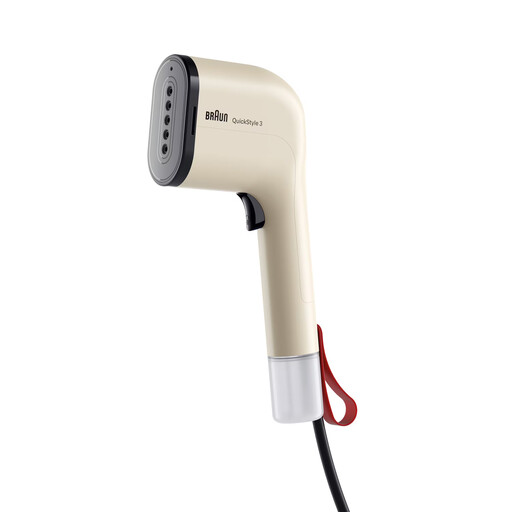
Why This Fits Their Persona: Convenient for professionals who want to refresh a shirt, dress or jacket before leaving without using an ironing board.
This is not a large iron with a small tank, but a compact handheld steamer designed specifically for this purpose.
30-second heat-up time, steam output of up to 20 g/min and a 70 ml tank.

Why This Fits Their Persona: Suitable for users who regularly iron thick fabrics and large quantities of laundry.
The stated steam output and 2-litre tank clearly indicate that this is a system for more intensive use, rather than simply a compact model.
Continuous steam of up to 190 g/min, vertical steaming and a FreeGlide 3D soleplate according to the product information.
Browse the current range of models that match these selection criteria, including steam power, tank capacity, maintenance and safety.
Always use the temperature indicated on the care label. Never direct hot steam at your hands, other people, animals or electrical appliances. Only fill or empty the tank after unplugging the appliance and allowing it to cool sufficiently.
After use, empty the water tank if instructed to do so in the manual. Only clean the soleplate when it is cold. An anti-scale function reduces maintenance, but check the instructions regarding tap water, demineralised water and descaling. Most of the models mentioned list a statutory or manufacturer’s warranty of at least two years; check the current terms and conditions on the product page.
That depends on usage, ironing speed and energy settings. A steam generator often has a larger tank and higher steam output, but it also uses electricity to power the base. For a few garments, a standard steam iron is usually more practical; for large amounts of laundry, a steam generator can save time.
Its service life depends on water hardness, maintenance, frequency of use and storage. Regular descaling according to the manual, emptying the tank and keeping the soleplate clean help keep the steam vents and coating in good condition.
A garment steamer is suitable for quick touch-ups, hanging garments and fabrics that are difficult to place on an ironing board. For crisp collars, cuffs, seams and bed linen, a traditional steam iron generally offers greater control.
