
Vandaag of morgen in huis

Kwaliteit gegarandeerd

Welkomstaanbiedingen ontgrendelen: GRATIS bezorging | Tot 80% korting | Gratis 30 dagen JoyPlus-proefperiode
Download de app
A steamer pot seems like a simple purchase, until you notice your new pot warping, developing rust spots, or failing to work on your induction hob after just a few months. Many pots look great in the store but conceal design flaws that only become apparent in the kitchen. As a Joybuy Product Recommendation Officer, I'll help you see through the marketing jargon and choose a pot that truly fits your cooking style.
Before you make a decision, it's wise to know the most common pitfalls:
steamer pot that doesn't work on induction. Pots without a magnetic, flat base won't make contact with the hob, rendering them unusable in many modern kitchens.stackable steamer pot is a missed opportunity for efficient cooking.To avoid a bad purchase, focus on a few objective specifications. These determine the durability and ease of use of your steamer pot.
The material is the foundation of a good pot. A stainless steel steamer pot is a popular choice, but pay close attention to the quality.
More and more households are switching to induction cooking. An induction steamer pot must have a base that is magnetic and completely flat. A thicker, layered base (often an 'encapsulated base' with an aluminium core) also ensures better and more even heat distribution. This prevents parts of the pot from getting too hot while others remain cold.
A stackable steamer pot with multiple inserts is ideal for preparing a complete meal all at once. For example, you can cook potatoes or rice in the bottom pot while using a pot for steaming vegetables and fish above it. This not only saves time and energy but also ensures that flavours and nutrients are well-preserved. Pay attention to the height and diameter of the tiers to ensure there is enough space for your dishes.
Based on these criteria, we have selected a number of products that suit different user profiles.
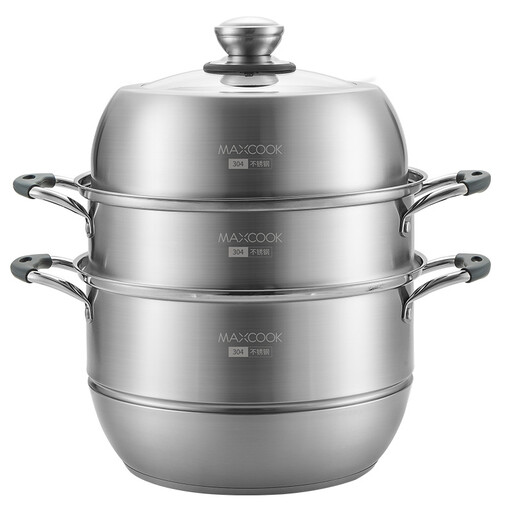
Why This Fits Their Persona: Ideal for families who want to put a complete, healthy meal on the table without using multiple pots. The large 30 cm diameter and three tiers provide enough space for vegetables, fish, and potatoes at the same time.
This pot is made of durable 304 SS and has a composite base suitable for all heat sources, including induction. The stackable design is the definition of efficiency.
Three spacious tiers for maximum cooking flexibility. The silicone handles provide a safe and comfortable grip, even when the pot is hot.

Why This Fits Their Persona: For those who value superior materials, for example when preparing baby food or delicate sauces. This compact milk pot with a steamer insert combines functionality with high-quality materials.
The interior is made of 316 SS, which offers superior corrosion resistance compared to standard stainless steel. This prevents degradation from acids and guarantees a long lifespan.
Superior 316 SS interior for maximum durability and food safety. The silicone handle and lid rim provide extra safety and comfort.
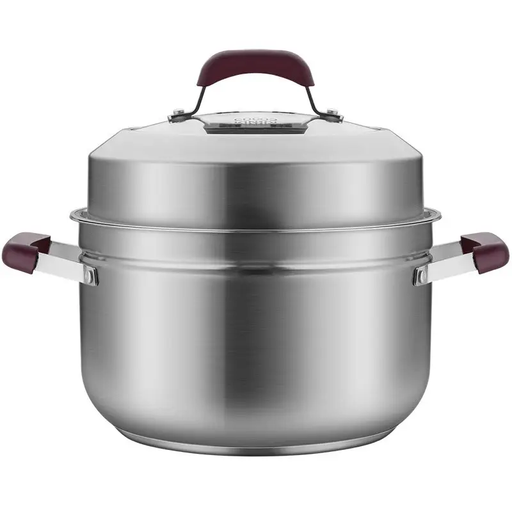
Why This Fits Their Persona: A versatile all-in-one pot for those new to steaming or cooking for one or two people. It functions as a stockpot, pasta pot, and steamer, saving space in the kitchen cabinets.
This pot is made of food-safe 304 SS and is suitable for all heat sources, including induction. No risk of an unusable pot after purchase.
Multifunctional design for steaming, boiling, and simmering. The glass lid makes it easy to monitor the cooking process without losing heat.
We have compiled a complete, up-to-date list of products that fully meet these strict selection criteria and UK safety regulations.
The simplest test is with a magnet. If a magnet sticks to the bottom of the pot, the base is magnetic and therefore suitable for induction. Always check the product description as well, where compatibility with heat sources should be listed.
Both are good, food-safe materials. 304 SS is the most common, durable choice for everyday cookware. 316 SS contains extra molybdenum, which makes it even more resistant to corrosion from salt and acids. This makes it a premium option for those seeking the highest durability or who often cook with acidic ingredients.
This is a common problem, especially with delicate items like dumplings or fish. You can lightly grease the baskets with oil or use a piece of parchment paper. Another practical solution is to use reusable silicone steamer liners. These are specially designed with perforations to let the steam through and prevent food from sticking.
