What should you look for when choosing?
Standard steam iron
Suitable if: you have limited storage space and want to apply pressure horizontally for crisp waistcoat fronts and seams.
Trade-off: the water tank is built into the iron, so check how it feels in your hand and how often you’ll need to refill it.
Garment steamer or compact 2-in-1 steamer
Suitable if: hanging clothes up and freshening them quickly matter more to you than crisp, pressed fronts. According to Philips, the Philips OneTurn GC215/20 can both iron horizontally and steam vertically.
Trade-off: vertical steaming doesn’t apply the same contact pressure as horizontal pressing. If you’re considering a 2-in-1 model, check that it actually supports horizontal ironing.
Steam generator
Suitable if: you regularly have a lot of ironing to do besides waistcoats and want to refill less often.
Trade-off: the separate tank and the system as a whole take up more storage space; also check that your ironing area is suitable.
The Consumers’ Association (Consumentenbond) cites limited storage space as a reason to consider a standard steam iron. GINETEX recommends matching the ironing treatment to the garment’s symbol; this also applies when the outer fabric is cotton.
| What to consider |
What should you check? |
Who is this important for? |
| Storage in a small laundry area |
Measure your storage space and the area available for a safe ironing surface. |
I want to be able to put away the appliance and ironing surface after use. Around 36% of consumers prioritise storage space. |
| Pressing neatly around seams and buttons |
Check the shape of the soleplate tip and whether the steam output is adjustable. |
I want to finish seams and fronts neatly without constantly catching on buttons or pockets. Around 29% of consumers give precise pressing top priority. |
| Protecting the fabric and finish |
Follow the waistcoat’s ironing symbol and check that you can adjust the temperature and steam accordingly. |
I want to care for my waistcoat according to its label, even if the lining or finish differs from the outer fabric. Around 21% of consumers prioritise garment care. |
| Getting through a large pile of ironing |
Compare the tank and the overall size of the appliance with the space and ironing surface available. |
I want to take fewer breaks to refill during a longer ironing session. Around 14% of consumers give longer sessions top priority. |
Products to consider on Joybuy
The products below include handheld steam irons, standard steam irons and 2-in-1 models to compare for a small laundry area.
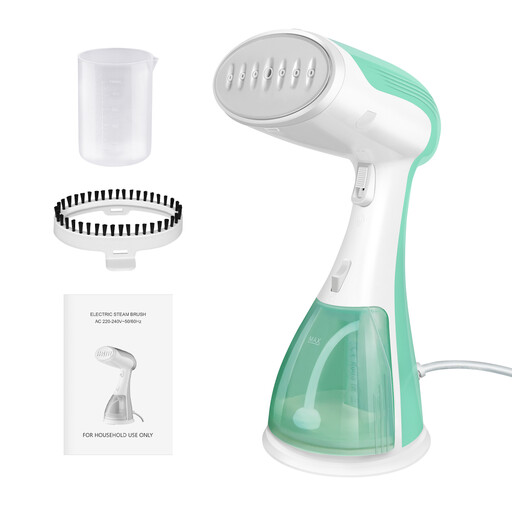 No image available
Portable handheld steam iron, 1500 W
An option if you’re looking for a portable handheld steam iron; check the product information for the suitable method and surface for horizontal pressing.
1500 W; the product name states a 25-second heat-up time.
Joybuy
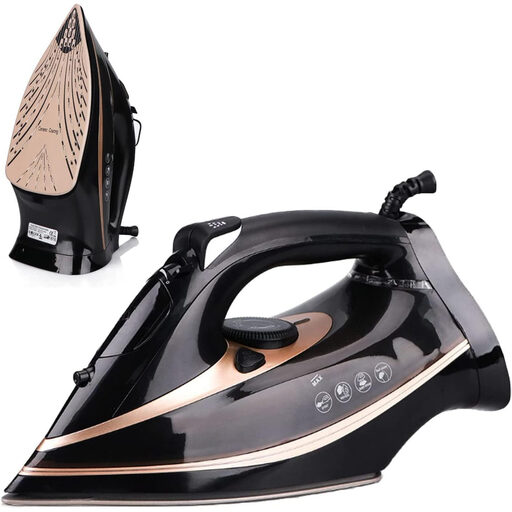 No image available
2600 W steam iron with ceramic soleplate
An option if you’re looking for a standard steam iron for horizontal ironing; follow the garment care label when ironing a waistcoat.
The product name lists 70 g/min steam, a 120 g steam boost and a 300 ml tank.
Joybuy
 No image available
2400 W handheld steam iron with non-stick soleplate
An option if you’re looking for a handheld steam iron; check which temperature and method are suitable for your waistcoat’s ironing symbol.
2400 W; the product name lists a non-stick soleplate, automatic cleaning and an anti-drip system.
Joybuy
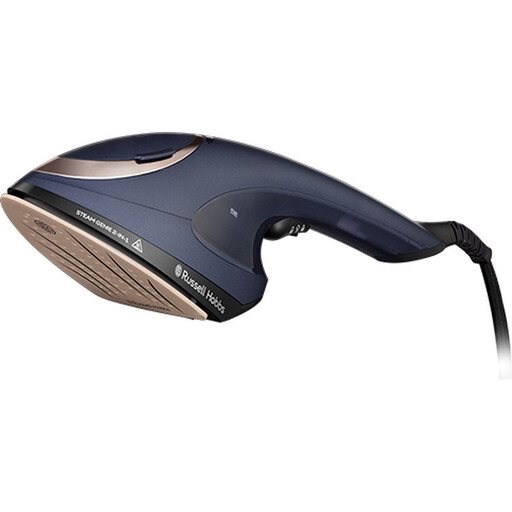 No image available
Russell Hobbs Steam Genie 2in1 (28370-56)
A 2-in-1 model to consider if you want to combine ironing and steaming; check the product information to see whether it’s suitable for the way you plan to treat your waistcoat.
Joybuy
 No image available
Xiaomi handheld steam iron BHR9034EU, Dual Voltage
An option if you’re looking for a handheld steam iron; before buying, check that the stated voltage specification is suitable for your needs.
The product name lists Dual Voltage and model BHR9034EU.
Joybuy
Frequently asked questions
Can I press every cotton waistcoat using the cotton setting?
No. Follow the ironing symbol for the whole garment, not just the name of the fibre. GINETEX lists a symbol for a maximum of 110 °C without steam, so also check whether steam is permitted for your waistcoat.
Do I need an ironing board for a garment steamer or hybrid appliance?
You don’t need an ironing board when using a garment steamer vertically on a hanging garment. If you want to press horizontally, check that the hybrid model supports this and which surface the manufacturer recommends; Philips lists a Soft Ironing Board for the OneTurn GC215/20.
How can I keep my iron in good working order if I use steam regularly?
Follow the descaling instructions for your specific model. The Consumers’ Association (Consumentenbond) advises emptying the tank after use and recommends checking the manual for how often to carry out maintenance. Don’t use a different method unless instructed to do so.
Am I automatically entitled to only a two-year legal guarantee in the Netherlands?
No, there is no fixed legal guarantee period in the Netherlands. The Dutch government says that a product should last for as long as you can reasonably expect; if something goes wrong, contact the seller. Any manufacturer’s guarantee is separate.
What product safety requirements apply to an electric iron in the Netherlands?
Electrical equipment must meet the applicable European safety requirements. According to Ondernemersplein, the Dutch government’s business information portal, once the applicable requirements have been assessed, the manufacturer must affix the CE mark and draw up an EU declaration of conformity. If necessary, ask for the product documentation for a specific model; a brand name alone doesn’t confirm that the requirements have been met.


