
If you iron a few shirts
You want your cotton shirts to look smart without having to dedicate much space or preparation to an appliance.


If you usually iron one or a few cotton shirts and storage space is limited, a compact steam iron is generally a better fit. If you and your housemates regularly iron large piles of laundry, it’s also worth comparing a steam generator. The Consumentenbond points out that cotton can be harder to iron smooth than lightweight synthetic fabrics: a quoted steam output on its own is no guarantee of better results on cotton. So also consider adjustable steam, maintenance, the space available and the safety features of the exact model.
You want your cotton shirts to look smart without having to dedicate much space or preparation to an appliance.
You share living and storage space, and want an ironing solution that’s easy to put away after use.
You regularly iron several items in a row and may want to refill the water less often.
A good fit if: you usually iron one or a few shirts, or have limited storage space.
Bear in mind: the water is held in the iron itself, so you may need to refill it sooner during a longer ironing session.
A good fit if: you and your housemates often iron a large pile of laundry and have room for the base unit.
Bear in mind: the base unit takes up more space, and your ironing board needs to be suitable for it.
The Consumentenbond describes cotton as harder to iron smooth than lightweight synthetic fabrics. So, where possible, compare results on cotton and check whether you can adjust the steam.
| What to consider | What should you check? | Who should pay particular attention? |
|---|---|---|
| Getting cotton smooth | Where possible, look for test results on cotton and check whether the steam is adjustable. Follow the shirt’s care instructions. | If I want to get cotton shirts smooth, I look beyond the quoted steam output alone. Around 36% of consumers prioritise results on cotton. |
| Storage and ironing space | Measure the available storage space and check whether your ironing board is large and sturdy enough for a generator. | If I share living and storage space, I want to know whether the appliance and any base unit will fit after use. Around 29% of consumers prioritise compact storage. |
| Safe shared use | Check the automatic shut-off feature on the exact model and agree on how to switch it off and let it cool down. The Dutch Fire Service advises against connecting extension leads together or overloading a multi-socket adaptor. | If several housemates use the appliance, I want clear ground rules and a suitable shut-off function. Around 21% of consumers prioritise safe shared use. |
| Longer ironing sessions | Work out how often you really iron larger piles, then compare tank capacity, the ironing board required and the recommended maintenance. | If we often iron several items in a row, I want fewer interruptions to refill the water. Around 14% of consumers prioritise long ironing sessions. |
A quoted steam output isn’t a test result for cotton. Too much steam can also leave the fabric wet.
Where available, compare ironing tests on cotton and check whether you can adjust the steam output.
A generator takes up more space than a steam iron. Your ironing board also needs to be suitable for the setup.
Measure the available storage space and check your ironing board before choosing a model.
You may also need a suitable, sturdy ironing board for a generator.
The function and shut-off time vary by model. The Dutch Fire Service also warns student households against overloading multi-socket adaptors and connecting extension leads together.
Check the function on the exact model, and agree who will switch the appliance off and let it cool down safely.
If you’re deciding between a compact setup and longer ironing sessions, compare a 5000 Series iron with a PerfectCare steam generator.
The TexStyle 3 SI 3054 is an iron worth comparing if automatic shut-off matters to you; the CareStyle 3 IS 3255 is a generator designed for longer sessions.
The Puregliss FV8042E0 is worth considering if descaling and automatic shut-off are important to you.
Rowenta has an official parts finder for several models, including models in the Focus range.
These steam irons are options to compare for cotton shirts and use in shared accommodation. A quoted steam function or steam output isn’t a test result on cotton.
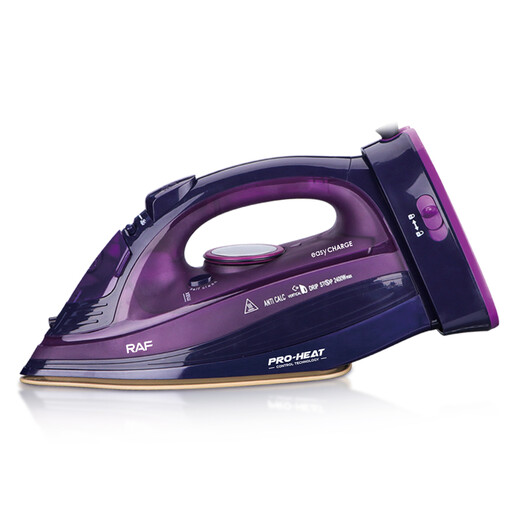 No image available
Could suit you if you’re looking for a cordless steam iron; remember to allow space for the charging base.
2400 W; 320 ml water tank; steam output of 15–25 g/min; ceramic soleplate; self-cleaning.
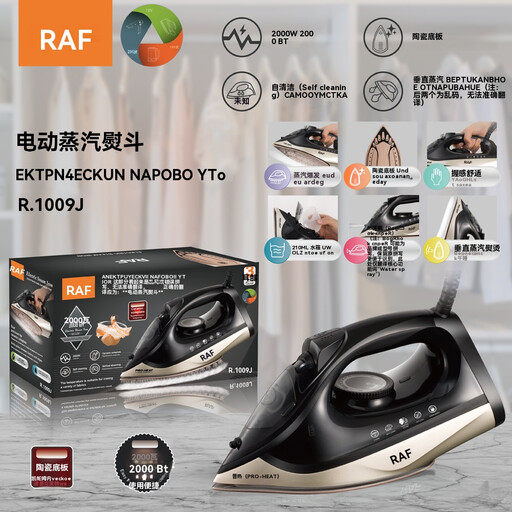 No image available
Could suit you if you want to compare variable steam and vertical steam as well as standard steaming.
2000 W; ceramic soleplate; 210 ml water tank; variable steam, steam boost, vertical steam and self-cleaning.
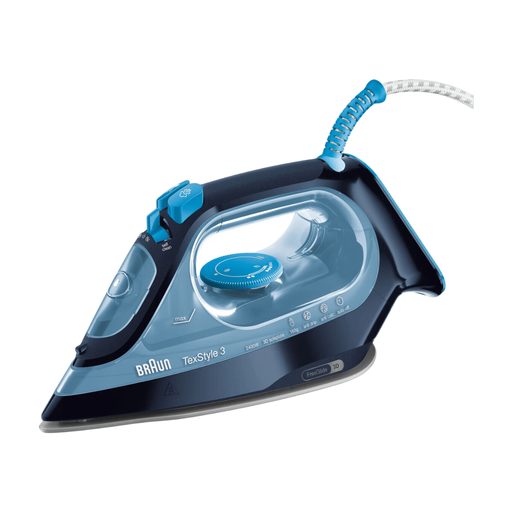 No image available
Could suit you if you want to compare automatic shut-off for shared use and a precision tip for areas such as collars.
The product description lists anti-scale protection, an anti-drip system and automatic shut-off after 8 minutes upright or 30 seconds horizontally.
 No image available
Could suit you if you want to include a 300 ml tank and automatic shut-off in your comparison.
The product description lists continuous steam output of 50 g/min, a precision tip, self-cleaning and automatic shut-off after 8 minutes upright or 30 seconds horizontally.
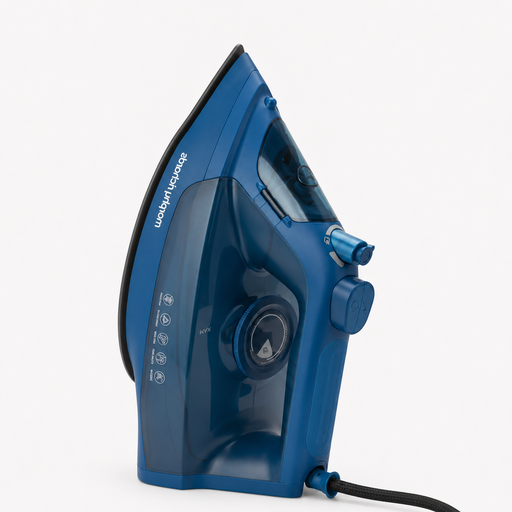 No image available
Could suit you if you want to compare variable steam settings and maintenance features; the listed steam functions alone don’t indicate how well it irons cotton.
2800 W; ceramic soleplate; 350 ml tank; variable steam and steam boost; anti-scale protection, self-cleaning and automatic shut-off.
Check the care instructions first, as a shirt may contain fibres other than cotton or have delicate details. The Consumentenbond advises adjusting the temperature and steam to suit the fabric, then ironing without steam to dry it after steaming.
Make a note of the descaling method for the exact model so that everyone follows the same instructions. Philips describes different procedures for different models; don’t automatically apply them to other brands or to a steam generator.
No. According to the Dutch government, statutory consumer rights apply alongside any manufacturer’s warranty: you’re entitled to a product that works properly, and there’s no fixed statutory warranty period in the Netherlands. If something goes wrong, contact the retailer; what you could reasonably expect from the product and how it has been used will both be taken into account.
For a standard online purchase by a consumer, ACM ConsuWijzer says you generally have a statutory 14-day cooling-off period from the date of delivery. Before using the iron, check the rules for trying it out and returning it, as well as any exceptions; a retailer’s more generous returns policy is separate from this.