
Vandaag of morgen in huis

Kwaliteit gegarandeerd

Welkomstaanbiedingen ontgrendelen: GRATIS bezorging | Tot 80% korting | Gratis 30 dagen JoyPlus-proefperiode
Download de app
A steam iron can make light work of a pile of shirts, bedding and curtains. But it’s not a good idea to focus only on the wattage or an impressive-looking steam shot. A high figure on the packaging doesn’t tell you everything about everyday use.
The main pitfalls are:
For everyday creases, continuous steam output matters. Models for home use, for example, typically offer around 40 to 60 g/min, while a steam generator often lists around 120 to 150 g/min. A steam iron with a powerful steam shot can also provide a temporary boost for thicker fabrics such as denim, linen or several layers of bedding.
Pay attention to the units: some product descriptions give the steam shot in grams per minute, while others simply state grams. So it’s best to compare these figures within the same product category.
A compact steam iron often has a tank of around 200 to 350 ml. That’s suitable for short or regular ironing sessions, but you may need to refill it partway through. A large water tank of 1.3 to 2 litres is better suited to households with lots of laundry.
A steam generator has a separate base with a boiler or pump. The iron itself is often lighter, but the complete set takes up more space. Check the dimensions of the base, the weight and whether it has a transport lock.
According to the product information, an iron with a ceramic soleplate can glide smoothly over different fabrics and is usually easy to clean. Also look for a precision tip for collars and buttons, an anti-drip function and easily accessible steam vents.
An anti-calc system or a self-cleaning iron can make maintenance easier, but won’t eliminate the need for it altogether. Always follow the manual, especially if you live in a hard-water area. Manufacturers may make specific claims about filters or protection; treat these as information from the product description and check the maintenance instructions.
Automatic shut-off is a useful safety feature. The shut-off time varies by model and position. According to its product specifications, the Braun FreeStyle 5 SI5037 switches off after 8 minutes when left upright and after 30 seconds when left horizontally. Even with this feature, you shouldn’t leave a hot iron unattended.
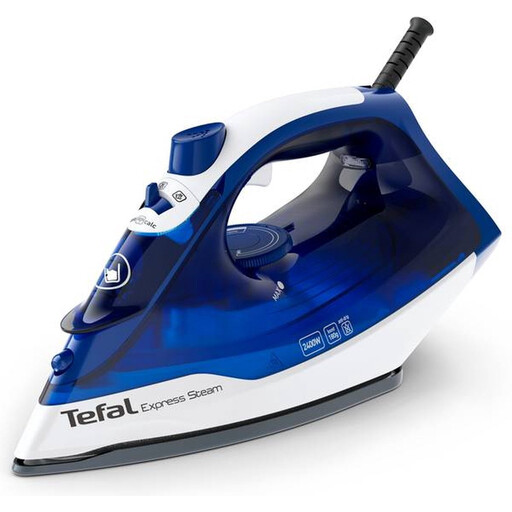
Why it suits this profile: A straightforward model for anyone who regularly irons small to medium loads of clothes and doesn’t want to store a separate base.
The product information lists an anti-drip function, automatic temperature and steam selection, and a 270 ml tank. However, check that you’re happy with the lack of automatic shut-off.
2400 W, ceramic soleplate, vertical steam function and a steam shot of up to 180 g/min according to the product specifications.
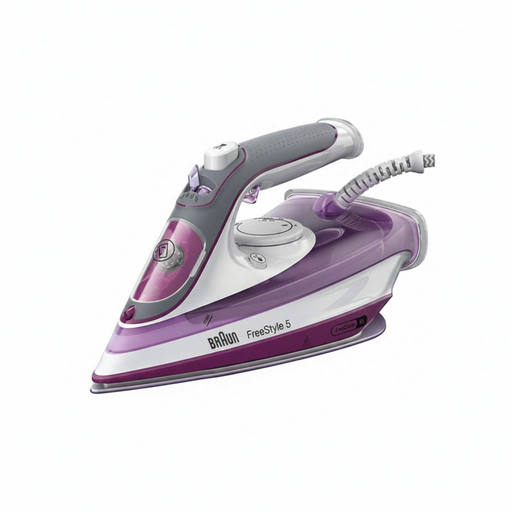
Why it suits this profile: A good choice for households that want a powerful iron without switching to a steam generator.
According to the product information, this model combines self-cleaning, limescale protection when using tap water and automatic shut-off. Check the maintenance steps in the supplied manual.
2600 W, 50 g/min continuous steam, 180 g steam shot, 300 ml tank and a FreeGlide 3D SuperCeramic soleplate.
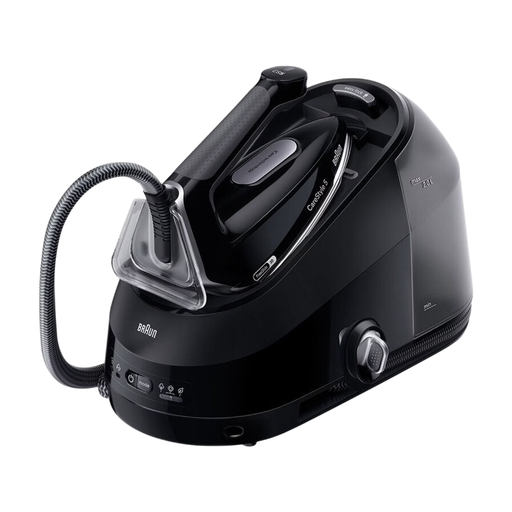
Why it suits this profile: A suitable option for larger households, lots of bedding or several ironing sessions a week.
According to the specifications, the 2-litre tank means fewer interruptions. However, the base takes up more space than a traditional iron.
150 g/min continuous steam, 510 g steam shot, vertical steam, automatic shut-off and a removable 2-litre tank.
We’ve put together a complete, up-to-date list of products that meet these strict selection criteria and the applicable European safety requirements.
It depends on the model, how long you use it for and the setting you choose. A steam generator may work faster when ironing large loads, thanks to its higher continuous steam output, but it often has a higher wattage and a larger base. So compare the power rating, heat-up time and operating time rather than looking only at the energy label or wattage.
There’s no universal interval. How often you need to descale depends on the hardness of your water, how often you iron and the anti-calc system. An indicator, anti-calc cartridge, Calc-Clean function or self-cleaning programme can often help you decide. Always follow the manual, and don’t use vinegar unless the manufacturer specifically allows it.
Its lifespan depends on maintenance, water quality, storage and how often you use it. Empty the tank after use if the manual recommends it, let the soleplate cool down and store the appliance somewhere dry. If there’s a problem, check the cord, water level, limescale build-up and steam setting before using the iron again.
