
Vandaag of morgen in huis

Kwaliteit gegarandeerd

Welkomstaanbiedingen ontgrendelen: GRATIS bezorging | Tot 80% korting | Gratis 30 dagen JoyPlus-proefperiode
Download de app
A steam iron can quickly smooth out a shirt, but not every model suits the same routine. Focusing mainly on wattage or an impressive steam boost can leave you with an appliance that feels heavy, needs frequent refilling or leaves water droplets on clothes. For students, busy professionals, families and travellers, the intended use and verifiable specifications are particularly important.
High wattage mainly tells you how quickly the appliance heats up. It does not, on its own, determine how well creases disappear. Also look at the continuous steam output in grams per minute and the powerful steam boost. For example, a 2,400-watt model may heat up quickly, but its practical performance also depends on the soleplate, temperature control and steam distribution.
A compact iron is convenient in a student room or suitcase, but a 70 to 160 ml reservoir needs refilling more often. That is not a problem for a few shirts, but it is less practical when dealing with a full laundry basket. For longer sessions, models with a capacity of around 270 to 350 ml are more suitable. If you do a lot of ironing, you could consider a steam generator with a 1.3 to 1.7-litre reservoir.
An anti-scale system or self-cleaning function can help with regular use, but it does not replace the maintenance recommended in the manual. In areas with hard tap water, limescale can affect the steam vents. Check which type of water the manufacturer recommends. An anti-drip function is useful too, as it helps prevent water from reaching delicate fabrics at lower temperatures.
For everyday ironing, continuous steam of around 20 to 50 g/min is a useful point of comparison. A higher steam boost is particularly relevant for thick cotton, linen or stubborn creases. Vertical steaming is handy for a coat, dress, curtain or shirt on a hanger, but it does not always replace an ironing board when you need a sharp crease or a smooth trouser leg.
A garment steamer or handheld steamer is mainly designed to quickly remove creases and freshen clothes. It works without an ironing board, but generally applies less pressure to the fabric than a traditional iron.
A ceramic soleplate is often chosen for its smooth gliding performance and relatively easy cleaning. Also pay attention to the shape of the tip. A narrow precision tip helps with collars, seams and the areas around buttons. A rounded soleplate may move more easily over obstacles, but the experience varies from model to model.
Always use the temperature shown on the garment care label. Even a smooth-gliding soleplate can cause damage if the setting is too high.
A short heat-up time is practical for a quick morning ironing session. The product details for the models below list times between 15 and 35 seconds; a steam generator usually takes around two minutes because of its larger base.
Also check:
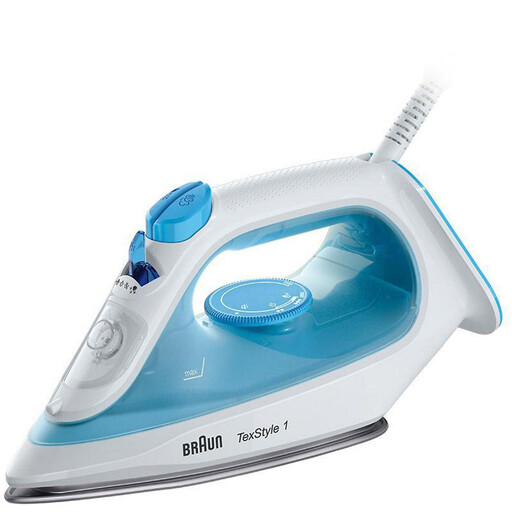
Why it suits this profile: This model combines 2,000 watts, a 220 ml reservoir and a weight of 1 kg. According to the product description, the appliance is ready to use after around 35 seconds at the maximum setting.
The specifications list an anti-drip function and self-cleaning system. This makes the key maintenance and usability features easy to identify.
25 g/min continuous steam, a steam boost of 120 g/min and a precision tip for collars and seams.
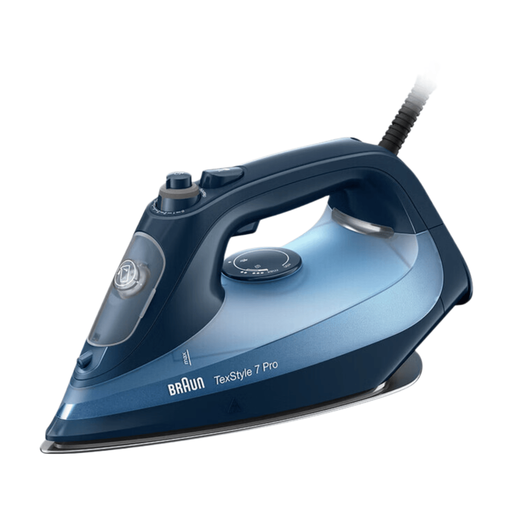
Why it suits this profile: For households with a lot of laundry, 3,100 watts, a 300 ml reservoir and high steam output are tangible advantages.
The product details mention automatic shut-off, anti-drip and self-cleaning functions. This reduces the risk of overlooking safety and maintenance.
50 g/min continuous steam, a steam boost of up to 225 g/min and a soleplate with FreeGlide 3D technology, according to the product description.
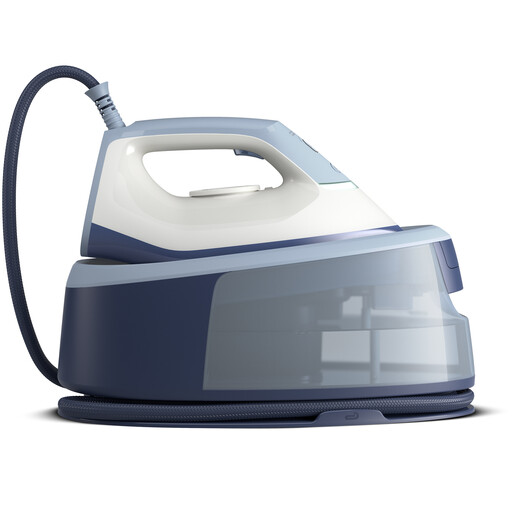
Why it suits this profile: A large household or intensive ironing routine benefits particularly from the 1.4-litre reservoir and continuous steam output of 120 g/min.
The large water tank reduces interruptions during longer sessions. Automatic shut-off and vertical steaming are also listed in the product specifications.
A steam boost of 350 g, ceramic soleplate and a stated heat-up time of around two minutes.
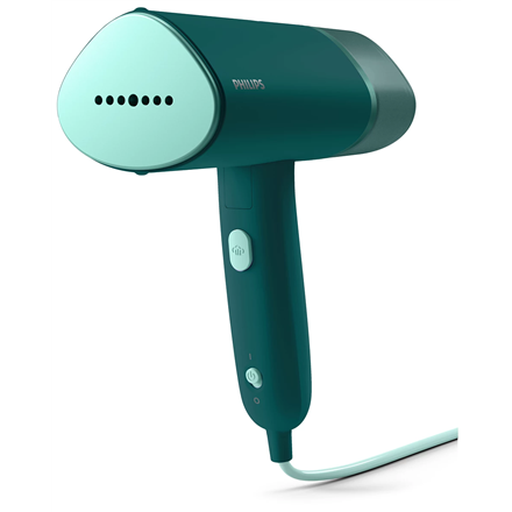
Why it suits this profile: This handheld steamer is foldable, weighs 0.77 kg according to the product details and has a heat-up time of around 30 seconds.
The removable 120 ml reservoir is clearly stated. The included storage pouch makes storage and transport more organised.
20 g/min steam, a compact design and no need for an ironing board when steaming clothes on a hanger.
We have put together a complete, up-to-date list of products that fully meet these strict selection criteria and the applicable European safety regulations.
It depends on the task. A steam iron is suitable for sharp creases, shirts and larger quantities of laundry. A garment steamer works more quickly on clothes hung on a hanger and is useful without an ironing board. For removing creases from clothes while travelling, a compact handheld steamer is often more practical.
Its lifespan depends on usage, water quality, descaling and storage. Empty the reservoir after use when the manual recommends it, clean the soleplate once it has cooled and use the self-cleaning function according to the instructions. In the Netherlands, consumers are also covered by the statutory guarantee; check the terms with the retailer and manufacturer.
A steam generator often has a higher wattage or longer heat-up phase than a compact iron, but its consistent steam output can make a large ironing session more efficient. Actual consumption depends on the duration, selected mode and number of garments. For a few shirts, a standard steam iron is generally simpler; for a large amount of laundry, a generator can be practical.
