
Vandaag of morgen in huis

Kwaliteit gegarandeerd

Welkomstaanbiedingen ontgrendelen: GRATIS bezorging | Tot 80% korting | Gratis 30 dagen JoyPlus-proefperiode
Download de app
A steam iron can save you plenty of time when ironing shirts, bedding and school uniform. But a high wattage alone doesn’t tell you everything. A small water tank, limited steam output or difficult maintenance can quickly make an iron frustrating to use. If you focus mainly on special offers or marketing claims, you also risk buying a model that doesn’t suit your ironing routine.
A power rating of 2,400 or 2,800 watts suggests a quick heat-up, but it doesn’t automatically tell you how much steam the iron produces. So, check the continuous steam output in grams per minute and the strength of the steam boost too. These figures are often more useful than wattage alone when tackling thick fabrics and stubborn creases.
A large water tank means fewer refills, but it can also make an iron heavier or bulkier. A standard iron with a tank of around 200 to 350 ml is suitable for many households. A steam generator often has a 1.3 to 2-litre tank and is better suited to large loads of laundry. The trade-off is that the base unit needs extra storage space.
Limescale can block the steam vents and leave marks on clothes. Look for an anti-scale function, a scale collector or a self-cleaning iron. Also check whether the iron switches off automatically. This feature is useful if the iron is left standing upright or flat for a while, but it doesn’t replace the habit of unplugging it after use.
The continuous steam output determines how much steam is available during normal ironing. A powerful steam boost helps with collars, cuffs, denim and other heavier fabrics. Check the difference between the grams per minute for continuous use and the separate steam boost figure. Manufacturers sometimes list these figures side by side, even though they describe different stages of use.
For regular ironing for a family, a model with around 40 to 60 grams per minute can be a practical choice. If you get through a lot of laundry in one go, you could consider a steam generator with an output of around 120 to 150 grams per minute. According to the Braun CareStyle 5 product description, its steam output is up to 150 g/min and its steam boost is 510 g. These are product specifications, not a guarantee of a particular ironing result.
A ceramic soleplate distributes heat across the surface and generally glides smoothly over fabric. Also check whether the soleplate has a precision tip for areas around buttons and collars. The shape and weight also affect how comfortable the iron feels to use. A heavier model may feel stable, but it’s less convenient if you often want to steam clothes vertically.
Vertical steaming lets you freshen up hanging clothes, curtains or upholstery without having to use an ironing board every time. A garment steamer or handheld steamer is usually lighter and quicker to use for this. However, it’s less suitable for creating sharp creases in trousers or cuffs. A steam iron is more versatile if you want to press clothes smooth and occasionally treat hanging fabrics too.
Also check these practical details:
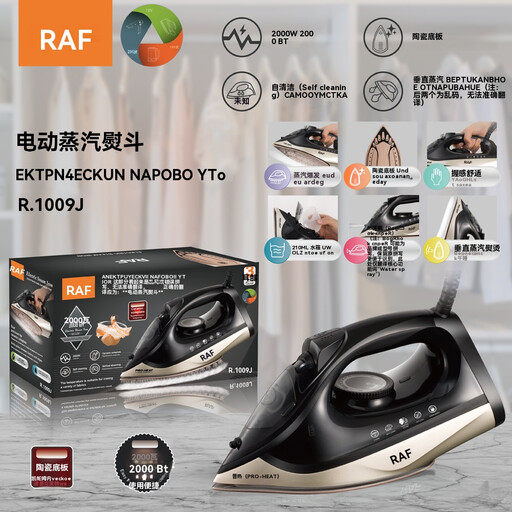
Why it suits this type of user: This model combines a ceramic soleplate, vertical steaming and a visible 210 ml water tank for everyday ironing at home.
As well as a 2,000-watt rating, the specifications list a self-cleaning function, spray function and steam boost. That means you can look beyond wattage alone.
Ceramic soleplate, 210 ml tank, self-cleaning function and support for 110-220 volts, according to the product information.
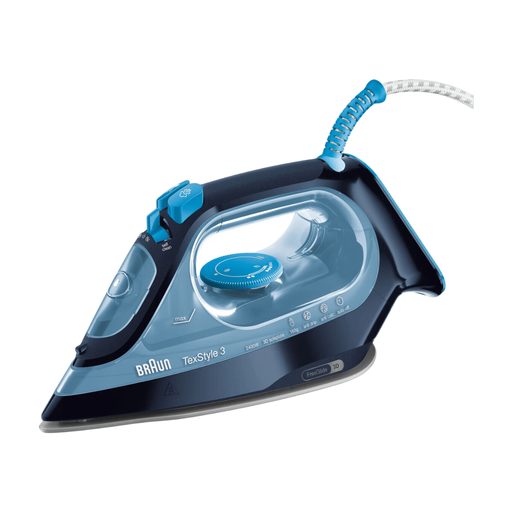
Why it suits this type of user: If quick heat-up and extra safety features matter to you, this model offers 2,400 watts, a steam boost of up to 170 g and automatic shut-off.
The product details list both an anti-scale system and automatic shut-off, covering maintenance and safer storage.
Heats up in as little as 35 seconds, with a SuperCeramic soleplate and automatic shut-off after 30 seconds when horizontal or 8 minutes when upright, according to the product specifications.
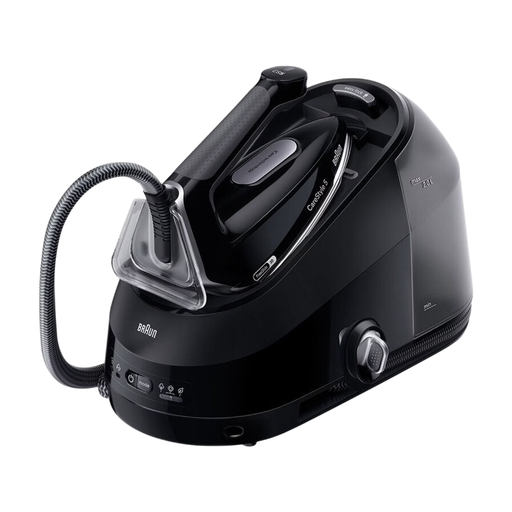
Why it suits this type of user: This model is designed for households that iron large loads of laundry in one go and want to refill the water less often.
The 2-litre tank means fewer interruptions. The anti-scale and automatic functions are useful for frequent use.
Up to 150 g/min of steam, a 510 g steam boost, a removable 2-litre tank and vertical steaming, according to the product details.
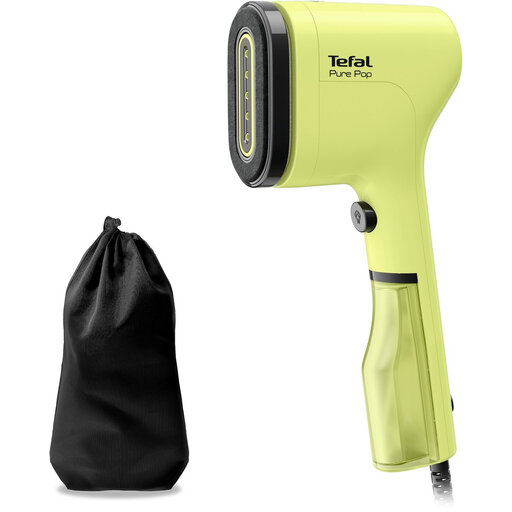
Why it suits this type of user: This compact handheld steamer is designed for clothes on hangers, last-minute touch-ups and taking with you when you travel.
Its small tank and low weight make it easy to carry. Just don’t expect it to replace an iron for long sessions with large piles of laundry.
Heats up in 15 seconds, weighs 0.71 kg and delivers up to 20 g/min of steam, according to the product information.
We’ve put together a full, up-to-date list of products that meet these strict selection criteria and comply with current European safety regulations.
Always read the care label before use and select the right temperature. Don’t fill the tank above the maximum mark, and only use water permitted by the manual. Even if your iron has an anti-scale function, it still needs regular cleaning. Only clean the soleplate once it has cooled completely.
When using a garment steamer, hold it upright and move it slowly from top to bottom. Never direct hot steam at people, animals or yourself. Don’t leave a hot iron plugged in and unattended, even if it has automatic shut-off.
It depends on how long you use it, its power rating and the steam setting you choose. A standard steam iron usually takes up less space and is suitable for small to medium-sized ironing sessions. A steam generator uses more water and often has a higher steam capacity, which can help you get through large loads of laundry more quickly.
Follow the instructions for your specific model. How often you need to descale it depends on your water hardness and how frequently you iron. After use, empty the tank if recommended, and use the self-cleaning or anti-scale function as instructed.
A garment steamer is handy for quick touch-ups and hanging clothes, but it won’t always create sharp creases as precisely as an iron. Test delicate fabrics on an inconspicuous area first, and keep the steamer at a suitable distance from the fabric.
