
Vandaag of morgen in huis

Kwaliteit gegarandeerd

Welkomstaanbiedingen ontgrendelen: GRATIS bezorging | Tot 80% korting | Gratis 30 dagen JoyPlus-proefperiode
Download de app
A good steam iron should suit the amount of laundry you have, the types of clothes you wear and the storage space available. A compact model is often enough if you iron a few shirts each week. A family with lots of bedding and thick fabrics will get more use from a steam generator with a large water tank. If you mainly want to freshen up clothes quickly, a garment steamer could be a better choice.
Product descriptions are often full of claims such as powerful steam, fast heat-up and professional results. These claims only mean something if you check the specifications behind them. Below, you’ll find the key things to consider and some suitable product options.
A high wattage can help an iron heat up quickly, but it doesn’t automatically tell you how much steam it produces. Check the continuous steam output in grams per minute and the steam boost figure too. In practice, a 2,400-watt iron with limited steam may be less suitable for thick fabrics than a lower-wattage model with better steam distribution.
A 350 ml tank is practical for regular use at home, while a 70 ml tank is better suited to quick touch-ups. Steam generators often have a capacity of between 1.3 and 2 litres. Check whether you can top up the water while the appliance is in use, too. A larger tank can make the appliance heavier or bulkier to store.
An anti-calc system, drip-stop and automatic shut-off are not minor details. Limescale can block the steam vents and leave marks on clothes. Automatic shut-off reduces the risk if the iron is left upright or flat. Also check whether the appliance has a self-cleaning function, an anti-calc rod or a removable filter, and always follow the instructions.
For everyday ironing, a continuous steam output of around 40 to 60 g/min is a useful starting point. A powerful steam boost can help tackle stubborn creases. The figures vary widely: standard steam irons often provide a short steam boost of around 120 to 250 g/min, while steam generators may quote higher figures.
Be sure to distinguish between continuous steam and a temporary steam boost. A high steam boost figure doesn’t mean the appliance operates at that level continuously.
A ceramic soleplate is popular because, according to product specifications, it glides smoothly over fabric and distributes heat evenly. Also look for:
For delicate fabrics, always follow the care label. A setting designed for several fabric types doesn’t replace choosing the right temperature or using the iron carefully.
For short ironing sessions, a capacity of 150 to 350 ml is often practical. If you iron several loads of laundry, a steam iron with a large water tank or a steam generator with a removable tank will make things easier. A capacity of 1.4 to 2 litres means fewer interruptions, but takes up more storage space.
Also check whether the model has:
Vertical steaming is handy for hanging clothes, curtains or quick touch-ups. It doesn’t always replace traditional ironing, especially for thick cotton or linen.
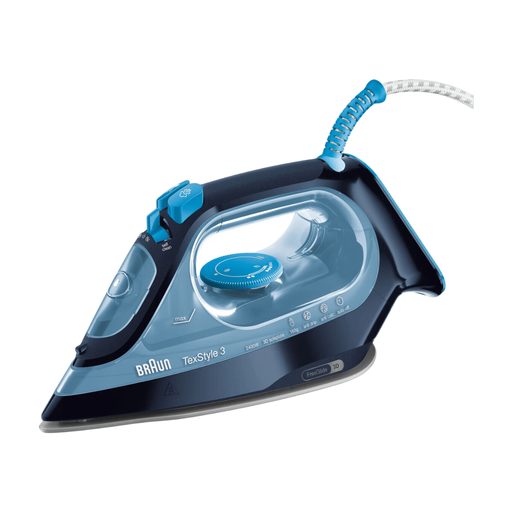
Why it suits this type of user: This model combines 2,400 watts with a heat-up time of up to 35 seconds and a water tank with a wide filling opening. It’s a good fit for households looking for a standard steam iron without a bulky base unit.
The product specifications list both the heat-up time and a 170 g steam boost. Automatic shut-off and an anti-calc system are also included.
2,400 watts, 170 g steam boost, automatic shut-off and a heat-up time of up to 35 seconds.

Why it suits this type of user: This steam iron is designed to deliver high steam output and effective limescale management. The product specifications list 3,200 watts, continuous steam of up to 60 g/min and a steam boost of up to 250 g/min.
The manufacturer lists a Micro-Calc filter system and a self-cleaning soleplate. Check the maintenance instructions to ensure the filter is used and replaced correctly.
3,200 watts, 350 ml tank, automatic shut-off and a steam boost of up to 250 g/min, according to the product information.
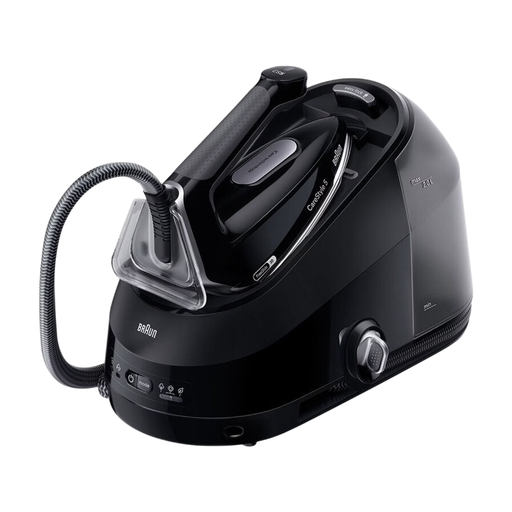
Why it suits this type of user: The removable 2-litre tank is well suited to long ironing sessions and large loads of laundry. The base unit takes up more space, but means you won’t need to refill it as often during household ironing.
The large tank helps avoid frequent interruptions. According to the product details, the system includes automatic shut-off, anti-calc features and an anti-drip function.
2-litre water tank, 150 g/min continuous steam, 510 g steam boost and vertical steaming function.
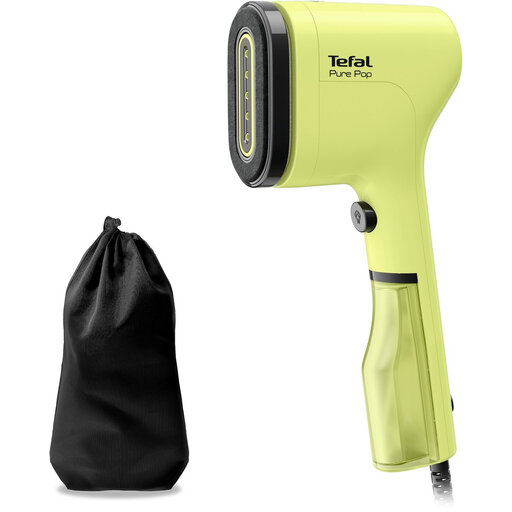
Why it suits this type of user: According to the product information, this compact garment steamer heats up in 15 seconds and weighs 0.71 kg. It’s a good choice for travellers and anyone who wants to freshen up clothes on the hanger.
Its compact design means you don’t need a heavy ironing board and large appliance for quick touch-ups. The 70 ml tank is intended for short sessions, though.
15-second heat-up time, 20 g/min steam output, safety shut-off and a compact design.
We’ve put together a complete, up-to-date list of products that meet these strict selection criteria and the applicable European safety regulations.
It depends on how long you use it, the steam setting and its energy consumption. A steam generator often has a larger tank and higher steam output, so you can get through a large load of laundry more quickly. For just a few garments, a standard steam iron may be more practical. Compare the wattage, heat-up time and running time per tank rather than looking only at the purchase price.
Its lifespan depends on factors such as water quality, maintenance and how often you use it. Empty the tank after use if the instructions recommend it, remove limescale using the specified programme and avoid scratching the soleplate. An anti-calc system helps with maintenance, but doesn’t remove the need to clean the iron.
Yes, many models have a vertical steaming function. It’s handy for hanging shirts, dresses and curtains, as well as quick touch-ups. Keep the appliance at a safe distance, never direct hot steam at people or animals, and check the care label first. For really smooth results on thick fabrics, horizontal ironing is usually more suitable.
