
Vandaag of morgen in huis

Kwaliteit gegarandeerd

Welkomstaanbiedingen ontgrendelen: GRATIS bezorging | Tot 80% korting | Gratis 30 dagen JoyPlus-proefperiode
Download de app
A steam iron can make light work of a pile of shirts, bedding and curtains. But a high wattage or a powerful steam boost doesn’t tell you everything. Some models have a small tank, leak at low temperatures or are awkward to store. If you focus only on marketing claims, you could end up paying for features that make little difference at home.
Instead, focus on three things: effective steam performance, maintenance and practical safety features. Read on to find out what to look for and which models suit different households.
A power rating of 2,800 or 3,200 watts mainly tells you how quickly the iron heats up. It doesn’t determine how effectively creases are removed. Check the continuous steam output in grams per minute, as well as the strength of the steam boost.
For everyday ironing, a continuous steam output of around 40 to 50 g/min is a useful benchmark. An iron with a steam boost can deliver a temporary burst of extra steam for thick cotton, linen or stubborn creases. However, a steam boost can’t replace a steady supply of steam.
A 300 to 350 ml tank means fewer interruptions during a typical ironing session. A steam generator usually has a removable tank with a capacity of 1.3 to 2 litres, making it a better choice for larger loads of laundry. The trade-off is that the base unit takes up more space and is heavier.
Also check whether the filling opening is wide enough and whether you can see the water level. A transparent tank means you won’t have to guess how much water is left while filling it.
Limescale can put a strain on the steam vents and internal system, particularly in hard water areas. A self-cleaning iron or an anti-scale function makes maintenance easier, but it won’t necessarily remove the need to descale the iron. Always follow the manufacturer’s instructions.
An iron with an anti-drip function helps reduce water droplets and marks at lower temperatures. An iron with automatic shut-off switches off after a period of inactivity, but you should still unplug it after use.
Look out for the difference between:
A powerful steam boost is useful for thick fabrics and stubborn creases. For a shirt or lightweight blouse, a good soleplate and even steam distribution can be just as important.
According to the specifications for various models, a steam iron with a ceramic soleplate glides smoothly over fabrics and is generally easy to clean. Also check whether the soleplate has a precision tip. This is handy for ironing around collars, buttons and pockets.
A rounded soleplate can help when you move backwards over zips or buttons. Manufacturers use different technologies and coatings, so compare the specific features rather than relying on the product name alone.
For a quick daily ironing session, 200 to 350 ml is often enough. If you iron lots of shirts, sheets or table linen, a steam generator may be a better fit. A cord of around 1.8 to 2 metres gives you more room to move.
Vertical steaming is useful for hanging clothes, curtains and lightweight fabrics. It won’t always replace a full ironing session on the board. A cordless iron gives you more freedom to move, but you’ll need to return it to its charging base between uses to keep it at the right temperature.
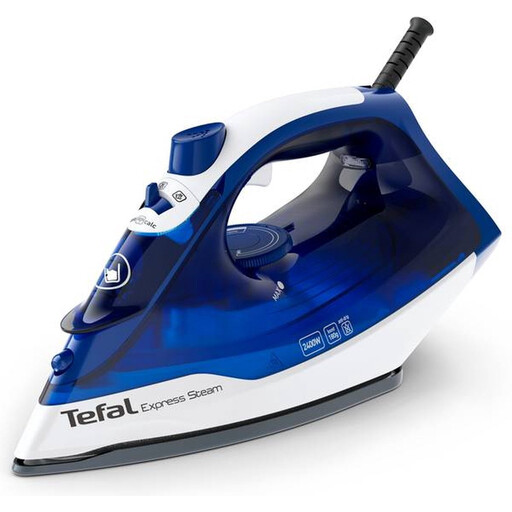
Why it suits this profile: This model combines 2,400 watts of power, a ceramic soleplate and a 270 ml water tank for everyday ironing at home.
The product specifications include anti-drip, vertical steaming and the ability to refill the tank while ironing. Automatic shut-off isn’t listed, so always unplug the iron after use.
2400 W, ceramic soleplate, 180 g/min steam boost and anti-drip function.
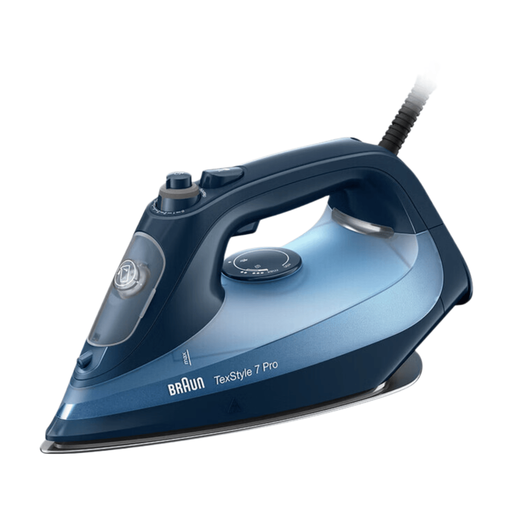
Why it suits this profile: With 3,100 watts of power, continuous steam of 50 g/min and a steam boost of up to 225 g/min, this model is a good fit if you regularly iron a range of fabrics.
The product information lists a self-cleaning function, anti-drip and automatic shut-off. That means maintenance and safety don’t rely entirely on manual checks.
300 ml tank, FreeGlide 3D soleplate according to Braun and automatic shut-off.
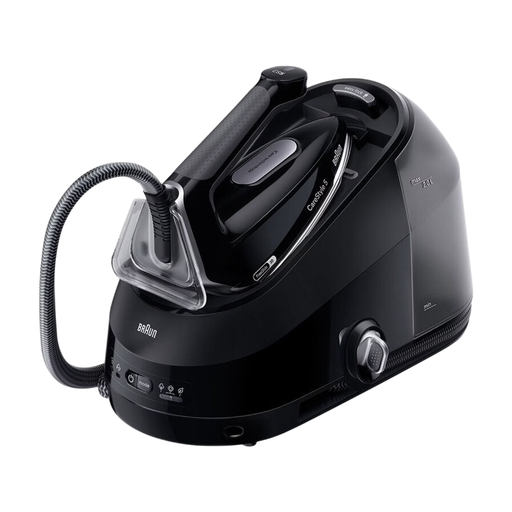
Why it suits this profile: The removable 2-litre tank and continuous steam output of up to 150 g/min are practical for households with lots of laundry.
The large tank means you’ll often need to refill less, while the product information also lists anti-drip, automatic shut-off and an anti-scale function.
2-litre tank, stated pressure of 7.5 bar, 510 g steam boost and vertical steaming.
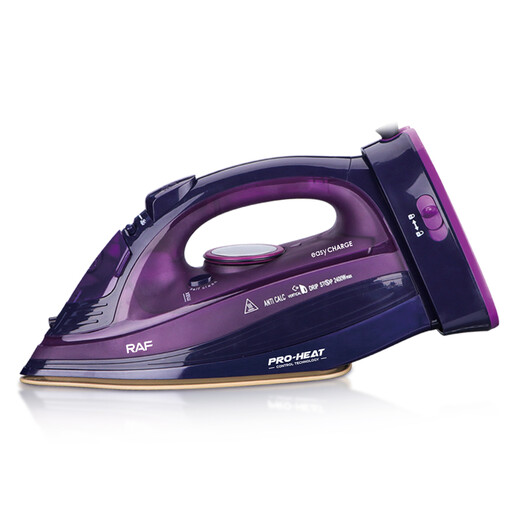
Why it suits this profile: This cordless iron is a good choice if you want more freedom of movement when ironing sheets, curtains or making quick touch-ups.
The charging base lets you use the iron without a cord. Bear in mind that the stated steam output is 15–25 g/min, and return the iron to the base between uses.
Ceramic soleplate, 320 ml tank, self-cleaning function and anti-drip function.
We’ve put together a complete, up-to-date list of products that meet these rigorous selection criteria and current European safety regulations.
Yes, especially if you regularly iron large loads of laundry. A steam generator has a larger tank and usually delivers more continuous steam. If you only iron a few items each week, a compact steam iron is often easier to store.
Its lifespan depends on how often you use it, the quality of your water and how well you maintain it. Empty the tank after use, clean the soleplate when it’s cool, and use the self-cleaning or anti-scale function as instructed in the manual. Automatic functions don’t remove the need for ongoing maintenance.
A higher wattage can bring the iron up to temperature more quickly, but electricity use also depends on how long you use it and which settings you choose. According to some manufacturers’ product information, an eco mode can help reduce energy use. So don’t compare wattage alone: consider the total ironing time and how often you need to stop to refill the tank.
