
Vandaag of morgen in huis

Kwaliteit gegarandeerd

Welkomstaanbiedingen ontgrendelen: GRATIS bezorging | Tot 80% korting | Gratis 30 dagen JoyPlus-proefperiode
Download de app
Buying a new steam iron seems simple—until you get lost in a jungle of specifications, marketing claims, and models that all appear to do the same thing. Many people choose a model based on an impressive steam boost or a low price, only to find out a few months later that the appliance leaks, collects limescale, or simply isn't powerful enough.
As a Product Recommendation Officer at Joybuy, I see where things go wrong every day. To help you find a model that's truly right for you, I'll highlight the three most common pitfalls and the specifications that really matter.
Before you pull out your wallet, watch out for these common traps:
To make an informed choice, focus on these three objective criteria.
Steam is the key to effortless ironing. Pay attention to two values:
The soleplate is the part that makes direct contact with your clothes. The material determines how smoothly the iron glides and how heat is distributed.
Small details make a big difference in daily use.
Based on the criteria above, we have selected a few models that suit different user profiles.
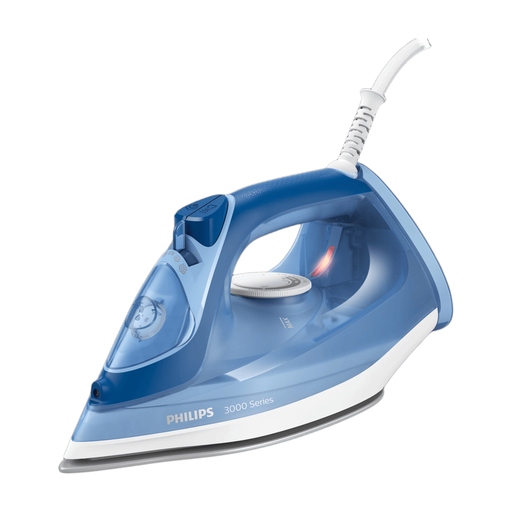
Why it's a match: This Philips steam iron is an excellent all-rounder for most households. It offers a solid balance of power, ease of use, and price, ideal for those who tackle a pile of laundry every week without hassle.
With a continuous steam output of 40 g/min, this model delivers consistent performance instead of just relying on a high steam boost. The ceramic soleplate ensures smooth, even operation.
The automatic shut-off feature provides safety and peace of mind. The large 300 mL water tank reduces the need for frequent refills.
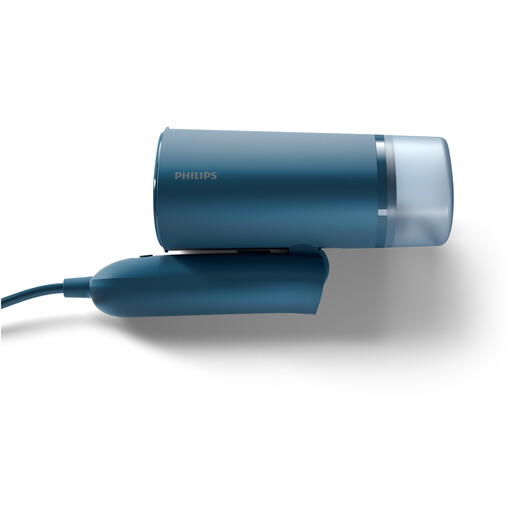
Why it's a match: For those who hate ironing or need a quick fix. Ideal for freshening up a wrinkled shirt before a meeting or for taking along as a compact travel iron. No ironing board needed.
This device doesn't try to be an iron. It's a specialized handheld steamer that excels at vertical steaming. Its lightweight and foldable design completely solves the ergonomic problem of heavy irons.
Extremely compact and foldable, ready to use in 30 seconds. According to Philips, the hot steam also kills 99.9% of bacteria, which freshens up clothes.
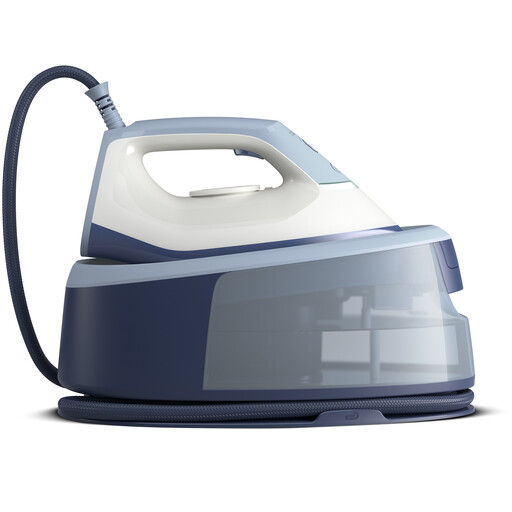
Why it's a match: If you have to get through large amounts of laundry every week, a steam generator is worth the investment. This model makes ironing significantly faster and more efficient, ideal for families.
This appliance delivers what it promises: immense steam power. With a continuous steam output of 120 g/min, it's not just empty marketing. The iron itself is lightweight because the water is in the separate 1.4L tank, which improves ergonomics.
Irons significantly faster than a traditional iron. The large, detachable water tank can be refilled at any time without having to wait.
We have compiled a complete, up-to-date list of products that fully meet these strict selection criteria and Dutch safety regulations.
This depends on the water hardness in your area and how often you iron. As a general rule, once every 1 to 3 months. Always consult the manufacturer's manual for the specific procedure. Using demineralised water can significantly extend the life of your appliance.
Many modern steam irons have a vertical steam function, which is handy for a quick touch-up of a hanging garment. However, for steaming multiple items, curtains, or delicate fabrics, a dedicated handheld steamer or garment steamer is much more practical and effective.
A cordless iron offers unparalleled freedom of movement. The performance is comparable, but the iron must be regularly placed back on its base station to stay hot. For ironing a few items of clothing, this is not a problem. For large laundry baskets, a corded model or a steam generator may be more efficient, as they guarantee a constant temperature and steam supply.
