
For anyone who often irons linen napkins
You regularly iron several napkins and want to tackle stubborn creases without having to keep refilling the water tank.


A steam generator is worth considering if you regularly iron several linen napkins or tackle stubborn creases. For just a few napkins, a more compact steam iron is more practical. Iron the napkins when they are only slightly damp, follow the care label and let them dry after steaming without adding more steam. For this task, prioritise adjustable steam over the highest steam boost alone.
You regularly iron several napkins and want to tackle stubborn creases without having to keep refilling the water tank.
You want to smooth slightly damp linen without extra steam making the fabric wet again.
You iron small quantities and need to decide whether a steam generator’s separate base will fit in your space.
Iron linen while it is still slightly damp, and use less extra steam once you have dealt with the creases. This helps prevent unnecessary moisture in the napkins and on the ironing board.
| What to consider | What should you check? | Who is this important for? |
|---|---|---|
| Lots of linen with stubborn creases | Compare the stated continuous steam output and the water tank capacity. Manufacturer figures are not independent ironing test results. | If I regularly iron a pile of napkins, I want to refill less often and tackle creases effectively. Around 40% of consumers prioritise this combination of capacity and ease of use when ironing several napkins. |
| Managing moisture | Check whether you can adjust or switch off the steam, and follow the care label on your napkins. | If my napkins are already slightly damp after a wet journey, I want to avoid leaving them with extra moisture after ironing. Around 30% of consumers prioritise smoothing fabric without making it wet again. |
| Space and ease of handling | Compare the dimensions of the complete unit with your work and storage space, not just the weight of the handheld iron. | When I’m ironing only a few napkins, I don’t want an awkwardly large base taking up space where I iron. Around 20% of consumers say limited ironing and storage space is the deciding factor. |
| Maintenance after purchase | Check the descaling instructions for the model and the terms of any additional warranty. | If I’m choosing an appliance for regular use, I want to know in advance what maintenance it requires and what cover applies. Around 10% of consumers prioritise maintenance and costs after purchase. |
You don’t need maximum steam all the time. According to the Consumers’ Association, excess steam can condense into water, making the napkins and ironing board wet. A stated steam boost alone doesn’t prove how well an appliance irons linen.
Check whether you can adjust the continuous steam output, and if necessary, iron without steam after steaming to dry the fabric.
The separate base takes up more work and storage space than a regular steam iron. The larger water tank can be particularly useful if you iron more often or in larger quantities.
Weigh up how often you’ll use it and how many napkins you iron against the space you have available.
A limescale collector doesn’t replace descaling. An additional warranty package is separate from your statutory rights.
Follow the model’s maintenance instructions and consider any extra cover alongside your statutory rights.
The 3000 Series PSG3000/20 and PerfectCare 7000 PSG7200/20 are examples of different steam generators in the range.
The Express Protect SV9202E0 is an example you can compare for steam output and maintenance features.
The CareStyle 7 Pro IS7286BK is an example of a model with several operating modes.
The Lift range is worth considering if you’re looking for a portable steam generator.
These steam generators are worth comparing if you regularly iron several napkins or want to tackle stubborn creases. Also consider the space needed for the separate base, and check that each model’s steam settings suit the way you plan to use it.
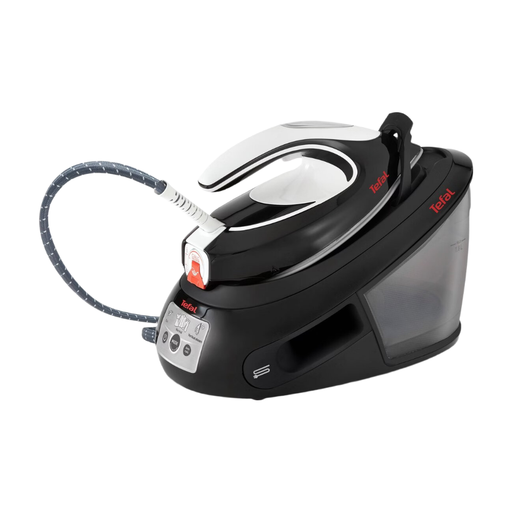 No image available
A steam generator to compare if you iron several napkins; remember to allow space for the separate base.
Pressure stated in the product name: 6,5 bar.
 No image available
Worth comparing if you’re looking for a steam generator for several napkins; factor the separate base into your space planning.
2400 W; 350 g steam boost; 1.4-litre tank. Philips states that the PSG3000/20 delivers 120 g/min of continuous steam.
 No image available
A steam generator to compare if you iron a pile of napkins. Check that the base will fit comfortably in your ironing and storage space.
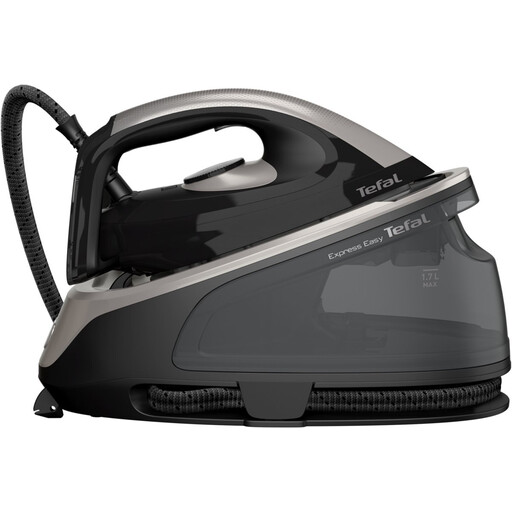 No image available
A steam generator to compare if you iron several napkins; include the space needed for the separate base in your decision.
 No image available
A steam generator to compare if you regularly iron several napkins; remember to allow space for the separate base.
According to the product name: 2400 W; 120 g steam boost; 70 g steam output; 6 bar pressure; removable 1.8-litre tank; ECO mode.
It’s best to iron them when they’re only slightly damp. Don’t keep adding extra steam, follow the care label and let the napkins dry without steam after ironing.
Follow the care label on the specific napkin; the right temperature can vary from one napkin to another. Don’t automatically use the temperature limit for a different model or product.
Follow the maintenance instructions for your model. Tefal advises against using vinegar or descaling products with its steam generators; the recommended procedure can vary by model.
According to ACM ConsuWijzer, the seller is responsible for providing an appropriate solution if the product fails to meet what you could reasonably expect during normal use. This could be a repair, replacement or refund.
Electrical equipment covered by the EU Low Voltage Directive must carry the CE marking. EUR-Lex describes equipment covered by that directive as having a rated voltage of 50–1.000 V AC or 75–1.500 V DC. Check the applicable voltage and conformity information for the specific model.