
Vandaag of morgen in huis

Kwaliteit gegarandeerd

Welkomstaanbiedingen ontgrendelen: GRATIS bezorging | Tot 80% korting | Gratis 30 dagen JoyPlus-proefperiode
Download de app
A steam cleaner can be useful for hard floors, kitchen surfaces, windows and upholstery. However, not every model is suited to the same jobs. A lightweight steam mop is handy for a quick clean, while a handheld steam cleaner with accessories is better for grouting, taps and hard-to-reach areas.
The differences aren’t just about wattage or a marketing claim on the packaging. The water tank, heat-up time, power cord and surfaces the cleaner can be used on all affect how well it works in practice.
A higher wattage means the heating element uses more power, but it doesn’t tell you on its own how long the cleaner produces steam or how easy it is to use. Check the heat-up time, steam settings and tank capacity too.
A 1300-watt model with a 0.38-litre tank may be enough for everyday cleaning. For a larger home or longer cleaning sessions, a bigger tank is more practical.
Steam isn’t suitable for every surface. Only use a steam cleaner on hard floors if they are sealed and suitable for moisture and heat. Untreated wood, some laminate floors, waxed surfaces and delicate glued joints can be damaged.
Take care with carpets and upholstery too. Only use a suitable attachment or carpet glider, and test it on an inconspicuous area first. A product description saying “suitable for many surfaces” doesn’t replace the manufacturer’s instructions.
A large tank means fewer interruptions, but it often makes the cleaner heavier. A compact steam mop with a 250 to 400 ml tank is easy to manoeuvre, but has a limited run time. A canister-style model with a 2.2-litre tank can run for longer, but takes up more storage space.
So choose based on your home and cleaning routine, rather than focusing on one impressive-sounding figure.
For quick cleaning jobs, a heat-up time of around 25 to 30 seconds is handy. A 2-in-1 steam cleaner with multiple steam settings gives you more control over both light and stubborn dirt.
Check the stated steam pressure too. A figure in bar can help when comparing models, but it doesn’t tell you everything about the results. The nozzle shape, distance from the surface and amount of moisture also play a part.
A larger tank means less frequent refilling. Check whether the tank is removable and what type of water the manufacturer recommends. Several models in this selection specify that only clean water should be used. Don’t add detergent, perfume or oil unless the instructions say it’s allowed.
A model that produces steam for around 10 to 14 minutes is suitable for a kitchen, bathroom or a few rooms. For longer sessions, a 2.2-litre tank may be more practical.
A 4 to 6-metre cord means you won’t need to change sockets as often. Weight is particularly important if you also want to clean walls, windows or worktops. A steam floor cleaner weighing around 2 kilograms is usually easier to move around than a 6-kilogram multifunctional model.
Finally, check which accessories are actually included. These might include a window squeegee, grout brush, nylon brush, extension hose, carpet glider and reusable microfibre pads. A steam cleaner with accessories is only versatile if they’re suited to the cleaning jobs you need to do.
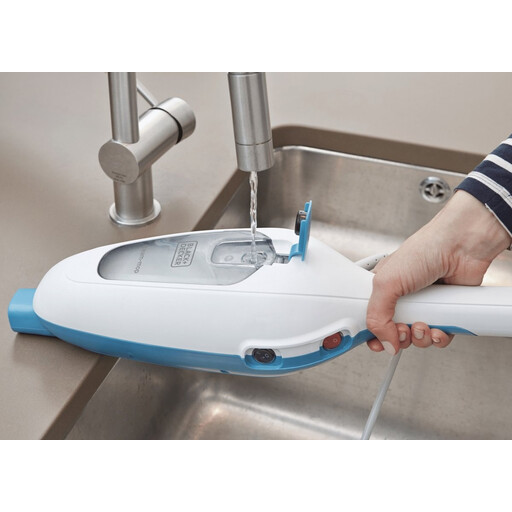
Why it suits this profile: This lightweight steam mop is designed for sealed hard floors and everyday cleaning in the kitchen, bathroom and living room.
The specifications state a 30-second heat-up time, a 0.38-litre tank and a 4-metre cord. This makes it easier to assess the key details than relying on a wattage claim alone.
1300 watts, weighs 1.8 kilograms and produces continuous steam for up to around 11 minutes, according to the product information. Use clean water only.
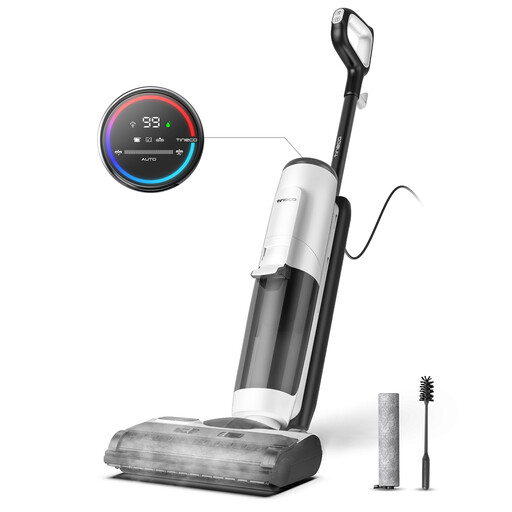
Why it suits this profile: This model is designed for households that want to vacuum and clean hard floors at the same time, with controls and information shown on a digital display.
The product information limits its use to indoor floors such as vinyl, tiles and sealed wood. This helps prevent the appliance from being used as an all-purpose cleaner.
Combines wet and dry cleaning, features a digital display and weighs 6 kilograms. Not intended for flammable liquids, sharp objects or hazardous materials.
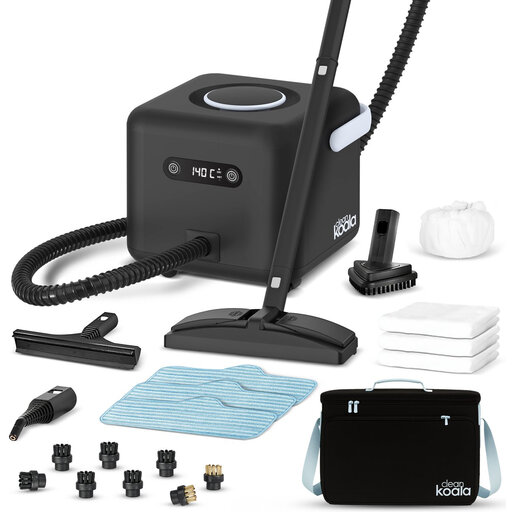
Why it suits this profile: The floor-cleaning function, flexible hose and range of attachments make it suitable for larger homes and a variety of cleaning jobs.
The 2.2-litre tank and stated run time of up to 60 minutes mean fewer interruptions. At 6 kilograms, it does need enough storage space.
1650 watts, 4 bar working pressure, a 30-second heat-up time and a set that includes a grout brush, window squeegee and turbo nozzle.
We’ve put together a complete, up-to-date list of products that meet these strict selection criteria and comply with the applicable European safety regulations.
Cleaning without chemicals doesn’t mean you can skip the preparation. First, remove loose dirt with a vacuum cleaner or cloth. This means the steam cleaner has less dirt to move around, and your microfibre pads will stay usable for longer.
Keep the following points in mind:
Brands may make specific claims about cleaning results. For example, according to the product description, the manufacturer of the Black+Decker FSM13E1 states that the appliance removes up to 99.9% of common household bacteria. This is a claim from the product information, not a general guarantee for every surface or cleaning situation.
Only if the flooring and steam cleaner manufacturers say it’s suitable. Use only sealed laminate, choose an appropriate steam setting and don’t let moisture sit on the floor for long. If you’re unsure, a lightly damp microfibre cloth is a safer alternative.
Its lifespan depends on how often you use it, how well you maintain it and how it’s stored. Empty the tank after use, keep the nozzles clear of dirt and follow the descaling instructions. Don’t force attachments into place or use additives that could damage the heating element.
You may use less cleaning product if the appliance runs on clean water alone. However, you’ll also need to account for electricity, water and any replacement pads. A compact steam mop is particularly handy for regular upkeep; for the occasional small mark, a cloth may be quicker and more economical.
