
Vandaag of morgen in huis

Kwaliteit gegarandeerd

Welkomstaanbiedingen ontgrendelen: GRATIS bezorging | Tot 80% korting | Gratis 30 dagen JoyPlus-proefperiode
Download de app
A good steam appliance can save a lot of time and frustration, whether you're quickly smoothing out a wrinkled shirt or preparing a healthy meal. But the market is flooded with models that promise the world. Many devices end up as a bulky dust-collector in the closet. This is often due to a few common design pitfalls that buyers easily fall for.
Before you make a choice, it's wise to know what to look out for. These are the three most common problems:
By understanding these points, you can search more effectively for a steam appliance that truly suits your needs and is worth the money.
Marketing terms can often be confusing. Instead, focus on a few concrete specifications that determine the performance of a steam appliance.
The effectiveness of a steam appliance is measured in grams per minute (g/min). This is the most important specification to check.
The soleplate is the part that makes direct contact with your clothes. The material determines how smoothly the appliance glides and how durable it is.
Practical convenience depends heavily on the water reservoir and maintenance.
Below are a few models that suit different user profiles, based on their specifications.

Why This Fits Their Persona: Ideal for those with limited space or who travel often. This compact device functions as a garment steamer for vertical steaming and as a small iron for flat ironing. Perfect for quickly freshening up a blouse or shirt before a meeting.
The dual water reservoir (280 ml total) is a smart solution for a travel model, meaning you don't have to refill after every garment. The 15-second heat-up time is functional here, as the device is designed for quick, short tasks.
2-in-1 design: Both vertical steaming and horizontal ironing. Compact and lightweight: Easy to pack and store.

Why This Fits Their Persona: For households where the laundry basket is never empty. A steam generator like this delivers constant, high steam pressure that significantly speeds up ironing large loads of laundry, from jeans to bedding.
The large, 1.8-litre removable water tank tackles the frustration of constant refilling. The Tefal Anti-Calc system with its scale collector is a proven solution for hard water, ensuring longevity and performance.
Powerful steam performance: The high power (2800W) and continuous steam accelerate the ironing process. Effective anti-calc system: Extends the lifespan and maintains steam power.
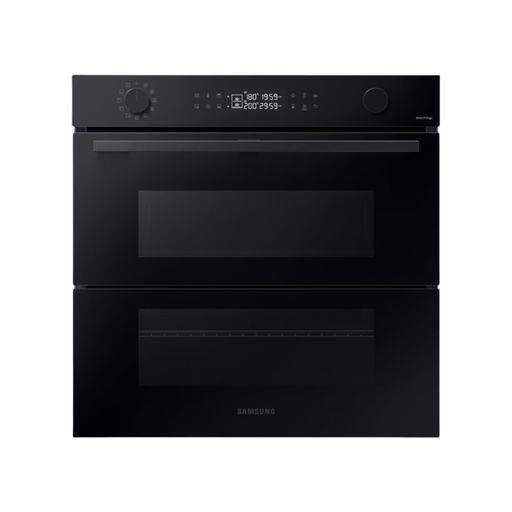
Why This Fits Their Persona: For those who want to integrate steaming into their kitchen. This **steam oven** isn't for garment care, but a device for preparing healthy and flavourful meals. According to Samsung, the Natural Steam function preserves the natural juices of ingredients.
The pitfall with steam ovens is a vague 'steam function'. This model offers specific technologies like Natural Steam and Air Sous Vide, which are aimed at concrete cooking results. The Dual Cook technology allows the oven to be used flexibly in two zones.
Multifunctional: Dual Cook Flex, Natural Steam, and Air Sous Vide in one appliance. Large capacity: With a 76-litre capacity, it's suitable for large families or dinner parties.
We have compiled a complete, up-to-date list of products that meet these selection criteria and current regulations.
1. How often should I descale my steam appliance? This depends on the water hardness in your region and how often you use the appliance. A good rule of thumb is to do this every 1 to 3 months. Many modern devices have an indicator light that shows when it's time to descale. Always follow the manufacturer's instructions for your specific model.
2. Can I use tap water in my steam iron or garment steamer? For most modern steam appliances, tap water is fine, especially if they have a good anti-calc system. With very hard water, manufacturers often recommend mixing tap water with demineralised water (a 50/50 ratio). Never use pure demineralised or distilled water unless the manual explicitly states to do so, as this can damage the soleplate's coating.
3. What is the difference between a steam iron and a steam generator? A steam iron has a built-in water reservoir and generates steam within the iron itself. It is more compact and ideal for smaller loads of laundry. A steam generator has a separate base station with a large water reservoir. This station generates high-pressure steam that is fed through a hose to the (lighter) iron. This provides a much more powerful and consistent steam output, allowing you to get through large amounts of laundry more quickly.
