
Vandaag of morgen in huis

Kwaliteit gegarandeerd

Welkomstaanbiedingen ontgrendelen: GRATIS bezorging | Tot 80% korting | Gratis 30 dagen JoyPlus-proefperiode
Download de app
A pen that smudges, a marker that dries out after just one week, or a pencil lead that constantly breaks. We've all been there. The market for stationery is vast, and it's easy to get lost in promises of "ultimate writing comfort" or "revolutionary ink." Often, you're paying for marketing, not quality. This guide will help you make the right choices for your specific needs, whether you're looking for school supplies, office supplies, or art materials.
We'll focus on three common pitfalls:
Before making a purchase, it's wise to look beyond the packaging. Three objective features determine whether a pen, pencil, or marker is right for you.
The thickness of the tip, expressed in millimeters (mm), directly impacts your writing or drawing style.
Not all ink is created equal. Its composition determines the flow, drying time, and permanence.
A pen should fit comfortably in your hand, especially if you use it for hours. Pay attention to the shape (round, hexagonal, triangular) and the grip material. A soft rubber grip can reduce fatigue. Weight also plays a role; a heavier metal pen can provide a sense of quality, while a lightweight plastic pen is practical for on-the-go use. Brands like Faber-Castell and STAEDTLER often pay close attention to the ergonomic design of their pens and pencils.
Below are some recommendations tailored to specific user profiles. This selection is based on product features that help avoid the pitfalls mentioned earlier.
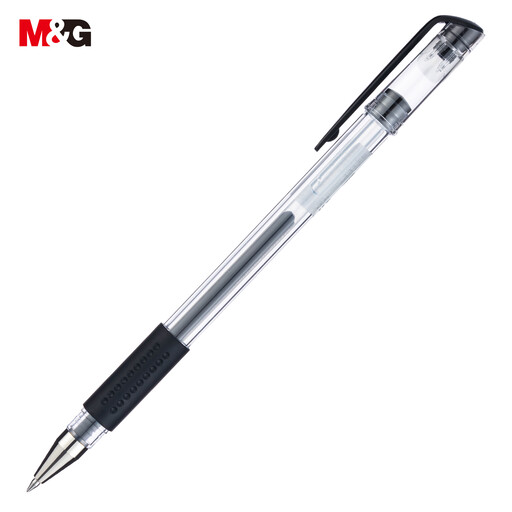
Why This Fits Their Persona: For students who write a lot, a reliable and affordable pen is essential. This 12-pack provides a good supply for the entire semester. The fine 0.5 mm tip is perfect for taking neat notes in crowded notebooks.
The manufacturer, M&G, states that the gel ink is quick-drying. This helps reduce the risk of smudging during fast note-taking, a common problem with cheaper gel pens.
A bulk pack at a reasonable price and an ergonomic grip that provides comfort during long study sessions.
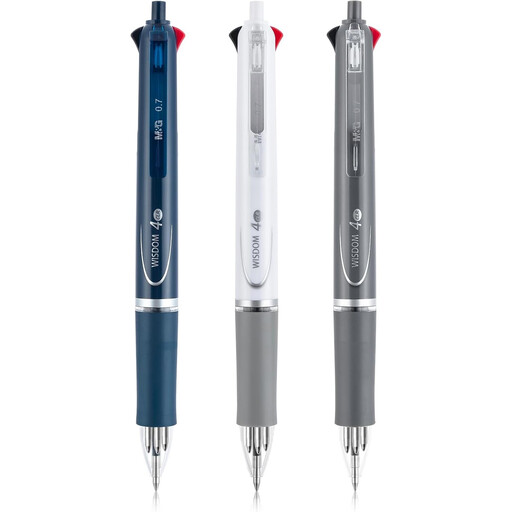
Why This Fits Their Persona: In an office environment, efficiency is key. This 4-colour pen combines black, blue, red, and green in a single barrel. Ideal for annotating documents and switching between tasks without changing pens.
The reliable oil-based ballpoint ink doesn't smudge or bleed through, even on standard printer paper. The retractable mechanism prevents it from drying out and creating stains in a bag or pocket.
Four colours in one pen for maximum functionality. The non-slip grip ensures comfortable use throughout the workday.

Why This Fits Their Persona: For illustrators and journalers, versatility is key. These markers from Faber-Castell feature a dual tip: a flexible brush tip for fluid strokes and a fine 0.6 mm tip for details.
According to Faber-Castell, the alcohol-based ink is quick-drying and smudge-proof once dry. This prevents the frustration of bleeding colours. The caps seal tightly, which helps prevent them from drying out.
The dual tip (brush and fineliner) and alcohol-based ink allow for streak-free blending, which is essential for high-quality art supplies.
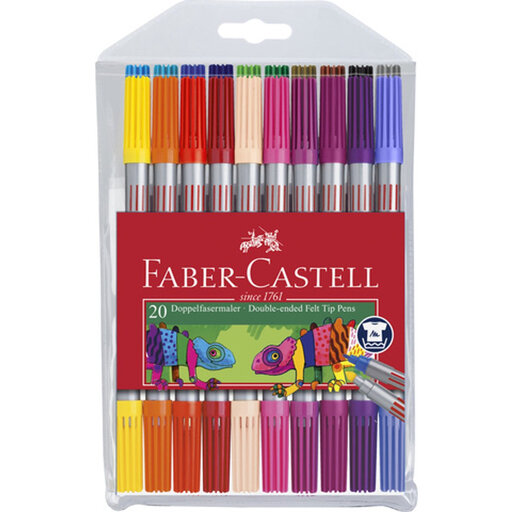
Why This Fits Their Persona: Parents look for safe, practical, and especially easy-to-clean supplies for their children. These felt-tip pens have a dual tip (thick and thin), making them versatile for both colouring and drawing.
The key feature is the water-based ink. Faber-Castell states that it is washable from most fabrics. This alleviates a major concern about messes.
Washable ink and a sturdy dual tip suitable for children's hands. The set meets CE safety standards.
We have compiled a complete, up-to-date list of products that meet these strict selection criteria and local regulations.
A ballpoint pen uses thick, oil-based ink, which creates a reliable and smudge-resistant line. A gel pen uses thinner, water-based ink, resulting in a smoother writing experience and often more intense colours. The downside of gel pens can be a longer drying time, although many quick-drying variants are available on the market.
The most important rule is simple: recap them immediately after use. Make sure the cap clicks securely into place. It's best to store markers and highlighters horizontally. This keeps the ink evenly distributed and prevents the tip from drying out faster than when stored vertically.
That depends on your usage. For daily notes, a budget-friendly multipack may suffice. For specific tasks like technical drawing, art, or if you write extensively for long periods, a pen from a reputable brand can make a noticeable difference in comfort, durability, and writing quality. Often, refills are also available for these pens, which can be more sustainable in the long run.
