
Baker with a full cupboard
You want to make yoghurt cake batter with a stand mixer and put the appliance away afterwards. So measure not only the cupboard opening, but also allow for the space needed to fit the bowl and operate the mixer.


Choose a mixer that fits where you plan to store it, with enough clearance to use the bowl or mixer head. Then check that the exact model comes with a suitable beater for cake batter and is right for the quantities you usually make. Before buying, also check the product specifications and that the unit being sold has the required CE marking.
You want to make yoghurt cake batter with a stand mixer and put the appliance away afterwards. So measure not only the cupboard opening, but also allow for the space needed to fit the bowl and operate the mixer.
You usually make one cake and are looking for a bowl and beater to suit your recipe. The Consumers’ Association describes food processors as appliances for baking tasks; when checking batch size, look at the capacity specified for the exact model, not just the bowl’s volume.
You don’t want to be left with awkward loose parts or complicated cleaning instructions after baking. Kenwood provides specific cleaning advice and accessory compatibility limitations for its Go model range.
First measure your storage space and the room needed to operate the mixer. Then compare the beater and stated capacity with your cake recipe.
| What to consider | What to look for when buying | Who is this important for? |
|---|---|---|
| Storage and work space | Measure the cupboard opening, shelf depth and space on your worktop. Compare these measurements with the exact model and leave room to tilt the head or remove the bowl. | If cupboard space is limited, you’ll want to know whether you can also operate the mixer where you plan to use it. Around 36% of consumers put storage space first. |
| Beater for cake batter | Check which beater comes with the exact model and what mixing instructions the manufacturer gives for cake batter. | If yoghurt cake is your main baking task, you’ll want a suitable beater without paying for features you don’t need. Around 29% of consumers put mixing cake batter effectively first. |
| Bowl and amount of batter | Compare the amount of batter in your recipe with the stated cake capacity for the exact model code. Bowl volume in litres is not the same as the maximum amount of cake you can make. | If you usually make one smaller cake, you’ll want the stated capacity to suit your recipe. Around 21% of consumers put their usual batch size first. |
| Cleaning and accessories | Check what’s included, how to clean the bowl and attachments, and whether the accessories you want are compatible with the exact model range. | If you want to tidy up quickly after baking, cleaning instructions and the number of loose parts matter. Around 14% of consumers put ease of cleaning and accessories first. |
Bosch lists the MUMS2AW00 as 700 W with a 3.8 l bowl, while a Joybuy product title for the same model code states 1000 W and 5.5 l. So don’t assume the model or capacity matches without confirmation.
Ask which exact model is being sold and compare the model code and specifications before deciding based on its size or bowl volume.
A model with a tilt-head also needs room for you to lift the head and remove the bowl. So a mixer that fits in your cupboard won’t necessarily be easy to use on your worktop.
Measure both the storage space and the work area, allowing for the movement of the head and bowl on the model you’ve chosen.
Kenwood says that existing Chef accessories won’t fit the Go KZM35. So don’t rely on the brand name alone.
Check compatibility using the full model code and see which beater for cake batter is already included.
The MUMS2AW00 has specific dimensions you can compare against a limited storage space: 266 × 266 × 277 mm. Bosch lists a 3.8 l bowl for this model.
The Kenwood Go KZM35.000RD is worth comparing if storage height is a key constraint. Kenwood lists a height of 30 cm and a 4 l bowl.
The KitchenAid 5KSM3311X is worth comparing if you’re looking for a 3.3 l bowl and a tilt-head.
These stand mixers are options to compare for mixing batter, with differences in bowl volume, controls and included attachments. Before buying, check the exact product model, the instructions for your recipe and that the unit being sold has the required CE marking.
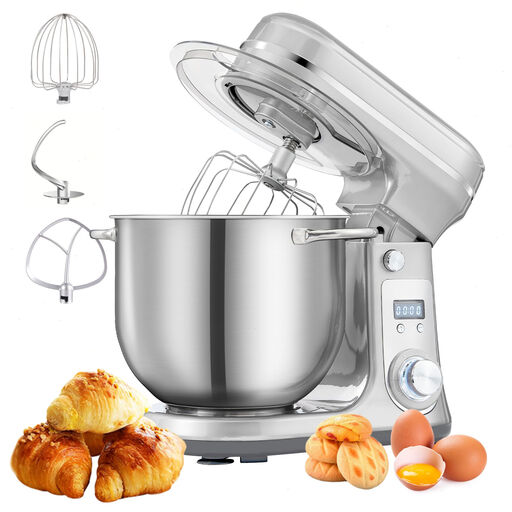 No image available
Worth comparing if you want to mix batter and multiple speed settings are important to you.
The product name lists a 6 l bowl, 1200 W, six speeds and a pulse mode.
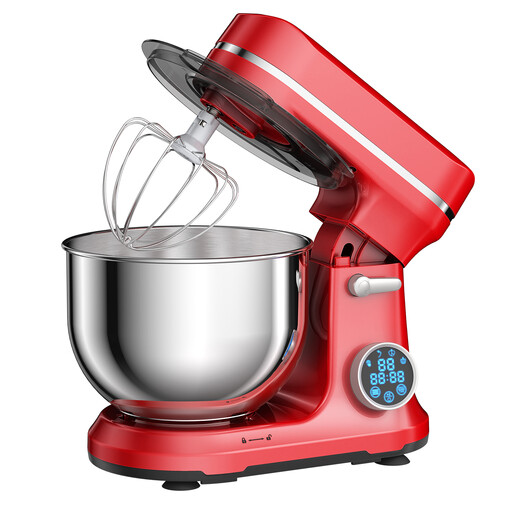 No image available
Worth comparing if you want to mix batter and choose from several speed settings.
The product name lists a 5 l bowl, 1200 W and 11 adjustable speeds. It also mentions dishwasher-safe parts and automatic protection in the event of a power cut.
 No image available
Worth comparing if you’re looking for a tilt-head and attachments for mixing and whisking.
The product name lists a 5 l bowl, 10 speeds and a power rating of 400 W. The listed attachments are a dough hook, whisk and mixing beater.
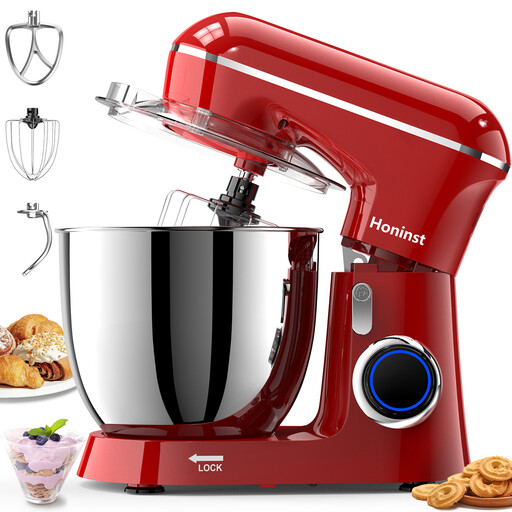 No image available
Worth comparing if you’re looking for a beater for cake batter and several speed settings.
The product name lists a capacity of 6.5QT, 10 speeds and a tilt-head. The listed attachments are a dough hook, whisk and mixing beater.
 No image available
Worth comparing if you want automatic kneading as well as mixing; check whether the included whisk is suitable for your cake recipe.
The product name lists a capacity of 5 l and a maximum dough capacity of 2.5 kg.
For cake batter, KitchenAid recommends using the flat beater and starting at a low speed. Check the instructions and the beater supplied with your exact mixer; whisking egg whites or cream until fluffy is a different task.
For the Kenwood Go, Kenwood advises switching the appliance off and unplugging it first. Kenwood says the bowl is dishwasher-safe, but recommends hand-washing the K-beater, whisk and dough hook. Follow the instructions for other models.
In the Netherlands, the seller must help resolve problems with a product, according to the Dutch government. Any manufacturer’s guarantee or additional warranty you buy does not replace your statutory right to a product that works properly.
For online purchases in the Netherlands, you generally have a statutory 14-day cooling-off period from the day the product is delivered, according to ACM ConsuWijzer. Check the applicable terms for unpacking, trying out and returning the product; a retailer’s more generous returns policy is separate from the statutory period.
Electric appliances covered by the applicable EU product rules must carry a CE marking. Check the marking and safety information for the unit being sold; the Dutch government explains that CE marking is relevant to products covered by those rules.