
Small-cake baker
Usually makes one small batch and wants to know whether the beater reaches the ingredients in the bowl. Maximum capacity alone won’t answer that question.


When making a small batch of vanilla cake batter, maximum bowl capacity isn’t the deciding factor. Choose a stand mixer with a suitable beater, and check that it can actually incorporate the ingredients in your recipe. A more compact model may suit a smaller worktop, while a medium-sized mixer is a better choice if you also make larger recipes. The bowl capacities and quantities quoted are manufacturers’ specifications, not independent measurements of how well the mixers handle small batches.
Usually makes one small batch and wants to know whether the beater reaches the ingredients in the bowl. Maximum capacity alone won’t answer that question.
Wants to be able to position and store the mixer, while also allowing enough room to access the bowl.
Also makes different quantities or types of mixture, so compares the bowl and included attachments rather than considering just one small cake.
Start with the beater and the recipe you usually make. Then consider the space available, cleaning and any extra attachments.
| What to consider | What to look for | Who it matters to |
|---|---|---|
| Mixing small batches | Check which attachment comes with the exact model and whether it can incorporate the ingredients in your usual recipe. A stated maximum doesn’t tell you the minimum quantity it can handle. | If I usually bake one small cake, I want to know whether the beater reaches the ingredients in the bowl. Around 36% of consumers prioritise mixing small batches. |
| Positioning and storage | Measure the space available for the exact model. If it has a tilt-head design, check how much room you need when the head is raised. | If I have limited worktop space, I want to be able to position and store the mixer without blocking access to the bowl. Around 29% of consumers give positioning and storage top priority. |
| Use and cleaning | Check the cleaning instructions for each attachment and find out how many parts you’ll need for your recipe. | If I want to clean as few parts as possible after baking, I look at what I’ll actually use and how to clean it. Around 21% of consumers prioritise ease of use and cleaning. |
| Other types of mixture | Check which attachments are included with the version you’re considering and whether any extras are compatible with the full model number. | If I want to make more than just cake batter, I want to know which attachments I’ll need. Around 14% of consumers give versatility and the required attachments top priority. |
A manufacturer’s maximum describes the upper limit for a specific model. It doesn’t tell you whether the beater can properly incorporate a small quantity of your recipe.
Compare the quantity in your usual recipe with the model information, and ask about mixing small batches if you’re unsure.
An additional bowl may be designed for specific models and might not come with the mixer. For example, KitchenAid describes the 5KB3SS as a separate bowl for certain medium-sized mixers.
Before choosing, check the full model number, compatibility and what’s included in the box.
Cleaning instructions can vary from one part to another. KitchenAid states that the standard wire whisk 5K452WW isn’t dishwasher-safe.
Follow the instructions for the included attachment and check its part number.
Kenwood lists a 4 L bowl and a height of 30 cm for the Go KZM35.000GY.
KitchenAid lists a tilt-head design, a beater and a 4.7 L bowl for the Artisan 5KSM125EMH.
Bosch lists a 3.9 L bowl with a whisk, beater and dough hook for the Serie 4 MUM5935B.
Smeg lists a 4.8 L bowl, a flat beater and ten speeds for the SMF04BLEU.
Below are stand mixers for mixing and whisking. For each model, check whether the specified attachment and bowl are suitable for your small recipe.
 No image available
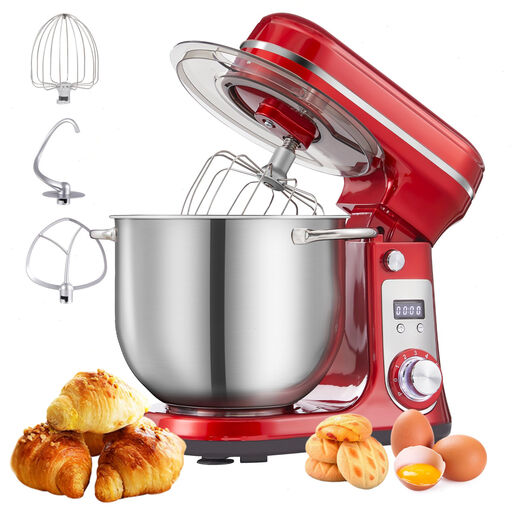
This mixer is designed for mixing, kneading and whisking. Check whether the included attachment can reach the ingredients in your small-batch recipe.
6 L bowl; 1200 W motor; tilt-head design; 6 speeds and a pulse mode.
 No image available
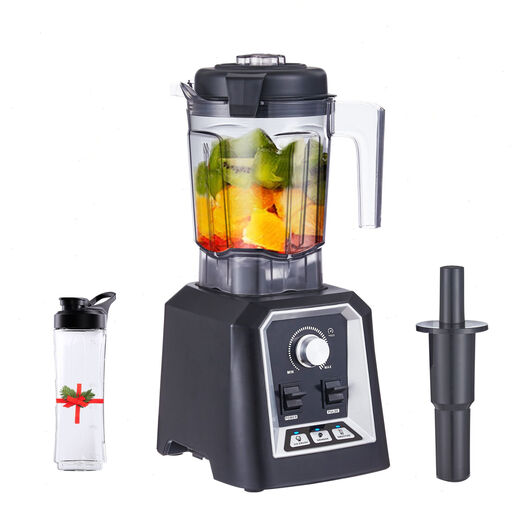
The stated bowl capacity can help you compare sizes, but bowl size alone doesn’t tell you how well a small batch will mix.
1,600 ml bowl; 2,200 W motor; 3 programmes; stepless speed control.
 No image available
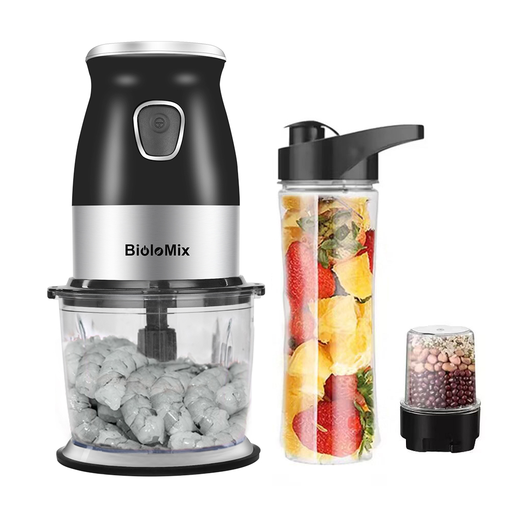
The product information mentions mixing batter and whipping cream. Check which attachment comes with the version you’re considering.
500 W motor; stainless steel blades; one-button control; metal drive system.
 No image available
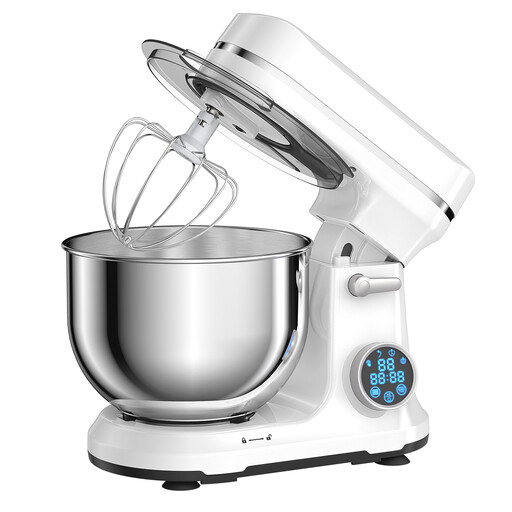
For small batches, check that the mixing action and included parts are suitable for your recipe.
5 L bowl; 11 speeds; 1200 W motor; OLED touchscreen.
 No image available
The product information lists a beater for batter. Check whether it can reach the ingredients in your small batch.
5 L bowl; 10 speeds; tilt-head design; 400 W motor; beater, dough hook and whisk.
Check your recipe and the manual for your model. KitchenAid describes the flat beater as suitable for cake batter, while the Kenwood Go KZM35.000GY is listed with a K-beater. A dough hook designed for bread dough isn’t, by itself, a reason to choose a mixer for cake batter.
No. Bowl capacity and maximum cake quantity don’t measure the smallest batch that can be mixed well. KitchenAid sells the 3 L 5KB3SS bowl separately for certain medium-sized mixers; check compatibility and what’s included with the mixer.
Follow the manual for the exact model and attachment. KitchenAid instructs users to unplug its stand mixers before cleaning; according to KitchenAid, the standard wire whisk 5K452WW isn’t dishwasher-safe.
According to the Dutch government, when you buy from a business at a distance, you generally have a 14-day cooling-off period in many cases. If a product is faulty, the seller must provide a solution. The Netherlands doesn’t have one fixed statutory guarantee period for all products; check any additional manufacturer’s guarantee separately.
The European Commission lists electrical and electronic equipment as a product category that may be covered by CE rules. The mark relates to applicable EU product requirements; it isn’t an independent assessment of a mixer’s performance.