
Home baker making small batches
You make small amounts of dough at a time and want to know whether the beater will reach your batch. The bowl’s maximum capacity won’t tell you that.


If you make small batches of dough, don’t choose a mixer based on bowl capacity alone: it won’t tell you whether the beater reaches the amount you’re making. Check that the right flat beater is compatible with your recipe and mixer, and look for information about the smallest quantity the model can handle. If you’re using ready-made puff pastry, you don’t need a stand mixer to make it; if you’re making puff pastry from scratch, the mixer won’t take over the rolling and folding.
You make small amounts of dough at a time and want to know whether the beater will reach your batch. The bowl’s maximum capacity won’t tell you that.
You want to mix the ingredients for the initial dough, but you know that rolling and folding will still need to be done by hand. King Arthur Baking describes using a flat beater to mix the ingredients.
You want to know whether the mixer will fit in your kitchen, so you compare its external dimensions and the space you have available with its mixing functions. The Consumers’ Association lists mixing, kneading and whisking among the uses of a food processor.
First, distinguish between ready-made puff pastry and dough you mix yourself: you only need a mixer for the latter. King Arthur Baking describes using a flat beater for the initial puff pastry dough; rolling and folding are separate steps.
| What to consider | What to look for | Who is this most relevant to? |
|---|---|---|
| Mixing a small batch | Check that the flat beater is included with the model, and look for information about the smallest quantity suitable for your recipe. | I want to know whether the beater will reach the small batch in my recipe; around 36% of consumers are most concerned about mixing a small batch. |
| Type of dough | Decide whether you’re using ready-made puff pastry, another type of dough or homemade puff pastry, and follow the relevant recipe method. | I want to handle homemade dough with confidence and know that a mixer won’t take over the rolling and folding; around 29% of consumers prioritise handling homemade dough. |
| Storage space | Measure the available height, width and depth, then compare them with the dimensions of the whole machine. | I have limited space and want to know first whether the machine will fit in my kitchen; around 21% of consumers cite storage space as their main concern when choosing. |
| Other baking tasks | Check which whisk, beater and dough hook come with the exact model, and which ones your recipes call for. | I also want to use the mixer for other mixing or baking tasks; around 14% of consumers give versatility the highest priority. |
A stated bowl capacity or maximum quantity won’t tell you how much of a small batch the beater will reach.
Compare your recipe with information about the smallest quantity for the exact model; don’t infer it from the maximum capacity.
King Arthur Baking recommends a flat beater for the initial dough in its puff pastry recipe. This is different from the dough hook used for other recipes.
Choose an attachment to suit your recipe, and check which attachments are included with the model you’re considering.
A product title doesn’t always make the exact model or included accessories clear.
Before choosing a model, compare its full model number and listed specifications with the manufacturer’s information.
The Kenwood Go KZM35.000GR may be worth considering if you’re taking external dimensions into account. Kenwood lists a 4-litre bowl and a K-beater for this model.
The Bosch MUM Serie 2 MUMS2VM00 is a useful point of comparison if you’ll be using it for other baking tasks as well as dough. Bosch lists a 3.8-litre bowl and a set with a beater, whisk and dough hook.
The Artisan 5KSM125EER may suit you if you’d also like to use the included attachments for other recipes. KitchenAid lists a 4.7-litre bowl, a beater, a whisk and a dough hook.
This selection includes stand mixers and food processors for mixing, dough preparation and other kitchen tasks. For each model, check that the listed bowl and accessories suit your recipe and how you plan to use it.
 Image unavailable
Consider this stand mixer if you want to tackle other mixing tasks as well as small batches; check that the included attachments suit your recipe.
The product name lists a 4.5-litre stainless steel bowl, 1300 W of power and 6+P speed settings.
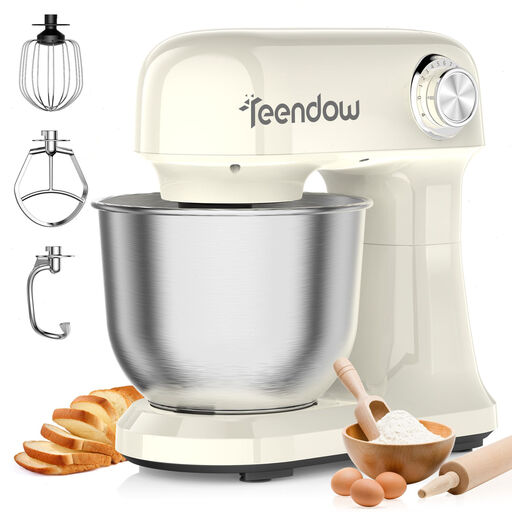 Image unavailable
This stand mixer is worth comparing if you want to adjust the speed; the product name alone doesn’t tell you whether the beater will reach your smallest batch.
The product name lists 12 speeds, a tilt-head design and a 5 qt stainless steel mixing bowl.
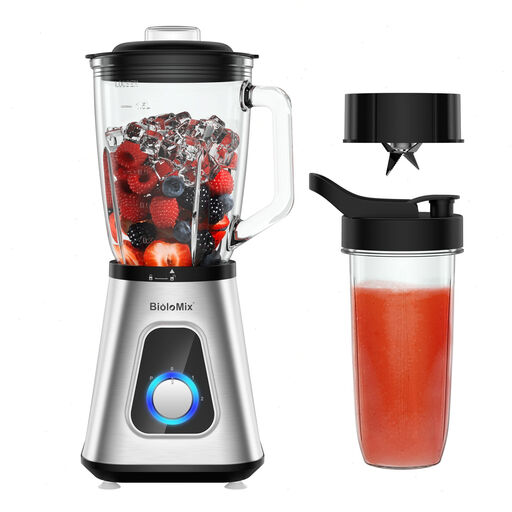 Image unavailable
Compare this model if you’re considering other mixing tasks as well as dough preparation; check which parts suit the way you plan to use it.
The product name lists a 1.5-litre glass bowl, a 600 ml plastic bottle and 1300 W of power.
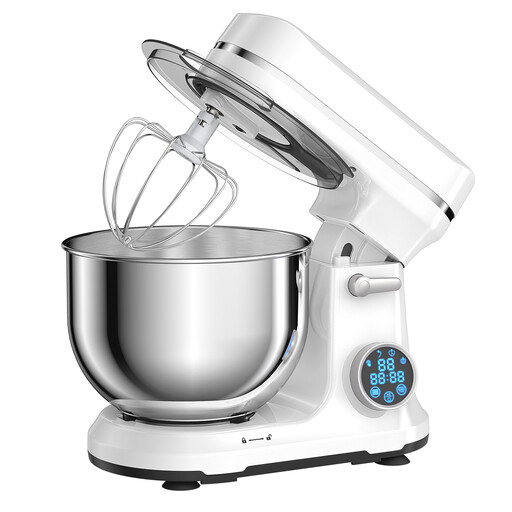 Image unavailable
This model may be worth comparing if you want to tackle other mixing tasks as well as dough; the listed features don’t tell you the smallest batch it can handle.
The product name lists a 5-litre bowl, 1200 W of power, 11 speeds and an OLED touchscreen.
 Image unavailable
Consider this model if you’re looking for other kitchen functions as well as dough preparation; check which parts are included with this version.
The product name lists a food processor, stand mixer, blender, juicer, meat grinder and chopper.
No, not to make the pastry. A stand mixer may still come in handy for other recipes that you mix or whisk yourself.
No. King Arthur Baking describes using a flat beater for the initial dough; creating the layers of butter by rolling and folding is a separate step.
In the Netherlands, the seller is responsible for providing a remedy for a faulty product, according to the national government; there is no fixed statutory two-year guarantee. For eligible online consumer purchases, you usually have a 14-day cooling-off period. Check the seller and the terms and conditions for your specific purchase.
The Netherlands Food and Consumer Product Safety Authority (NVWA) classifies kitchen appliances as electrical equipment subject to statutory requirements. The national government states that electronic appliances in the EU must carry a CE mark. For a specific offer, check the product identification and safety information.