
Small-cake baker
You usually make one small orange cake and want the beater and bowl to work well together, even with a small amount of batter.


If you regularly make small batches of orange cake batter and want to mix hands-free, only choose a stand mixer after checking that the mixing attachment reaches the amount you usually make. The bowl capacity or maximum stated cake weight won’t tell you the smallest batch it can mix properly. A hand mixer may also suit you if you only make a small cake occasionally, especially if space is limited. Remember to check the details for the specific model you’re considering.
You usually make one small orange cake and want the beater and bowl to work well together, even with a small amount of batter.
You want to mix without holding the appliance, but need to be able to fit it under a cupboard or in a limited storage space.
You make both small cakes and larger recipes, and are weighing up extra capacity and attachments against the appliance’s size and the washing-up.
Start by checking whether the mixing attachment reaches the small batch you usually make. Then consider your available workspace, the other recipes you bake, and how much storage and cleaning you’re happy to take on.
| What to consider | What should you check? | Who is this important for? |
|---|---|---|
| Reach with small batches | Compare the quantity in your recipe with the bowl and mixing attachment; check whether it picks up the batter at the bottom. | I usually want to make one small cake and don’t want ingredients left at the bottom. Around 36% of consumers prioritise mixing small batches. |
| Workspace and storage | Measure the available height, width and depth; also allow space to move the head and reach the bowl. | My kitchen has limited free space, so I want to be able to use and store the mixer without it becoming awkward. Around 29% of consumers focus mainly on the space available. |
| Other baking recipes | Check which whisk, beater and dough hook are included with the exact model. A maximum cake quantity doesn’t prove that it will mix a small batch well. | I make other things as well as small cakes and want to know which attachments are suitable. Around 21% of consumers prioritise versatility and capacity for other recipes. |
| Use and cleaning | Weigh up holding a mixer yourself against mixing hands-free, and read the cleaning instructions for the specific parts. | I don’t bake all the time, so I want to consider storage and washing-up before choosing a stand mixer. Around 14% of consumers focus mainly on ease of use, storage and cleaning. |
A stated maximum doesn’t tell you whether the mixing attachment reaches the ingredients at the bottom of the bowl when you’re making a small batch. KitchenAid also explains that a beater set too high may miss ingredients.
Compare the mixer with the quantity in your own recipe, and check during the first use that it picks up the batter.
A stand mixer works without you having to hold it, but it takes up space and you’ll need to clean the bowl and attachment. A hand mixer is another option for small batches.
Think about how often you bake and whether hands-free mixing is worth the storage and cleaning for you.
According to the Dutch government, you have rights against the seller if a product is faulty; the Netherlands has no fixed statutory guarantee period.
Check what additional cover a service plan offers and compare it with your existing statutory rights before deciding whether to buy it.
KitchenAid describes the Mini 5KSM3311X as a compact stand mixer with a tilt-head design and a 3.3 L bowl.
Kenwood positions the Go KZM35.000RD for kitchens with limited space; the manufacturer lists a 4 L bowl and dimensions of 38 × 23 × 30 cm.
Bosch lists a 3.8 L bowl for the Serie 2 MUMS2EW00, along with a patisserie set comprising a whisk, beater and kneading hook.
Bourgini lists a 4.5 L bowl for the Elements Kitchen Chef, along with a beater, whisk and dough hook.
These Joybuy picks are stand mixers for cake batter. Check whether the mixing attachment on each model reaches the small batch you usually make; a larger bowl doesn’t prove that it will.
 No image available
The stated bowl capacity may suit you if you also make larger baking recipes; it doesn’t confirm whether the mixer handles a small batch well.
The product name lists a 5.5 L bowl, 11 speeds and a 4.5-inch LED touchscreen.
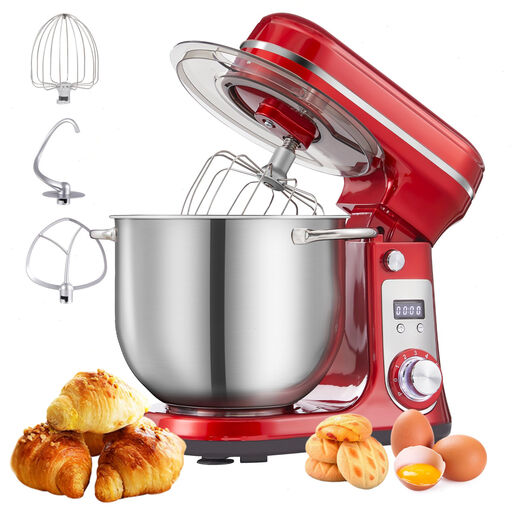 No image available
The bowl capacity may suit you if you also make larger quantities, but it doesn’t tell you whether the mixer can handle a small batch.
The product name lists a 6 L bowl, a 1200 W motor, six speeds, a pulse function and an LCD display.
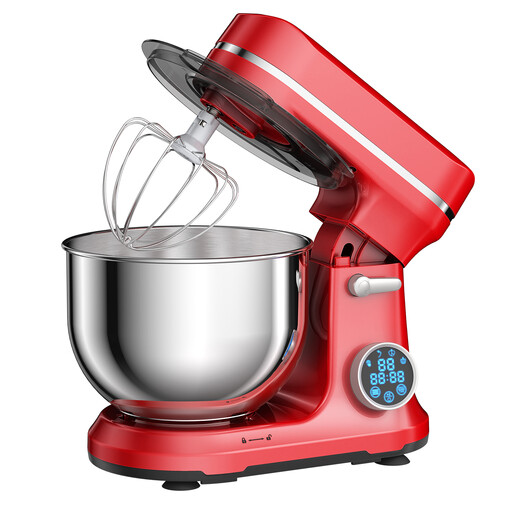 No image available
The stated capacity and adjustable speeds are worth considering if you also make other recipes; check separately whether the mixing attachment reaches a small batch.
The product name lists a 5 L bowl, 11 speeds, an OLED touchscreen and removable, dishwasher-safe parts.
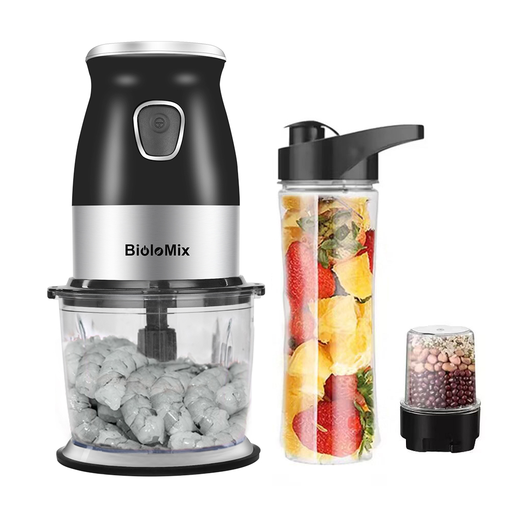 No image available
This stand mixer is worth comparing if you’re looking for an appliance for cake batter; check that the bowl and mixing attachment suit the small quantity in your recipe.
The product name lists a 500 W motor, stainless steel blades, a metal drive and a bowl.
 No image available
An option to compare if you want to mix hands-free in a limited space. Measure the available room and check whether the mixing attachment reaches your small batch.
The product name lists model KZM35 and the colour grey.
For standard cake batter, KitchenAid describes the flat beater as suitable; the wire whisk is designed to whisk ingredients such as eggs and sponge cake batter until light and fluffy. Also follow your recipe and the instructions for your exact mixer.
Stop the mixer and check whether the mixing attachment is reaching the ingredients. KitchenAid describes how to adjust the clearance between the beater and bowl on tilt-head mixers. Unplug the mixer before making adjustments, and don’t assume these instructions apply to another brand.
Not necessarily: follow the recipe instructions and keep an eye on the batter as it mixes. KitchenAid advises adjusting the mixing time according to how the mixture looks; for some cakes, overmixing or undermixing can affect the texture.
According to the Dutch government, you’re entitled to a product that works properly and should contact the seller if it’s faulty. The Netherlands has no fixed statutory guarantee period; a manufacturer’s guarantee or an additional plan you buy comes on top of your statutory rights. Check what extra cover the plan offers before deciding whether to buy it.
According to the Netherlands Food and Consumer Product Safety Authority, CE marking is compulsory for electrical products, including kitchen appliances. CE marking is not an independent quality mark and, by itself, doesn’t confirm that an individual item on sale meets all the requirements.