
Bakers who want to mix shortcrust pastry precisely
You want to mix cold butter briefly into the flour and stop as soon as the dough comes together, rather than treating it like bread dough.


For shortcrust pastry, choose a mixer with a suitable flat beater or K-beater and a low speed, so you can mix briefly rather than kneading the dough for a long time. Compare the flour quantity in your recipe with the guidance for the exact model and type of preparation. Also measure the space you’ll need while using and storing the mixer, and consider which parts you’ll need to clean after baking.
You want to mix cold butter briefly into the flour and stop as soon as the dough comes together, rather than treating it like bread dough.
You share your worktop and need to be able to put the mixer, bowl and attachments away after use. So measure both the machine and the space you’ll need to use it.
If several people use the machine, removable parts and a clear cleaning routine become especially important.
First, choose a beater and low speed suited to brief mixing. Then check the recipe quantity, the space available and how easy the parts are to clean.
| What to consider | What to look for when buying | Who is this important for? |
|---|---|---|
| Control when mixing briefly | Check whether a flat beater or K-beater is included and whether the machine has a low-speed setting. | I want to mix cold butter briefly into the flour and stop as soon as the dough comes together. Around 36% of consumers prioritise control when mixing briefly. |
| Space for use and storage | Measure the width, depth and height, the clearance needed for the bowl or head, and the space for loose parts. | If I share my worktop, the mixer needs to fit while I’m using it and be easy to put away afterwards. Around 29% of consumers say space is their top buying priority. |
| Suitable recipe quantity | Compare the flour weight in your recipe with the model-specific guidance for shortcrust pastry; bowl capacity and dough weight are different measurements. | I want to make my usual recipe in one go, so I compare the recipe quantity with the right model specification. Around 21% of consumers put portion size first. |
| Cleaning and sharing | Check which parts are removable and dishwasher-safe, and where you’ll store all the attachments. | If several people use the mixer, I want to be able to clean the bowl and attachments after baking and put everything back in its place. Around 14% of consumers give cleaning and sharing top priority. |
Shortcrust pastry needs the right mixing method and only a brief mix. Bowl capacity doesn’t tell you how much flour a particular model can handle for this recipe.
Compare the instructions for the exact model with the flour weight in your recipe. Don’t assume guidance for yeast dough or cake batter also applies to shortcrust pastry.
The bowl, attachments and movement of a tilting head also need space.
Measure the space where you’ll use the mixer and the space where you plan to store the complete set after baking.
If the mixer only fits temporarily, you may need to clear space elsewhere for the complete set.
In its sweet shortcrust pastry recipe, KitchenAid gives a standard beater as an alternative to a pastry beater; accessories vary by model.
First check which beater is included and whether a separate attachment is compatible with your exact model.
An extra attachment also means another part to store.
The Go KZM35.000GY is worth considering if you’re looking for a compact stand mixer with a K-beater for shortcrust pastry.
The MUM Series 2, particularly the MUMS2EW00, is worth comparing if you’re looking for a compact machine with a patisserie set.
The Artisan 5KSM125EER is worth considering if you make other types of bakes as well as shortcrust pastry and have space for a larger bowl.
This selection includes stand mixers with a range of bowl sizes and attachments. Compare the listed accessories and specifications with your shortcrust pastry recipe and the space you share.
 No image available
The listed dough hook and beater make this model worth comparing for dough preparation; check whether the attachments are suitable for your shortcrust pastry recipe.
The product name lists a 5-litre stainless steel bowl, 10 speeds, 600 W, a whisk and a splash guard.
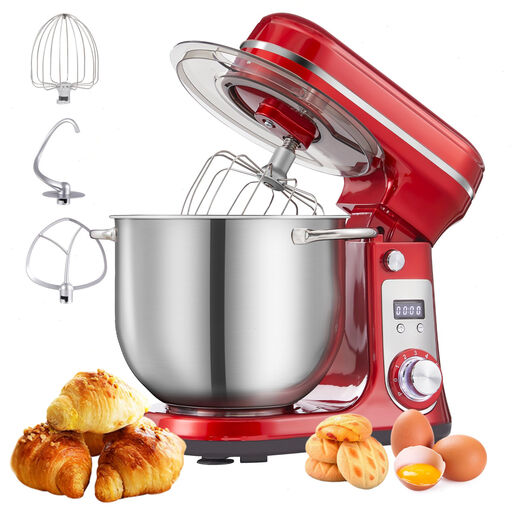 No image available
The tilting head gives you access to the bowl. Before choosing a spot, check the clearance needed above and behind the machine.
The product name lists a 6-litre bowl, a 1200 W motor, an LCD screen with timer, six speeds and a pulse setting.
 No image available
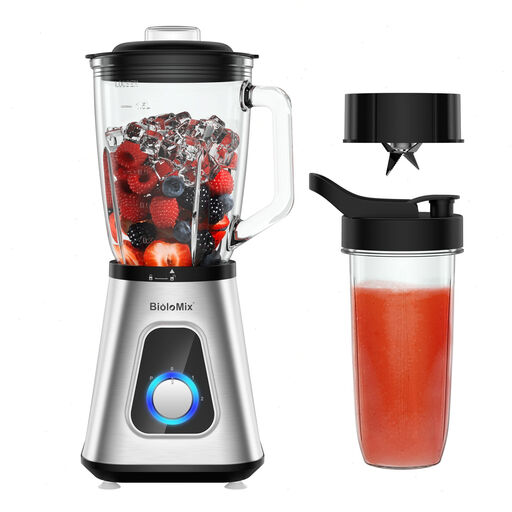
The product information mentions dough preparation and other uses. Check which attachments are included and whether they’re suitable for your shortcrust pastry recipe.
The product name lists a 1.5-litre glass bowl, a 1300 W motor, removable blades, a 600 ml bottle and a self-cleaning function.
 No image available
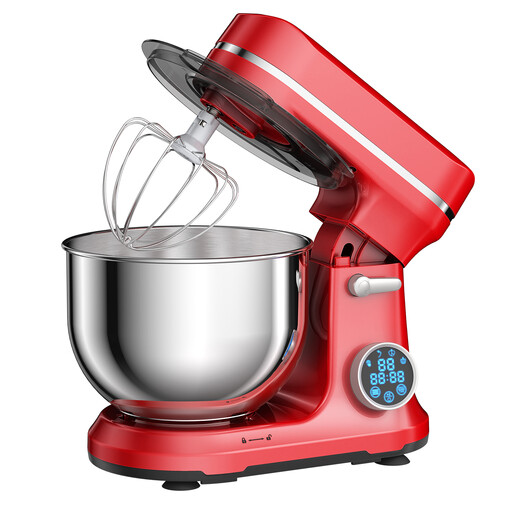
The 11 listed speeds give you a range of settings to compare; check the manual to find the right one for your recipe.
The product name lists a 5-litre bowl, planetary mixing action, a 1200 W motor, an OLED touchscreen and 11 adjustable speeds. Check which parts are dishwasher-safe.
 No image available
The listed dough hook and beater make this model worth comparing for dough preparation; check the instructions for your shortcrust pastry recipe.
The product name lists 10 speeds, a tilting head and a black finish. The description mentions a 5-litre stainless steel bowl and a pulse function.
Follow the recipe instructions for your exact model rather than automatically reaching for the dough hook first. Kenwood recommends a K-beater and low speed for its shortcrust pastry recipe; for sweet shortcrust pastry, KitchenAid suggests a pastry beater or standard beater and a brief mix. The Consumers’ Association describes the dough hook as being for kneading bread dough for longer.
Follow the instructions for your exact model when cleaning it and handling moving parts. Bosch says the MUMS2EW00 has dishwasher-safe accessories; don’t immerse the motor housing. After use, check that the bowl and attachments are clean, dry and complete before putting them away.
If a product is faulty, contact the retailer to find a solution. According to the Dutch government, the Netherlands has no fixed statutory guarantee period; a manufacturer’s guarantee is in addition to your legal right to a product that works properly. For a standard online purchase from a business, you’ll generally have 14 days to change your mind, subject to legal exceptions.
Kitchen appliances are subject to Dutch rules for electrical equipment. The Netherlands Food and Consumer Product Safety Authority says that appliances designed for the standard mains voltage of 230 V must meet the legal requirements for electrical equipment. For appliances covered by the relevant harmonised EU rules, CE marking is a declaration made by the manufacturer, not independent approval from a central EU body, as the European Union explains. Parts that come into contact with food must also be safe for that use.