Choose a mixer with a suitable attachment and a capacity that suits your recipe. For pear tart pastry, the recipe calls for mixing quickly until the dough comes together. If you need to move or store the mixer after use, its dimensions, weight and ease of cleaning matter; a larger model is worth considering mainly if you’ll use it for other bakes too.
Who is this buying guide for?
Pear tart baker with limited space
You want to mix pastry dough, but need to clear the mixer from the shared worktop after use. Allerhande’s pear tart recipe calls for bringing the dough together quickly, so compare the suitable attachment and the recipe’s flour quantity with the specifications for the exact model.
Shared mixer user
You share the bowl and attachments with others and want to know what needs cleaning after use. The Netherlands Nutrition Centre recommends using clean equipment to help prevent cross-contamination; check the cleaning instructions for each part too.
Versatile home baker
You make other bakes as well as pear tart and want to weigh up the included attachments and capacity against the space the mixer takes up. The Consumers’ Association describes food mixers as designed for baking, so consider which tasks and accessories are genuinely useful for your household.
What should you look for when choosing?
Compact stand mixer
Best for: a shared kitchen with limited worktop or storage space, provided you check the dimensions and weight of the exact model in advance.
The trade-off: bowl capacity and stated flour limits alone don’t tell you how well a mixer handles small quantities or pear tart pastry.
Larger all-round stand mixer
Best for: households that make other bakes as well as tart pastry and will actually use the extra capacity or attachments.
The trade-off: larger or heavier models take up more space and can be harder to put away after use.
Food processor or mixing by hand
Best for: anyone who occasionally makes a small tart case or also wants to slice and grate; the pear tart recipe reviewed doesn’t require a stand mixer.
The trade-off: according to the Consumers’ Association, a food processor is mainly suited to slicing, grating and chopping, but can also handle a small amount of light dough briefly.
| Buying concern |
What to check before buying |
Who is this important for? |
| Mixing tart pastry |
Check which mixing attachment is included and compare the amount of flour in your recipe with any stated limit for pastry on the exact model. Allerhande describes the dough for pear tart as needing to be brought together quickly. |
I want to mix the dough briefly, rather than assume it needs a long bread-dough cycle. Around 29% of consumers say getting the right dough handling is their main buying concern. |
| Worktop space and storage |
Compare the height, width, depth and weight separately; also allow space to position the bowl. |
If I have to move the mixer every time, I want to know in advance whether it will fit on the worktop and in my storage space. Around 29% of consumers prioritise space and storage. |
| Cleaning between users |
Check the cleaning instructions for each bowl and attachment, and don’t assume everything is dishwasher-safe. The Netherlands Nutrition Centre recommends using clean equipment to help prevent cross-contamination. |
I share the mixer and want to be able to clean the bowl and attachments properly between users. Around 24% of consumers say clean shared use is their main buying concern. |
| Extra uses and maintenance |
Compare the attachments included with the exact model against the bakes you make, and weigh them against the storage space and cleaning they require. |
If I want to use the mixer for other bakes too, I want to know whether its extra features suit the way I’ll use it. Around 18% of consumers say versatility and the maintenance it involves are their main buying concern. |
Common buying mistakes
-
Assuming a dough hook or high wattage means you should knead tart pastry for a long time
Allerhande’s pear tart recipe calls for bringing the dough together quickly. Advice for bread dough doesn’t automatically apply to tart pastry.
Choose based on the attachment and the quantity in your recipe. Follow the recipe and the model’s instructions for mixing time.
-
Looking only at the bowl capacity
Bowl capacity doesn’t tell you how large or heavy the mixer is, or how much flour the manufacturer recommends for pastry.
Compare the recipe quantity, any flour limit, the dimensions and the weight separately.
-
Assuming all shared attachments are dishwasher-safe
The Consumers’ Association notes that accessories aren’t always dishwasher-safe. In a shared kitchen, cleaning may therefore require some extra hand-washing.
Check the cleaning instructions for each part and agree who will clean up after use.
Brands and models to consider
Kenwood
The Go model reviewed is a compact option; the kMix is a larger model for anyone who also makes other bakes.
- For the Go KZM35.000RD, Kenwood lists a 4-litre bowl, a K-beater and a maximum of 0.5 kg of flour for pastry. For the kMix KMX750AWH, Kenwood lists a 5-litre bowl.
- According to Kenwood, the kMix weighs 9.26 kg. These manufacturer specifications aren’t a direct comparison of how the models perform with pear tart pastry.
Bosch
The Serie 2 MUMS2EW00 reviewed has a 3.8-litre bowl and a patisserie set; the MUM58231 comes with more accessories.
- Bosch lists dimensions of 266 × 266 × 277 mm, a weight of 4.4 kg and dishwasher-safe accessories for the MUMS2EW00.
- According to Bosch, the MUM58231 weighs 7.2 kg and includes a vegetable slicer and meat mincer, among other accessories. Check whether you need them and where you can store them; these specifications aren’t a comparative baking test.
KitchenAid
The Artisan 5KSM125EBM reviewed comes with attachments for a range of baking tasks.
- KitchenAid lists a 4.7-litre bowl, a beater, a whisk and a dough hook for this model.
- The attachments don’t tell you how well the mixer handles pear tart pastry specifically. Also check the applicable warranty and repair terms.
Joybuy products for tart pastry
This Joybuy selection features stand mixers for mixing batters and dough. For each model, compare the suitable attachment, the quantity in your recipe and the space the mixer takes up.
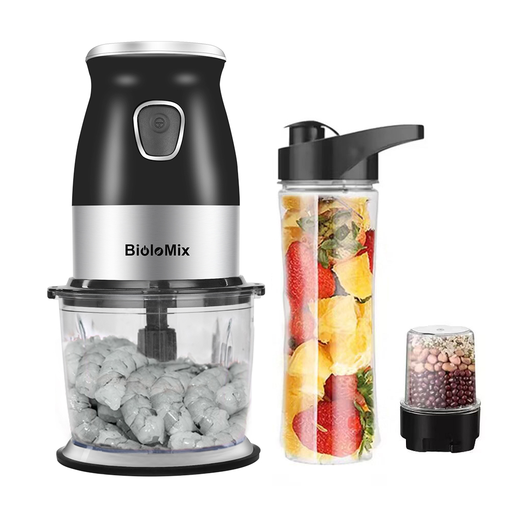 Image unavailable
BioloMix BM816 stand mixer
If you want to mix batter, check which mixing attachment and bowl are included with this model.
The product name lists a power rating of 500 W.
View at Joybuy
 Image unavailable
AUCMA stand mixer, 5 L, 10 speeds
The product name lists a beater, dough hook and whisk; check that these attachments are suitable for the recipes you want to make.
The product name lists a 5 L bowl and a 400 W motor.
View at Joybuy
 Image unavailable
Bear Intelligent Dough Maker, 5 L
The product name describes automatic kneading. For pear tart pastry, follow the recipe and instructions rather than assuming it needs a long bread-dough cycle.
The product name lists a dough capacity of 2.5 kg.
View at Joybuy
 Image unavailable
Kenwood Go KZM35, grey
This model is categorised as a compact stand mixer. Check that the grey version, with its included parts, fits on your worktop and in your storage space.
The product name lists model KZM35.
View at Joybuy
 Image unavailable
Monsga SM100, 5.0 L
The product name lists a flat beater and a dough hook; check which accessories are included with this model and how they should be cleaned.
The product name lists a 5.0 L bowl, eight speeds and 1000 W peak power.
View at Joybuy
Frequently asked questions
Which beater should you use for a pear tart case?
Start by following the recipe and your mixer’s instructions. Allerhande’s pear tart recipe calls for mixing and kneading quickly until the dough comes together; that’s not the same as kneading bread dough for a long time. Check that the mixer has a suitable attachment and stop when the recipe says to.
How do you clean a mixer in a shared kitchen?
Clean the bowl, attachments and work surface between users, and wash your hands. The Netherlands Nutrition Centre recommends using clean equipment to help prevent cross-contamination. Check the instructions before putting parts in the dishwasher, as they may differ from one part to another.
Are you always limited to a two-year warranty on a stand mixer in the Netherlands?
No. According to the Dutch government, statutory warranty in the Netherlands has no fixed term: you’re entitled to a product that meets what you could reasonably expect, and the retailer is your point of contact if there’s a problem. A manufacturer’s warranty or additional cover you buy may be available on top; read the terms before paying for it.
Is CE marking required for an electric stand mixer in the Netherlands?
The Netherlands Food and Consumer Product Safety Authority (NVWA) states that CE marking is compulsory for electrical products and gives kitchen appliances as an example of electrical equipment. The NVWA also says that testing electrical products isn’t compulsory, so a CE mark doesn’t mean the NVWA has independently tested every model in advance.
Can you return a mixer bought online?
According to the Dutch government, when you buy from a business at a distance, you’ll usually have a 14-day cooling-off period, subject to exceptions and conditions. Check the retailer’s returns policy too. The cooling-off period and statutory warranty are separate rights.


