
Baking a large celebration cake
You’re making a large batch of batter and comparing the quantity in your recipe with the cake batter capacity stated by Bosch or Kenwood, rather than looking only at the bowl’s capacity in litres.


Choose a stand mixer based on how much batter your recipe makes and the cake batter capacity stated by the manufacturer for the exact model. Comparing bowl capacity alone isn’t enough. Also check whether the included beater and, if needed, the whisk are suitable for the steps in your recipe, and only pay for extra features you’ll use.
You’re making a large batch of batter and comparing the quantity in your recipe with the cake batter capacity stated by Bosch or Kenwood, rather than looking only at the bowl’s capacity in litres.
Your recipe may call for both mixing the batter and whisking egg whites separately. In its orange cake recipe, KitchenAid uses a wire whisk for the egg whites and recommends a flat beater for cake batter.
You’re weighing up whether built-in scales and extra features suit how often you bake and the space you have for the machine. Bosch and Kenwood offer models with a weighing function, but features vary by model.
First, check how much batter your recipe makes and the capacity of the exact model. Then look at the attachments and features that suit your recipe and kitchen.
| What to consider | What to look for | Who is this important to? |
|---|---|---|
| Capacity for party-sized batches | Work out how much batter your recipe makes and compare it with the cake batter capacity stated for that exact model. | If I’m baking a large cake for a family celebration, I want to know whether the full quantity in the recipe fits within the stated capacity. Around 36% of consumers focus mainly on batter capacity. |
| The right mixing attachment | Check which attachments are included and whether your recipe calls for a beater, whisk or another attachment. | If my recipe calls for both mixing the batter and whisking egg whites separately, I want the right attachment for each step. Around 29% of consumers prioritise mixing steps and attachments. |
| Weighing as you bake | Check whether the exact model code includes integrated scales and whether they suit the way you work. | If I like to weigh ingredients as I prepare them, I want to know whether built-in scales could replace a separate weighing step. Around 21% of consumers focus mainly on weighing convenience. |
| Space and features you won’t use | Measure the space where you plan to keep the machine and compare its features with what you’ll actually use. | If I have limited worktop or storage space, I don’t want to choose an appliance that takes up more room than necessary. Around 14% of consumers prioritise space and simplicity. |
Bowl capacity in litres and the stated quantity of cake batter are two different specifications. Bosch lists a 3.9-litre bowl and a maximum of 2.7 kg of cake batter for the MUM5X720; Kenwood lists a 5-litre bowl and a cake capacity of 2 kg for the KVC65.001WH. These are specifications for different models, not the results of a comparative performance test.
Compare the quantity in your recipe with the capacity stated by the manufacturer for your exact model.
The MUM5 models reviewed have a stated cake batter capacity; whether they include integrated scales depends on the model variant.
According to Kenwood, the Titanium Chef Baker KVC65.001WH combines a weighing function with stated cake batter capacity specifications.
The Artisan 5KSM125EMH is an option to consider if its included beater and wire whisk suit the different steps in your recipe.
The SMF03DGEU is a stand mixer with planetary mixing action, supplied with a whisk and flat beater.
These Joybuy stand mixer picks are designed for mixing cake batter, with a range of bowl sizes, attachments and weighing features.
 No image available
The product title mentions a beater and whisk, suitable for mixing batter and whisking ingredients.
The product name specifies a 5 L stainless steel bowl, 10 speeds and 600 W, with a beater, dough hook, whisk and splash guard.
 No image available
The product name lists a dough hook, whisk and beater. Check that the included attachments suit your recipe.
The title specifies a 5 L bowl and a 400 W motor. The product information states a maximum operating time of 30 minutes.
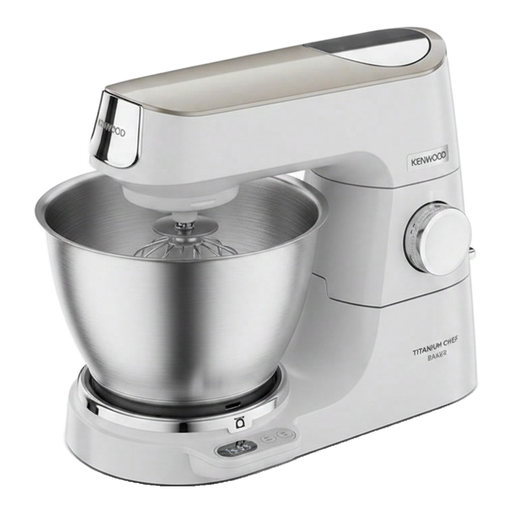 No image available
This model is worth considering if you want to mix batter and weigh ingredients as you bake.
Kenwood lists a 5-litre bowl, a cake capacity of 2 kg, a weighing function, a K-beater and a balloon whisk. A recipe that makes more than 2 kg of batter exceeds the stated cake capacity.
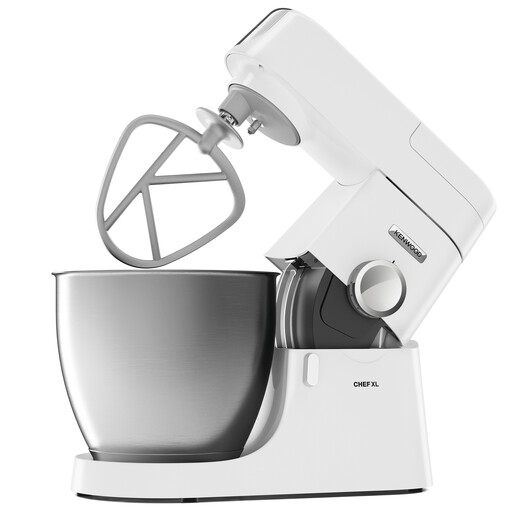 No image available
Worth a look if you’re after one machine for different preparation steps, including mixing and whisking.
 No image available
The product name mentions a flat beater for cake batter and a whisk for whipping.
The title specifies a peak power of 1000 W and a 5.0 L stainless steel bowl. When choosing a batch size, bear in mind the difference between the recommended and maximum bowl capacity stated in the product information.
For ordinary cake batter, KitchenAid recommends using the flat beater. If your recipe calls for egg whites to be whisked separately, KitchenAid’s orange cake recipe uses a wire whisk for this step. Follow the recipe and check which attachments are included.
Compare the dimensions of the exact model variant with the space available on your worktop and in your cupboards. Also leave room to fit the bowl and move the arm. A machine’s external dimensions aren’t the same as the clear space you’ll need to use it.
Voedingscentrum advises against tasting raw cake batter because raw eggs and flour may contain harmful bacteria. Wash your hands after handling raw ingredients. Young children, pregnant people, older adults and anyone with a weakened immune system are particularly vulnerable.
Voedingscentrum says an ordinary cake will keep for seven days in a kitchen cupboard if it’s well wrapped to stop it drying out. Check storage advice separately for cakes with, for example, a perishable filling or topping; they may not keep for the same length of time.
In the Netherlands, the seller is responsible for the statutory guarantee if a product doesn’t meet what you could reasonably expect, according to the Authority for Consumers and Markets (ACM). The remedy may be a free repair or replacement, and sometimes a refund. A commercial manufacturer’s guarantee doesn’t automatically replace your statutory rights.
According to Ondernemersplein, after assessing the applicable European requirements, the manufacturer must apply the CE marking and draw up an EU declaration of conformity. Check the product information for the exact model variant; a general product listing on its own doesn’t establish that every item offered meets the requirements.