
Weekend baker making biscuit dough
You mainly want to mix butter, sugar, flour and oats for your usual biscuit recipe. So first, check which attachment is intended for biscuit dough.


Start with a stand mixer that includes a flat beater suitable for biscuit dough, then compare your recipe’s dough limit with the stated capacity. For a typical weekend batch, available worktop space and ease of use may matter more than a larger bowl. For bigger batches or other baking, the processing limit and included attachments become more important. Before buying, check the exact model and the applicable electrical compliance information.
You mainly want to mix butter, sugar, flour and oats for your usual biscuit recipe. So first, check which attachment is intended for biscuit dough.
You bake several trays at once and compare the maximum dough load with the total amount in your recipe, rather than looking at the bowl capacity alone.
You want to keep your mixer out on the worktop while leaving enough room to fit and remove the bowl, and to store it away.
For a weekend batch of oat biscuits, the right mixing attachment, the processing limit for your recipe and the space available are the key things to consider.
| What to consider | What should you check before buying? | Which consumers pay particular attention to this? |
|---|---|---|
| Attachment for biscuit dough | Check whether a flat beater for biscuit dough is included. Also check whether any flex beater is compatible with the exact model. | If I mainly bake oat biscuits, I want to know whether the included attachment is suitable for the dough. Around 33% of consumers prioritise having the right attachment for biscuit dough. |
| Batch size and dough load | Weigh the ingredients in your usual recipe and compare the amount with the stated limit for the relevant type of dough. | When baking several trays, I want to compare the weight of my recipe with the dough limit. Around 27% of consumers prioritise batch size and dough load. |
| Worktop space and cleaning | Measure the space for the mixer, including room to remove the bowl. Also check the cleaning instructions and whether you need to scrape the bowl during mixing. | With limited worktop space, I want to be able to position the mixer and remove the bowl. After baking, I want to know how much cleaning is involved. Around 20% of consumers prioritise worktop space and cleaning. |
| Purchase and aftercare | Check which attachments are included in the box and review the seller’s terms for accessories, servicing and repairs. | If I want to use the mixer for other baking too, I want to know which attachments are included and where to go for servicing. Around 20% of consumers prioritise purchase and aftercare. |
Litres and maximum dough capacity are two different things. Bosch lists a 3.9 L bowl and a maximum of 2.7 kg of dough for the MUM5XW20; that figure does not specify a separate limit for oat biscuit dough.
Compare the weight of your recipe with the model-specific limit for the relevant type of dough.
Manufacturers distinguish between a flat beater for batters and a dough hook described as suitable for bread dough. The attachments included vary by model.
Check what is in the box and read the instructions before buying an accessory.
If the right attachment is not included, you may need to buy it separately.
Kenwood says that a standard K-beater does not touch the sides of the bowl. Ingredients on the sides may therefore need attention during mixing.
Keep a spatula handy and switch off the mixer before scraping dough from the sides of the bowl.
The Go KZM35.000GY is a specific model you can use to compare dimensions, bowl capacity and the included K-beater.
The MX-4817 is an example of a stand mixer with a 5 L bowl and separate attachments.
The Artisan 5KSM125EER is worth considering if you’re also looking at other recipes and accessories alongside biscuits.
The MUM5XW20 is worth considering if you want to compare a model with published processing capacity details.
These stand mixers are designed for mixing or preparing dough. Compare the listed bowl details and attachments with your recipe; these details do not automatically confirm a maximum quantity of oat biscuit dough.
 No image available
The product information mentions mixing and making biscuits; check the dough limit for your recipe.
Listed details: 5,5 L bowl, 11 speeds and a 4,5-inch touchscreen.
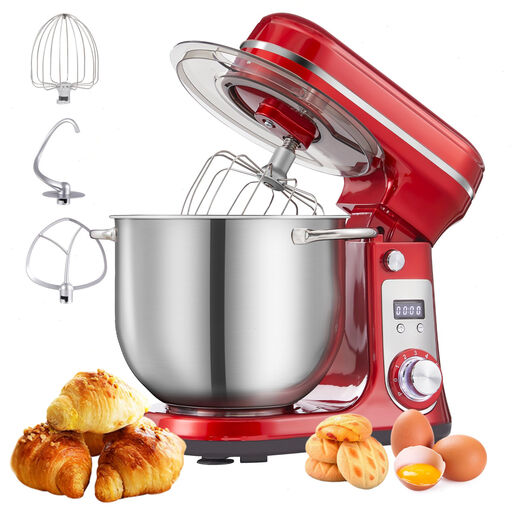 No image available
The product description mentions mixing and kneading; compare the bowl details with your usual batch size.
Listed details: 6 L bowl, 1200 W, LCD screen, timer and 6 speeds plus a pulse setting. Check whether the dough limit suits your recipe.
 No image available
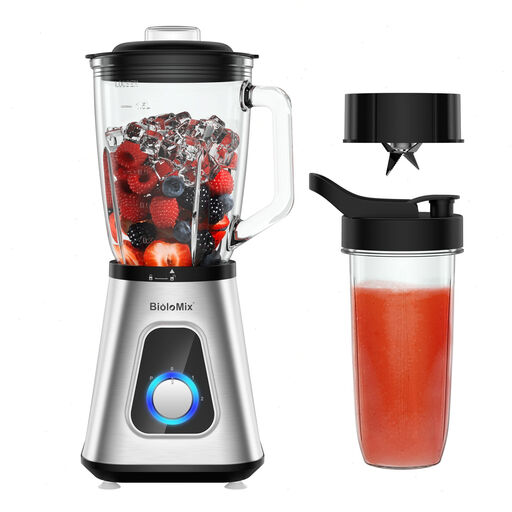
The product description mentions batter and stiff dough; check whether the stated bowl details suit the quantity you need.
Listed details: 1,5 L glass bowl, 600 ml bottle and 1300 W motor. The product information does not state a maximum amount of oat biscuit dough.
 No image available
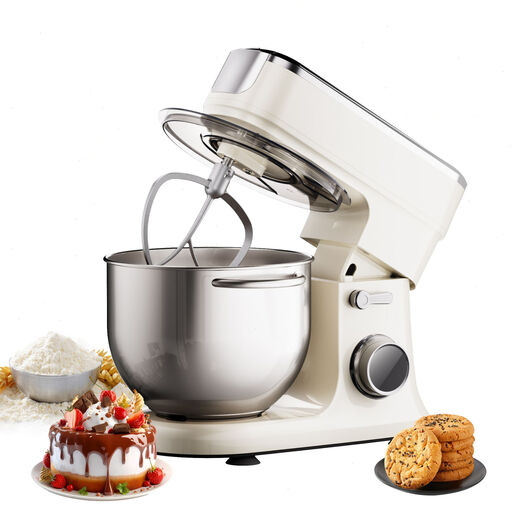
The product information mentions mixing and preparing dough; compare the maximum dough quantity with your recipe before choosing.
Listed details: 7 L bowl, 1200 W DC motor, OLED touchscreen and adjustable speeds. The bowl and accessories are described as dishwasher-safe.
 No image available
The product description mentions the K-beater for biscuit dough and also lists other included attachments.
Listed details: 6,70 L bowl, K-beater, whisk and dough hook. Kenwood says that a standard K-beater does not touch the sides of the bowl, so bear in mind that you may need to scrape them during mixing.
Start with a suitable flat beater. KitchenAid says its flat beater is suitable for biscuit dough, while Tristar describes the MX-4817’s dough hook as being for bread dough. Always follow the instructions for your exact model and recipe too.
Not with a standard Kenwood K-beater: Kenwood says it must not touch the sides of the bowl, as this could damage the attachment and the bowl. If needed, pause to scrape the bowl with a spatula, and switch off the mixer first.
No. According to the Dutch government, there is no fixed statutory guarantee period in the Netherlands; you can expect a product to last for a reasonable length of time. If there is a fault, contact the seller for a solution.
For a standard online consumer purchase, ACM ConsuWijzer says you generally have up to 14 days from delivery to change your mind. Exceptions apply, so check the relevant terms if your purchase may be subject to them.
According to the Netherlands Food and Consumer Product Safety Authority, electrical equipment covered by the Dutch Electrical Equipment Decree must carry a CE mark. The low-voltage rules mentioned apply to a rated AC voltage of 50 V to 1000 V. Check the rating plate and conformity information for the exact model.