
Savoury tart baker
You mainly want to mix butter and flour for pastry. Look for a suitable flat beater or K-beater, and consider the portion size. The KitchenAid Netherlands quiche recipe we consulted starts with a flat beater.


For pastry, a flat beater or K-beater is important for mixing butter and flour; in the quiche recipe we consulted, the dough hook is used at a later stage. A stand mixer is a good choice if you often make dough, batter or fillings and have room for it. For a one-off tart, mixing by hand or using a food processor may make more sense. Compare the dough capacity and the attachments supplied, and check the CE marking and requirements for food-contact parts for the exact model.
You mainly want to mix butter and flour for pastry. Look for a suitable flat beater or K-beater, and consider the portion size. The KitchenAid Netherlands quiche recipe we consulted starts with a flat beater.
You want to keep baking after your visit, but you need to be able to position and store the mixer. Compare the dimensions of the exact model with the space you have at home.
You also want to use the mixer for batter or whisking tart filling. Check which beater and whisk come with the model you choose; accessories can vary between models.
Suitable if: you often make pastry, batter or fillings and want to use interchangeable attachments.
Trade-off: you’ll need worktop or storage space. Bowl capacity alone doesn’t tell you how well a small portion will mix.
Suitable if: as well as light pastry, you mainly want to slice, grate or chop leeks and other ingredients. The Consumers’ Association describes these as food processor tasks.
Trade-off: according to the Consumers’ Association, a food processor doesn’t automatically replace all the mixing and kneading functions of a stand mixer.
Suitable if: this is likely to be a one-off tart and you don’t have an ongoing need for an electric appliance.
Trade-off: you avoid adding another appliance, but do the mixing yourself.
Start with the first pastry-making step in your recipe. Then decide whether you’ll use the mixer often enough for other tasks to justify the space it needs.
| What to consider | What should you check? | Who is this important for? |
|---|---|---|
| Attachment for pastry | Check whether a flat beater or K-beater is included, and whether the dough hook is suitable for the next step in your recipe. | If I want to mix butter and flour for pastry, I first look for the attachment needed for that step. Around 38% of consumers say suitability for pastry is their top priority. |
| Space and portion size | Measure the space available and compare the mixer’s pastry flour capacity with the amount in your recipe. | If my worktop has little space, I want to know whether the mixer will fit and whether it can handle the portion in my recipe. Around 23% of consumers say space and portion size are their main considerations. |
| Other baking tasks | Check whether a whisk, beater and dough hook are included with the specific model. | If I also want to use the mixer for batter or filling, I look for the attachments needed for those tasks. Around 23% of consumers put versatility for other baking tasks first. |
| Use and servicing | Think about how often you’ll use the mixer, and read the warranty terms for the exact model. | If I only use the mixer now and then, I want to weigh up whether a separate appliance suits my routine and what the servicing involves. Around 16% of consumers put use and servicing at the top of their list. |
In the quiche recipe we consulted, the flat beater is used first to mix butter and flour; the dough hook comes into play later.
Compare what’s in the box with the steps in your own recipe, and check that any separate attachments fit the exact model.
If the flat beater you need isn’t included, you may have to buy one separately.
Bowl volume and the stated amount of pastry flour are two different specifications. For the Kenwood Go KZM35.000RD we researched, Kenwood states a maximum of 0.5 kg of flour; for the kMix KMX750ARD, it’s 680 g. These manufacturer figures don’t prove that a small portion will mix well.
Compare your recipe with the model specifications on a like-for-like basis. Check any conflicting product details for the same model before relying on them, too.
The Consumers’ Association distinguishes stand mixers for baking from food processors, which are used for tasks including slicing, grating and chopping.
Before choosing between these appliances, decide which task you most want to avoid doing by hand.
For slicing, you may also need a food processor or a compatible slicing attachment.
An extra warranty doesn’t replace your statutory rights. According to the Dutch government, there is no fixed statutory warranty period in the Netherlands; the seller must address a fault if the product doesn’t meet what you could reasonably expect.
Read what any additional cover actually includes, and contact the seller if there’s a fault.
The Go KZM35.000RD and kMix KMX750ARD have different stated bowl volumes and maximum pastry flour capacities.
Bosch describes the Serie 2 MUMS2VM00 as having a 3.8 l bowl and a patisserie set.
KitchenAid says the Artisan 5KSM125EMH has a tilt-head design and several attachments for mixing, kneading and whisking.
Smeg describes the SMF04CREU as a stand mixer with a 4.8 l bowl and several attachments included.
These Joybuy product picks are stand mixers for home baking, with details about dough preparation and included attachments where this information is available in the product listing. For the exact model, check the CE marking and whether parts that come into contact with food meet the applicable requirements; the Netherlands Food and Consumer Product Safety Authority (NVWA) outlines these product requirements.
 No image available
The product description mentions mixing and kneading dough, making it suitable for home bakers who also want to tackle other mixing tasks.
The product name lists a 5.5 l bowl and 11 speeds.
 No image available
The product name lists attachments for mixing and kneading dough, as well as a whisk for other mixing and whisking tasks.
The product name lists a 5 l stainless steel bowl, 10 speeds and a power rating of 600 W.
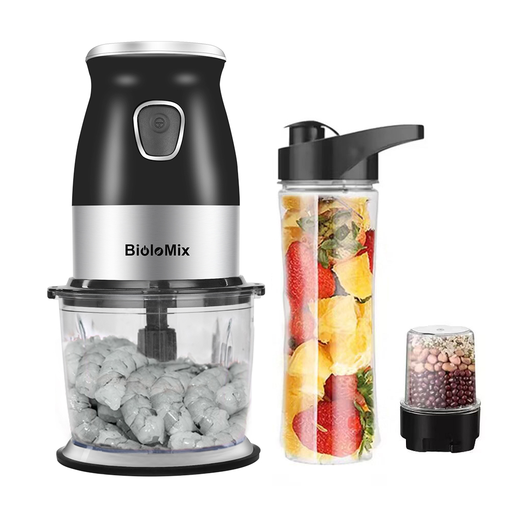 No image available
The product description mentions kneading dough, mixing batter and whipping cream, making it suitable if you want to use the mixer for more than just pastry.
The product name lists a power rating of 500 W.
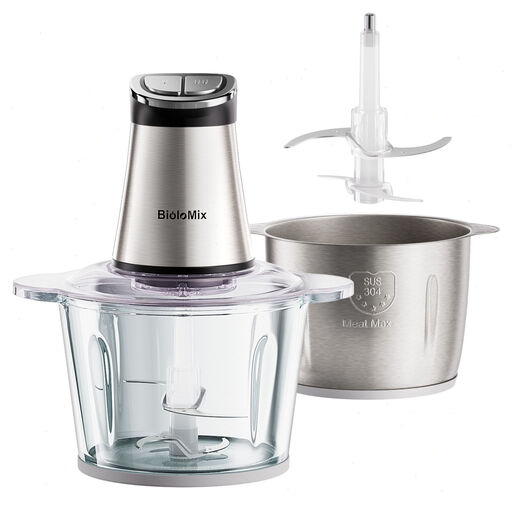 No image available
The product description mentions mixing and kneading, making it suitable for home bakers who want to do both with one appliance.
The product name lists a 3 l bowl, 2 speeds and a power rating of 300 W.
 No image available
The product information lists a mixing beater and dough hook; the product name also mentions a whisk for whisking tasks.
The product name lists a 5 l bowl, a tilt head and a power rating of 400 W.
Not for every step. In the KitchenAid Netherlands quiche recipe we consulted, the flat beater first mixes flour and butter to make a breadcrumb-like mixture; the dough hook is then used when adding water. Follow the instructions for your recipe and mixer.
Not on its own. Compare the bowl volume with a model-specific dough or flour capacity and the amount in your recipe. Kenwood lists a maximum of 0.5 kg of pastry flour for the Go KZM35.000RD and 680 g for the kMix KMX750ARD; these are manufacturer figures for those models.
It depends on which task you most want to avoid doing by hand. The Consumers’ Association describes slicing, grating and chopping as food processor tasks, while a stand mixer is designed for mixing and kneading. Check which functions and attachments come with the exact model.
According to the Netherlands Food and Consumer Product Safety Authority, CE marking is mandatory for electrical consumer products. Parts that come into contact with food must also meet the applicable requirements for food-contact materials. Check this for the exact model and the parts supplied.
Yes. According to the Dutch government, there is no fixed statutory warranty period in the Netherlands; you’re entitled to a product that meets what you could reasonably expect. If there’s a fault, the seller must provide a solution. Normal wear and tear or damage caused by incorrect use doesn’t automatically entitle you to free repairs.