
Baking lots of biscuits
You want to make enough dough before the coffee morning, so your main consideration is comparing the weight of each batch with the stated capacity of the exact model.


Choose a stand mixer based on the weight of each batch in your recipe and the capacity stated by the manufacturer for the exact model and mixture. The bowl’s capacity in litres alone won’t tell you how much biscuit dough it can handle. A compact mixer may be enough for small batches and limited worktop space, while a larger bowl or an extra bowl can be useful if you’re making several batches — provided you have enough room.
You want to make enough dough before the coffee morning, so your main consideration is comparing the weight of each batch with the stated capacity of the exact model.
You’d rather make several smaller batches than have a large mixer taking up space on the worktop. Dimensions and storage space are important considerations.
You want the mixing function your recipe calls for, without paying for extra features or bowls you’re unlikely to use.
First, decide what matters most to you: the amount of dough per batch, the right attachment, the space available or the features you need.
| Consideration | What should you check? | Who is this important for? |
|---|---|---|
| Dough capacity per batch | Weigh one batch from your recipe and compare it with the capacity for the exact model and mixture specified. Don’t treat maximum capacities for cake batter, yeasted dough and flour, for example, as limits for biscuit dough. | When I’m baking for a group, I want to know how much of my own recipe will fit in one batch, not just the bowl’s capacity in litres. Around 36% of consumers put dough capacity per batch first. |
| Mixing attachment for your recipe | Check which attachment is included with the exact version and follow your recipe. Check compatibility before choosing a separate attachment. | For my biscuit recipe, I want to know in advance whether the right mixing hook or beater is included. Around 29% of consumers prioritise the right mixing attachment. |
| Worktop space and cleaning | Measure the available worktop and storage space, including when the mixer head is raised. Check the manual for cleaning instructions for each part. | With limited worktop space, I’d rather make smaller batches, but I also want to know whether the mixer will fit in storage. Around 21% of consumers give top priority to space and cleaning. |
| Essential features and warranty | Check what’s included in the box and the seller’s warranty terms. Decide whether a weighing function or an extra bowl suits the way you prepare your recipe. | I only want the features and accessories my recipe needs, and I want to know in advance who to contact if something goes wrong. Around 14% of consumers prioritise essential features and after-sales support. |
Manufacturers state capacities for different mixtures. You can’t simply convert those figures into the amount of dough in your recipe.
Weigh a batch and check the instructions that apply to the exact model before increasing the quantity.
The motor’s power rating doesn’t tell you which mixing attachment comes with the mixer or how much of your particular biscuit dough it can handle per batch.
First, compare the included attachments and the capacity information for the specific model.
For the KitchenAid Artisan 5KSM125EMH, KitchenAid Netherlands lists a 4.7 L bowl, while a Joybuy listing gives 4.8 L.
Confirm the version and bowl size before using that figure to work out the amount of dough per batch.
If unpackaged products are sold or supplied to customers, it may be a legal requirement to provide information about allergens present. The NVWA also describes this requirement for institutions.
Make a note of the ingredients in both the biscuits and the jam in advance, and find out which rules apply to the way you’re organising the coffee morning.
The Go and Chef Baker offer different options for batch sizes, worktop space and weighing.
The MUM5 range includes medium-sized mixers; some versions have built-in scales.
The Artisan 5KSM125EMH has a tilt-head design and comes with a mixing beater.
The SMF03DGEU comes with several attachments.
These Joybuy product picks are stand mixers worth comparing for home baking. For your recipe, pay particular attention to the attachments included, the space available and the capacity for the exact model.
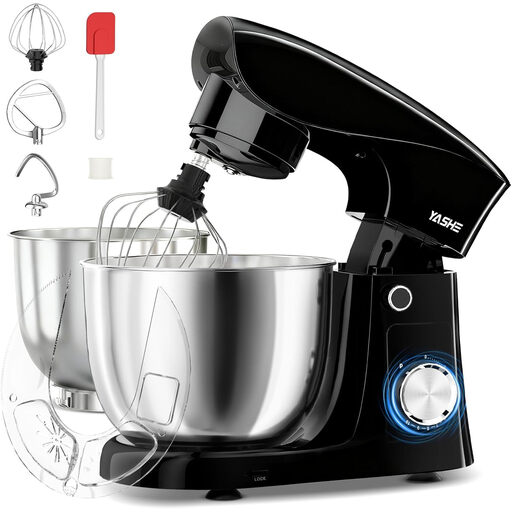 No image available
The product name mentions two bowls, which could be useful if you want to switch between bowls while baking.
The product name also mentions a tilt-head design and a dough hook. Check which attachments your recipe calls for.
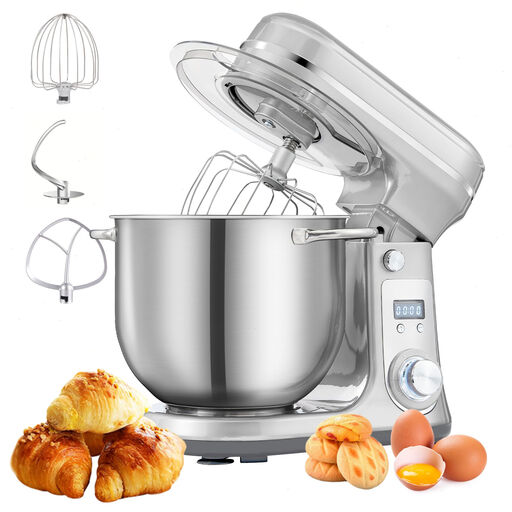 No image available
The product description mentions mixing thick biscuit dough; compare the amount in your own recipe with the instructions for this model.
The product name lists a 6 L bowl, 1200 W and 6 speeds plus a pulse function.
An LCD display and timer are also mentioned.
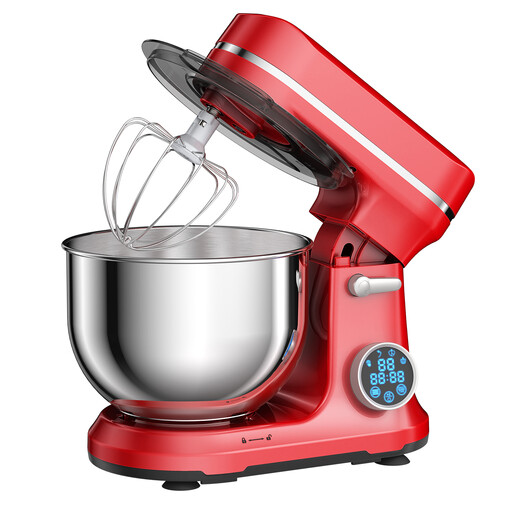 No image available
The product name mentions a planetary mixing system; check which mixing attachment is right for your recipe and this version.
The product name lists a 5 L bowl, 11 speeds, 1200 W and an OLED touchscreen.
The product name also mentions dishwasher-safe parts; check the usage instructions for each part.
 No image available
The product name mentions a mixing beater as well as a whisk and dough hook; check whether those attachments suit the steps in your recipe.
The product name lists a 5 L bowl, 10 speeds and a tilt-head design.
 No image available
This compact version could be a good fit if you want to make smaller batches and have limited space; check the applicable capacity for your type of dough.
The product name lists the KZM35 model in grey.
No, a dough hook isn’t automatically the right attachment for every biscuit recipe. KitchenAid recommends a flat beater for biscuit mixtures; follow your recipe and check which attachment comes with your exact mixer.
Follow the cleaning instructions for the bowl, attachments and work area, as applicable to each part. VrijwilligerswerkNL provides a food safety checklist for volunteer organisations that occasionally prepare food; it doesn’t replace any applicable hygiene code for regular food provision.
You don’t need an extended warranty to have statutory consumer rights. ACM ConsuWijzer states that if a product breaks sooner than you could reasonably expect with normal use, the seller must put things right free of charge — for example, by repairing or replacing it, or refunding you. Check separately what an extended warranty offers on top of this.
If unpackaged food is sold or supplied to customers, information about any allergens present must be available; the NVWA also describes this requirement for institutions. Make a note of the ingredients in the biscuits and jam, and find out which rules apply to the way you’re organising the event.