
Vandaag of morgen in huis

Kwaliteit gegarandeerd

Welkomstaanbiedingen ontgrendelen: GRATIS bezorging | Tot 80% korting | Gratis 30 dagen JoyPlus-proefperiode
Download de app
A stand mixer can take a lot of the work out of baking and cooking. But it can be hard to compare models fairly. Manufacturers often highlight the highest wattage, a large bowl or a long list of attachments. That information doesn’t always tell you enough about how a mixer performs in everyday use.
Pay particular attention to these three common pitfalls:
Power gives you an initial indication of what an electric mixer can handle, but it doesn’t tell the whole story. Also check:
For bread dough, a low to medium speed is usually more practical than running the mixer continuously at high speed. Always follow the instructions and don’t exceed the maximum dough capacity. A stand mixer with a dough hook is particularly useful if you regularly make yeasted dough, pizza dough or cake batter.
A stand mixer with a stainless steel mixing bowl is easy to clean and won’t absorb odours from ingredients. Be sure to distinguish between the bowl’s total capacity and its recommended working capacity. According to the product information, the Monsga SM100 has a 6-litre bowl, with a recommended working capacity of 5 litres. The Kenwood Chef XL KVL4110 has a stated bowl capacity of 6.7 litres.
A smaller bowl can be more convenient for smaller quantities. The Kenwood Go KZM35 has a 4-litre stainless steel bowl and a stated capacity of up to 1.4 kg of dough. Also check whether the bowl has a handle, how easily it locks into place and whether a splash guard is included.
With a planetary mixing action, the whisk or beater moves around the bowl while the bowl or drive point rotates in the opposite direction. This can help mix ingredients more evenly, but the result also depends on the recipe, quantity and speed.
A good basic set usually includes:
A multifunctional stand mixer can be expanded with optional attachments. Check their price, availability and compatibility beforehand. “More than twenty attachments available” doesn’t automatically mean they’re all included in the box.
The selection below matches different models to specific needs. The features listed are based on the available product information. Brand warnings and performance claims are not presented as guaranteed results.

Why it suits this type of user: According to the product details, this model has a 700W motor, a 3.8-litre bowl and a basic set of attachments including a whisk, beater and dough hook. It’s a good fit for everyday baking in smaller quantities.
The product information gives specific capacities: up to 1.7 kg of dough and 2.4 kg of batter. This makes it easier to avoid overloading the bowl.
3D planetary mixing action, non-slip feet and dishwasher-safe attachments, according to the product description.
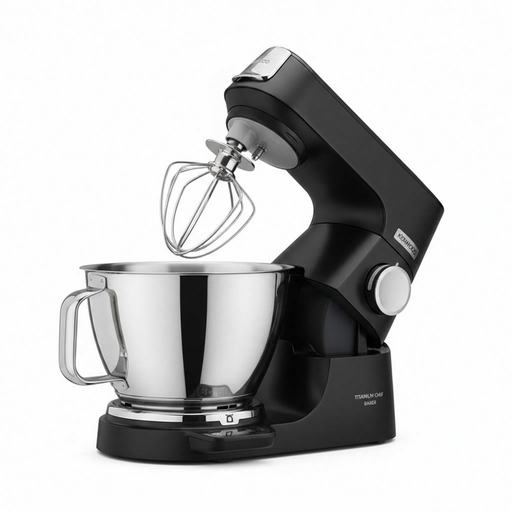
Why it suits this type of user: The product details list a 1200W motor, built-in scales, a 5-litre bowl and an additional DuoBowl. It’s a good fit for home bakers who often work with precision and prepare several things at once.
The built-in scales and stated bowl capacity give you more specific information than a general marketing claim about versatility.
Built-in scales, an extra bowl, a LightLift head and a dough hook, whisk and K-beater included, according to the product specifications.

Why it suits this type of user: The 6.7-litre XL bowl and metal body make this an interesting option for families and anyone who prepares larger quantities of batter or dough.
The product information lists the bowl capacity and the three included basic attachments separately. So optional extras aren’t presented as attachments that come in the box.
6.7-litre stainless steel mixing bowl, metal body and automatic speed control, according to the product details.
We’ve put together a complete, up-to-date list of products that meet these strict selection criteria and current European safety regulations.
A capacity of 3.8 to 5 litres may be enough for single-person households and smaller recipes. Families and people who bake bread regularly may want to consider a 5.5- to 6.7-litre bowl. Always check the recommended amount of dough or batter: the bowl’s total capacity isn’t the same as its maximum working capacity.
Its lifespan depends on how often you use it, how heavily you load it, how you clean it and whether you follow the instructions. When mixing heavy dough, let the mixer cool down between batches, and don’t use attachments that aren’t designed for your model. Several of the models mentioned come with a statutory guarantee of at least two years under European consumer rules.
Energy use depends on the mixer’s power, speed and running time. A 1200 W motor doesn’t automatically use 1200 watts throughout the entire mixing process. To save energy, weigh out your ingredients in advance, choose the right speed and don’t run the machine for longer than necessary.
