Which factors should you consider?
Start with the recipe and the batch you’re making. Then consider whether you can put the machine away after use and how you’ll clean its parts. Noise and extras only become deciding factors if they suit your shared kitchen and the way you use the mixer.
| Factor |
What to look for |
Who should pay particular attention? |
| Recipe and batch |
Check which beater is included and compare the weight of the flour and dough with the limits for the exact model. Don’t assume a limit for another type of dough applies to your recipe. |
If I’m making gingerbread that turns into a firm dough, I want to know whether the beater and batch are suitable for my recipe. Around 31% of consumers rank recipe suitability as their top priority. |
| Storage and workspace |
Measure your cupboard and worktop, then compare the available space with the dimensions and weight of the machine and its accessories. |
If I have to put the mixer away after each use, I also need to allow space for the bowl and attachments. Around 25% of consumers prioritise storage space. |
| Cleaning |
Check which parts can be removed and refer to the care instructions for each one. Also consider the shared worktop. |
If other people use the kitchen after me, I want to be able to clean the bowl, tools and surfaces thoroughly. Around 19% of consumers put cleaning first when sharing a kitchen. |
| Noise |
Look for comparable noise measurements for the same mixing task or assess the machine yourself; a description of the motor or accessories doesn’t prove that it’s quieter. |
If housemates are in the kitchen at the same time, I want to take noise into account without relying on unsubstantiated claims that the mixer is quiet. Around 13% of consumers rank noise as their top priority. |
| Total cost and aftercare |
Check what’s included with the exact model and which accessories are sold separately. Consider any additional cover alongside your statutory rights. |
If I’m mainly making one recipe, I don’t want to pay for extras or cover I don’t need. Around 12% of consumers prioritise total cost and aftercare. |
Brands to consider
These brands are relevant to different product ranges and needs. Their inclusion isn’t a general assessment of the brand, nor does it mean that every model mentioned is available.
Kenwood
The Go range may suit you if you want to put your mixer away after use. For the KZM35.000RD, Kenwood lists a 4-litre bowl, a K-beater and a splashguard.
- Kenwood lists the KZM35.000RD as 30 cm high, with front-facing controls.
- This manufacturer information isn’t an independent comparison of dough performance or noise levels.
Bosch
The Serie 4 MUM58200 is worth considering if you want to compare its stated flour and dough limits with the size of your own batch.
- Bosch lists a 3.9-litre bowl, a maximum of 0.8 kg of flour, and mixing and kneading attachments included.
- The manufacturer’s limits don’t prove that every gingerbread recipe is within the mixer’s capacity.
KitchenAid
The Artisan 5KSM125EER is worth considering if you’re looking for a stand mixer with an included beater for a range of baking tasks.
- KitchenAid lists a 4.7-litre bowl, a beater, a dough hook and a wire whisk. In its own recipe for spiced biscuit dough, the brand uses the flat beater.
- The recipe isn’t an independent performance test or a general batch limit for the 5KSM125EER.
Products at Joybuy
This selection features products listed as stand mixers. Check each model to make sure its included parts and stated usage limits are suitable for your gingerbread or spiced biscuit dough.
 Image unavailable
HAUSWIRT M5 Max stand mixer, 5.5 L, 11 speeds
The stated bowl capacity may be useful if your recipe needs a roomy bowl; also check the dough limit for your recipe.
The product name lists a 5.5 L bowl and 11 speeds.
View at Joybuy
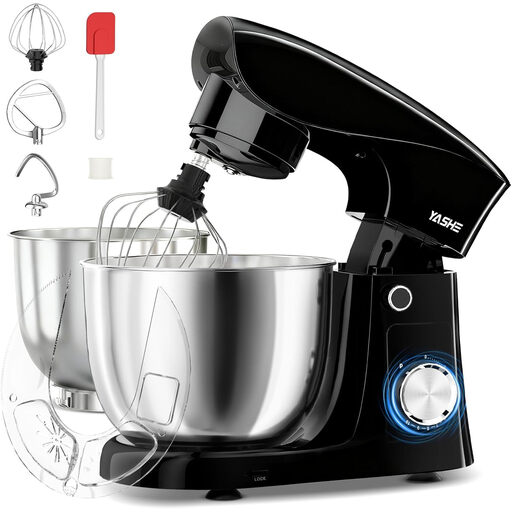 Image unavailable
YASHE SM-2548A stand mixer with two bowls
The dough hook mentioned may be useful if your recipe calls for one; check that the mixer and batch limit are suitable for firm biscuit dough.
The product name lists two bowls, a tilt-head design and a dough hook.
View at Joybuy
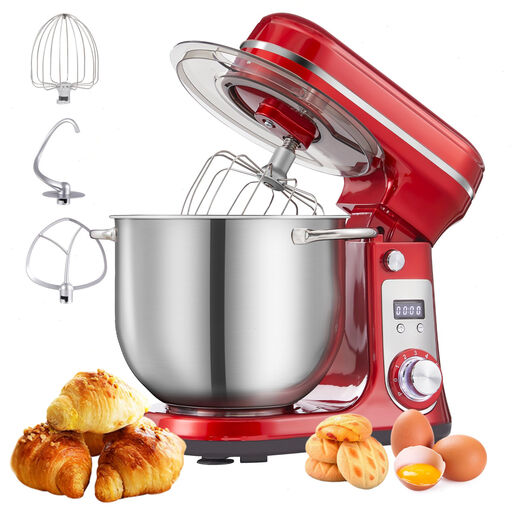 Image unavailable
BioloMix BM601 stand mixer, 6 L, 6 speeds
If you want to adjust the speed, compare the listed settings with the steps in your recipe; also check the permitted dough quantity.
The product name lists a 6 L bowl, six speeds, a pulse setting and a tilt-head design.
View at Joybuy
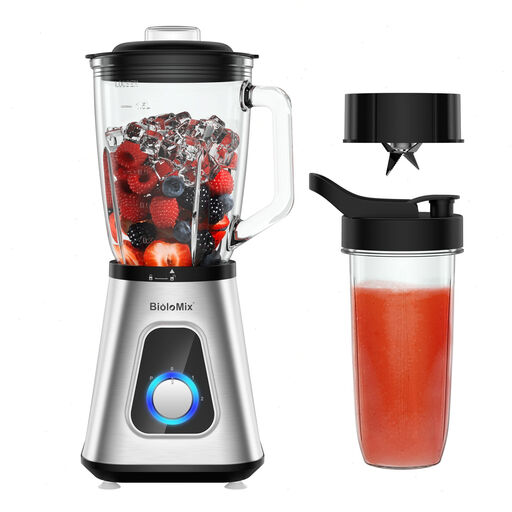 Image unavailable
BioloMix SF701 stand mixer with 1.5 L glass bowl
The stated bowl capacity may suit smaller recipes; check the user information to see whether this model can handle the firm dough in your recipe.
The product name lists a 1.5 L glass bowl, a 600 ml bottle, removable blades and a self-cleaning function.
View at Joybuy
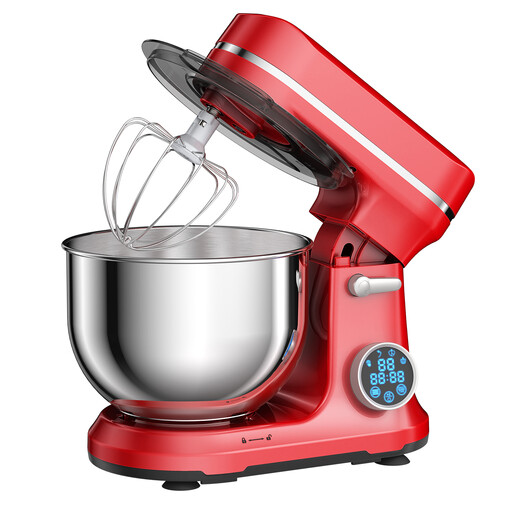 Image unavailable
BioloMix BM602E stand mixer, 5 L, 11 speeds
If you want to clean parts in the dishwasher, check which parts are suitable and what the manual recommends.
The product name lists a 5 L bowl, 11 speeds, a planetary mixing system and dishwasher-safe parts.
View at Joybuy
Frequently asked questions
Should you use a dough hook or a flat beater for gingerbread mixture?
It depends on the recipe. KitchenAid Netherlands uses a flat beater in its recipe for spiced biscuit dough and gradually adds the flour at a low speed. Don’t assume this method is a batch limit or instruction for another model without checking first.
How should you leave a shared kitchen after making dough?
Clean the kitchen utensils and surfaces that have been in contact with food before anyone else uses the kitchen. The Voedingscentrum recommends cleaning with hot water and, for example, washing-up liquid. Also follow the care instructions for your model’s bowl and accessories. Don’t taste raw dough containing flour or raw egg.
Does a new electric food mixer sold in the Netherlands need a CE marking?
Yes. According to the Netherlands Food and Consumer Product Safety Authority, a new electric food mixer placed on the market in the Netherlands must have a CE marking. This general requirement doesn’t confirm that a specific product on sale bears the marking or meets all applicable requirements.
What about warranties and the cooling-off period when buying online?
If a product doesn’t conform to the contract, the seller must offer a solution, according to Rijksoverheid; there is no fixed statutory warranty period in the Netherlands. When you buy online from a business, you generally have 14 days to change your mind in the circumstances described by Rijksoverheid. Check the terms and any exceptions that apply to your purchase.


