
Bakers making large batches of dough
If you want to make a lot of focaccia dough in one go for a bake sale, compare the stated dough capacity in kilograms, not just the bowl capacity. Ankarsrum, Kenwood and Bosch list capacities for specific models.


First, work out how much dough you want to make per batch and compare that weight with the stated capacity of the exact model. Bowl capacity alone won’t tell you how much dough it can handle. For larger batches, a mixer with a suitable dough capacity could be useful, while smaller batches can be made one after another. If your recipe calls for mixing and folding, you may not need a mixer for this preparation. Stated capacities are not independent tests using focaccia dough.
If you want to make a lot of focaccia dough in one go for a bake sale, compare the stated dough capacity in kilograms, not just the bowl capacity. Ankarsrum, Kenwood and Bosch list capacities for specific models.
If you’re splitting the dough across several batches, consider the capacity per batch, preparation time and the instructions for the exact model.
If you’re deciding whether you need a machine, start by checking the recipe steps. King Arthur Baking’s focaccia recipe develops the dough through mixing and repeated folds.
When making focaccia dough for a bake sale, the key decisions depend on batch size, the number of batches, the recipe method and how you’ll use the machine afterwards.
| What to consider | What to look for when buying | Who is this most relevant to? |
|---|---|---|
| Dough weight per batch | Add up the ingredients for each planned batch in kilograms and compare the total with the exact model’s dough capacity. Also check whether the required dough hook is included. | If I’m preparing several baking trays at once, I want to know how much dough fits within the stated capacity for one batch. Around 37% of consumers prioritise the amount they can make per batch. |
| Making several batches in a row | Plan your portions and check the manual for the permitted load, operating time and any rest instructions for that exact model. | If I’m making the dough in batches, I want to know whether the schedule fits within my preparation time. Around 27% of consumers prioritise planning for multiple batches. |
| Recipe method | Check whether your recipe calls for machine kneading or instead specifies mixing and folding. If you’re kneading with a machine, follow the instructions for that particular model. | If my recipe uses mixing and folding, I want to check first whether I need a mixer for this preparation. Around 18% of consumers prioritise whether a mixer is necessary. |
| Space and cleaning | Check the dimensions, which bowls are included and which parts can be cleaned in your preferred way, according to the instructions. | If I want to use the machine after the bake sale too, I’ll consider storage and cleaning. Around 18% of consumers prioritise space and ease of use afterwards. |
For the Bosch MUMS6EW22, Bosch lists a 5.5-litre bowl and a specific capacity of 1.5 kg of yeast dough. Bowl capacity in litres is not the same as the stated dough capacity.
Compare the weight of your recipe with the capacity for the right type of dough and model.
A lower capacity per batch may mean you need to plan extra batches and preparation time.
King Arthur Baking’s focaccia recipe uses mixing followed by repeated folds, rather than a long spell of machine kneading.
Check your recipe first, then decide whether you need a mixer for the quantity and method you’re using.
A machine may be unnecessary for this preparation and will also need storage space.
Operating and rest instructions may apply to a specific model or brand. For example, Kenwood’s guidance on resting between heavy loads applies to the GO model.
Follow the manual and dough hook instructions for the exact model you’re using.
The NVWA says that food sold by private individuals at markets and events must also be prepared, sold and stored safely and hygienically. The NVWA also highlights the need to give customers allergen information.
Include hygiene and allergen information in your preparations, and check which requirements apply to the way you’re selling.
Your plans also need to allow time for the necessary hygiene measures and customer information.
For the Assistent Original AKM6230, Ankarsrum lists a 7-litre bowl and a maximum dough capacity of 5 kg.
Among the Chef Baker models reviewed, Kenwood lists a dough capacity of 2.56 kg for the XL KVL85.004SI and 2.18 kg for the KVC85.004BK.
For the Serie 6 MUMS6EW22, Bosch lists a 5.5-litre bowl and a specific capacity of 1.5 kg of yeast dough.
KitchenAid describes the Artisan 5KSM175PSEFL as having a tilt-head design and two bowls for a range of baking tasks.
This selection includes stand mixers and a dough maker for mixing or kneading dough. For your recipe, compare the amount per batch with the stated capacity and instructions for the exact model.
 No image available
The product listing describes this stand mixer as suitable for dough; check the manual for the recommended amount per batch.
The listing specifies a 5.5-litre bowl, 11 speeds and a 4.5-inch LED touchscreen.
 No image available
The product name describes a stand mixer for dough; compare the amount you need with this model’s instructions.
The listing specifies a 5.5-litre bowl, 11 speeds and 5 presets. The colour option is Lake Green.
 No image available
This dough maker could be useful if you can keep the amount per batch within its stated capacity.
The product name specifies a maximum dough capacity of 2.5 kg, a bowl capacity of 5 litres and automatic kneading.
 No image available
The product name identifies this as a Kenwood Chef XL stand mixer. Check the KVL4110 manual before deciding how much focaccia dough to make per batch.
 No image available
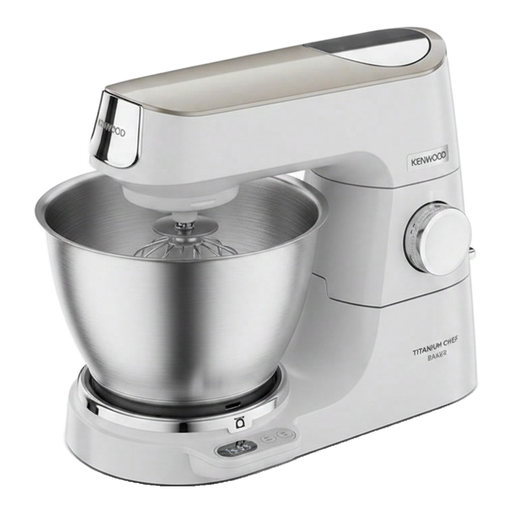
The product name identifies this as a Kenwood Titanium Chef Baker stand mixer. Compare your batch size with the instructions for the exact KVC65 version.
Not with every recipe. The King Arthur Baking recipe reviewed mixes the ingredients first, then uses repeated folds and resting periods. Follow your recipe’s method. If you’re using a KitchenAid for yeast dough, stick to KitchenAid’s specific speed and timing instructions.
No. Bowl capacity and dough capacity are different measurements. Bosch lists a 5.5-litre bowl and a specific capacity of 1.5 kg of yeast dough for the MUMS6EW22. Compare the weight of your batch with the figure given for the right model and type of dough.
Split the recipe into batches that fit within your model’s capacity and check the manual for load limits, operating time, any required rest periods and cleaning. Kenwood’s instruction to rest the machine for 15 minutes between heavy loads applies to Kenwood GO and not automatically to every stand mixer.
The NVWA says that food sold by a private individual at a market or event must also be prepared, sold and stored safely and hygienically. According to the NVWA’s step-by-step guide, if you sell several times a year, you also need to register and have a food safety plan; for a single sale per year, the guide says registration is not required. Tell customers about any allergens present and check which requirements apply to the way you’re selling.
According to ACM ConsuWijzer, you have statutory consumer rights as well as any manufacturer’s warranty. If a product used normally doesn’t meet the standard you could reasonably expect, the seller is responsible for providing an appropriate remedy at no extra cost, in line with the applicable terms.