What should you look for when buying?
Start with the recipe and the weighed quantity for each batch: bowl capacity alone doesn’t tell you how much batter or dough the mixer can handle for that preparation.
| What to consider |
What to look for when buying |
Who it matters most to |
| Attachment for your recipe |
Check whether the mixer has a suitable mixing attachment or beater for batter and, if you’re making yeast dough, a dough hook. |
If I mainly make cake-style doughnut batter, I want an attachment that suits my recipe; around 36% of consumers put this match first. |
| Capacity per batch |
Weigh the ingredients and compare the batch with the stated batter or dough limit for the exact model. |
If I want to make larger batches for a group, the limit needs to suit my preparation; around 29% of consumers prioritise batch capacity. |
| Cleaning between batches |
Check which bowls and attachments are included and what cleaning instructions apply. |
If I want to switch between workshop batches, cleaning and the bowls available both matter; around 21% of consumers put this at the top of their list. |
| Space and positioning |
Compare the model’s dimensions and weight with your available workspace and the batch size you want to make. |
If my workspace is limited, the mixer needs to fit comfortably; around 14% of consumers make available space their top priority. |
Products for batter and dough
These Joybuy products are intended for mixing batter or kneading dough during a doughnut workshop. Compare the listed attachments and batch limits with your own recipe.
 No image available
Bear Intelligent Dough Maker 5 L, 2.5 kg
For workshop batches of yeast dough when you want the machine to do the kneading for you.
The product information lists a 5-litre bowl, a maximum dough weight of 2.5 kg, a dough hook and a beater. Follow the instructions for allowing the motor to cool between uses.
Joybuy
 No image available
Kenwood Chef XL KVL4110 silver
For anyone who wants to mix batter and also needs a dough hook for kneadable dough.
The product information lists a 6.70-litre bowl, a K-beater, a whisk and a dough hook.
Joybuy
 No image available
Kenwood Go KZM35 grey
For batter and yeast dough when your planned dough batch is within the stated capacity for the model.
The product information lists a 4-litre bowl, a maximum dough capacity of 1.4 kg, a K-beater, a whisk and a dough hook. According to this information, the bowl accessories are dishwasher-safe.
Joybuy
 No image available
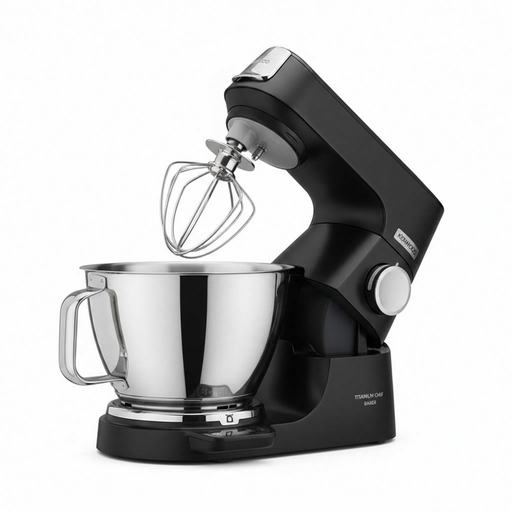
Kenwood Titanium Chef Baker KVC85.004BK black
For workshops where you weigh your batter and dough and want to switch between preparations.
Kenwood Netherlands lists a cake capacity of 2 kg and a dough capacity of 2.18 kg for this model. The product information also lists a 5-litre bowl, built-in scales and two bowls.
Joybuy
 No image available
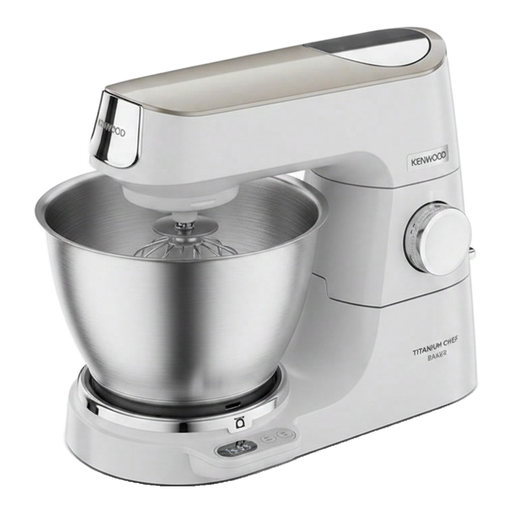
Kenwood Titanium Chef Baker KVC65 white
For anyone who wants to mix cake-style batter and also needs a dough hook for other preparations.
The product information lists a 5-litre bowl, built-in scales, a K-beater, a whisk and a dough hook.
Joybuy
Frequently asked questions
Do I need a dough hook for doughnut batter?
Not just because you’re making doughnuts. A suitable mixing attachment is right for cake-style batter; for kneadable yeast dough, look for a dough hook and check the permitted dough batch for the exact model.
Can I use the bowl capacity to work out how many workshop portions I can make?
No, don’t use bowl capacity as your only guide. For example, Bosch Netherlands lists separate limits of 2.7 kg of cake batter and 1.9 kg of yeast dough for the MUM5X720. Weigh your recipe for each batch and check the instructions for the relevant model.
What should I check when cleaning and changing over between groups?
Check which bowls and attachments are included and how they should be cleaned. Maxima states that not all parts of the MPM 10 are dishwasher-safe; KitchenAid lists two bowls for the 5KSM175PSEFL.
Can participants taste the raw batter?
No. The Netherlands Nutrition Centre advises against tasting raw batter or dough because raw eggs and flour can contain harmful bacteria. Young children, pregnant women, older people and those with weakened immune systems are particularly vulnerable.
What food safety rules apply if I organise the workshop as a food business?
If your activity falls under a Dutch food business, that business must be registered with the Netherlands Food and Consumer Product Safety Authority (NVWA) and operate with an HACCP food safety plan or an approved hygiene code. First, check whether this requirement applies to your workshop.


