
Parent making a large amount of batter
Wants to divide the school fair recipe into manageable batches, and is considering bowl capacity and how much room a liquid batter takes up.


Choose a bowl that suits your recipe, and make manageable batches rather than treating the bowl’s stated capacity as the maximum fill level for a thin batter. Look for a suitable beater or whisk, start slowly and use a splash guard. Extra capacity or accessories are most worthwhile if you’ll use the mixer for other recipes after the school fair too; manufacturers’ specifications are not a measured capacity for crêpe batter.
Wants to divide the school fair recipe into manageable batches, and is considering bowl capacity and how much room a liquid batter takes up.
Needs a machine that’s easy to control while adding ingredients and doesn’t take up much space at home.
Weighs up accessories and features for future baking against cleaning and storage space.
Start with the amount of batter you need to make and the space available. Then consider which accessories you’ll actually use for this and future recipes.
| What to consider | What should you check? | Who is this important for? |
|---|---|---|
| Bowl capacity and batch size | Compare the volume of your recipe with the manual for the exact model. Check whether it specifies a limit for liquid mixtures; don’t convert bowl capacity or dough capacity into a crêpe batter capacity. | I want to make enough batter without overfilling the bowl, and can work in batches if needed. Around 33% of consumers prioritise the amount of batter and the number of batches. |
| Mixing without splashing | Check which beater or whisk and splash guard are included with the model. Start on a low speed and follow the manual. | With a thin batter, I want to add ingredients gently and keep my workspace clean. Around 27% of consumers prioritise controlled mixing and minimising splashes. |
| Worktop and storage space | Measure the space where you’ll keep the machine, and allow room to use the bowl and mixer head. Compare the dimensions of the complete model. | I have limited kitchen space and would accept making extra batches if the machine is easier to store. Around 20% of consumers choose mainly based on size. |
| Use after the school fair | Make a list of the recipes you’ll genuinely make later, and compare only the accessories you’ll need for them. Consider any additional warranty separately from your statutory rights. | I want to use the machine regularly after the event too, so extra features and accessories will be worthwhile for me. Around 20% of consumers prioritise future use. |
A bowl’s capacity or the stated amount of cake or yeast dough doesn’t tell you how much thin crêpe batter you can safely mix at once.
Check the manual for the complete model and start with a batch that leaves plenty of room below the rim.
Mixing a recipe in several batches takes extra time, and splashes can mean more cleaning.
The whisk, beater and splash guard may vary by model and version.
Check the full model number against the list of included parts before placing your order.
If an accessory you need isn’t included, you may have to buy it separately.
A mixer doesn’t control how ingredients are stored or how allergen information is provided. The Netherlands Food and Consumer Product Safety Authority (NVWA) stresses that food sold at events must be handled safely and hygienically.
Agree with the school who’s responsible for cleaning, storage and information about the ingredients used.
Preparing and chilling food hygienically, and providing information, takes extra time and resources.
MUM5 models could suit you if you’re looking for a mixing bowl and baking accessories.
The Kenwood Go KZM35.000GY is designed to be more compact, while the kMix KMX750ARD has a larger stated bowl capacity.
The Artisan 5KSM125EER could suit you if you want to use the mixer for other mixing and baking tasks as well as for the school fair.
The Series 7000 HR7962/21 is most relevant if you’d also use the included blender and meat mincer.
These stand mixers suit different priorities: mixing batter in batches, saving space or using the machine for other recipes too. Compare the specifications for the version listed, and check the manual before deciding how much thin batter to make.
 No image available
Could suit you if you want to mix batter in batches and need a whisk or beater.
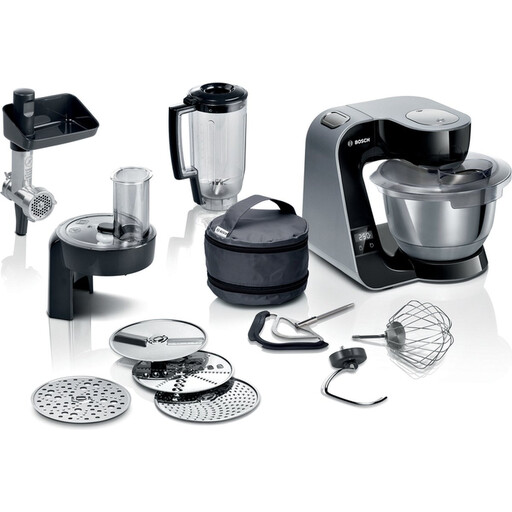
The product name lists 10 speeds, 600 W, a dough hook, beater, whisk and splash guard.
 No image available
A food processor to include in your comparison if you want to make batter in batches.
The product name lists a power rating of 1000 W and the colour black. Check the bowl capacity and included accessories for this version.
 No image available
A stand mixer to compare if you’d also like to use it for other mixing and baking tasks.
Check the bowl capacity and which mixing accessories come with the full KVL4110 version.
 No image available
Could suit you if you’re looking for a compact stand mixer and are happy to mix the batter in smaller batches.
Check the dimensions and included accessories for the complete version before deciding.
 No image available
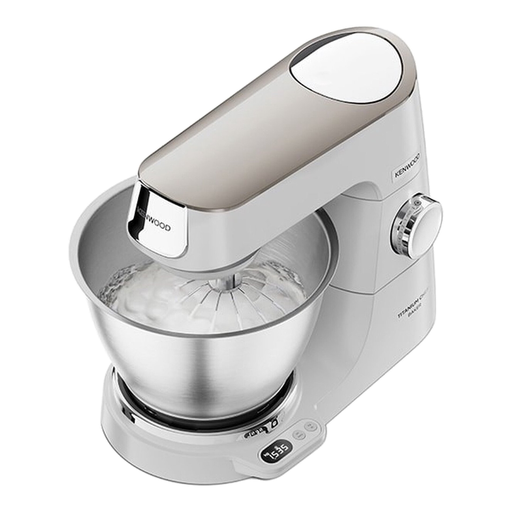
A stand mixer to consider if you want to weigh ingredients as you mix.
Check which accessories and features come with the complete KVL65 version, and how much space you’ll need for them.
First check the manual for your exact machine, as the right accessory varies by model. Philips describes the HR7962/21 beater as suitable for things such as cake batter, and the whisk for things such as egg whites and whipped cream, but this isn’t specific advice for crêpes. A dough hook isn’t necessarily suitable for a thin batter.
Start at a manageable speed, check whether your version includes a splash guard, and clean the bowl and any accessories that come into contact with food thoroughly. The NVWA stresses the importance of working safely and hygienically when selling food at events.
Even when food is sold at an event, the NVWA requires it to be prepared, sold and stored safely and hygienically, whether the seller is a business or a private individual. The NVWA says a HACCP food safety plan is compulsory for anyone who prepares and sells food several times a year. This doesn’t mean every one-off school event needs such a plan. Agree with the school who’s organising the sale and who’s responsible for food safety.
The NVWA says businesses offering food to consumers must provide allergen information, and also refers to institutions serving non-prepacked food. The exact requirements for a particular school fair depend on how it’s organised. Keep a careful record of the ingredients used and any risk of cross-contamination so you can answer questions before people buy.
Not necessarily. According to the Government of the Netherlands, you’re entitled to a product that works properly, and there’s no fixed statutory warranty period; the period depends on what you can reasonably expect from the product. Compare the terms of any paid extra cover with the rights you already have.