
Baker with limited space
You want to mix cookie dough, but you also need to be able to put the machine away after use in a shared kitchen.


Start by checking that the beater is suitable for cookie dough, then see whether the bowl and dimensions work for your recipe and shared space. A compact model is easier to store, while extra capacity or attachments are most useful when your housemates also want to use the machine for other recipes. If someone has a nut allergy, clear arrangements and thorough cleaning are important, whatever the brand you choose.
You want to mix cookie dough, but you also need to be able to put the machine away after use in a shared kitchen.
You want to clean the mixing bowl and attachments thoroughly, and agree on how to use them if a housemate has a food allergy.
You use the same machine for different recipes, so you weigh up portion sizes, included attachments and storage space.
First choose the mixing tool for your cookie dough, then compare the recipe limits, available space and cleaning requirements with how you’ll use the machine in your kitchen.
| What to consider | What should you check? | Who is this important for? |
|---|---|---|
| Beater for cookie dough | Check which beater is included and compare the manufacturer's limit for the relevant type of dough with your recipe. | If I mainly make cookie dough, I want the right beater and a limit that suits my recipe. Around 36% of consumers say mixing cookie dough is their main buying concern. |
| Working and storage space | Measure the storage space and the clearance needed to lift the head or remove the bowl. | If I need to put the mixer away after use, I need to consider both the storage space and the room available when using it. Around 29% of consumers put storage space first. |
| Cleaning when sharing | Check which parts can be removed and how they can be cleaned according to the model-specific instructions. | If housemates share the equipment and someone has a nut allergy, I want to agree on ingredients and cleaning in advance. Around 21% of consumers put cleaning and shared use first. |
| Portions and extra attachments | Compare the quantities in your recipes with the manufacturer's figures for that specific type of dough. Don’t infer the cookie dough capacity from a cake mixture figure. | If we use one machine for different recipes and portion sizes, I want to know which attachments are included and what quantities it can handle. Around 14% of consumers say versatility and portion size are their main buying concerns. |
A capacity in litres and a manufacturer's maximum for flour, cake mixture or yeast dough don’t tell you how much of your hazelnut cookie dough will mix well.
Compare your recipe with the limit for the relevant type of dough, and choose the appropriate mixing tool.
You may need extra clearance to lift the head or remove the bowl. Smeg lists the height of the SMF04CREU with the head raised separately.
Measure both the storage space and the clearance where you plan to use the mixer.
Hazelnuts are among the allergens listed by the Netherlands Nutrition Centre. If someone has a relevant allergy, traces on shared equipment or work surfaces may be a concern.
Discuss the allergy and agree on a process before baking. Carefully clean contact surfaces, hands and suitable removable parts according to the relevant instructions; don’t assume that any particular mixer removes allergens.
The Go KZM35.000RD is a compact model to consider if you want to put your mixer away after use.
According to Bosch, the MUM58L20 combines a patisserie set with attachments for other preparations.
The Artisan 5KSM125 is a medium-sized mixer with a beater; KitchenAid says its flat beaters are suitable for cookie mixtures.
The SMF04CREU is a stand mixer with a larger bowl and an included flat beater.
This selection of Joybuy products focuses on stand mixers for batters and thick doughs. For hazelnut cookie dough, check that the capacity and instructions for your chosen model suit your recipe.
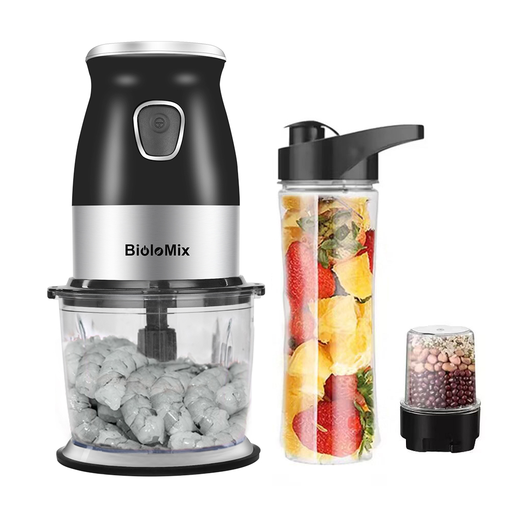 No image available
The product description mentions mixing thick doughs and batters; it does not give a specific capacity for hazelnut cookie dough.
500 W motor; metal drive; one-button operation; stainless steel blades; food-grade bowl.
Follow the instructions for your exact recipe and model. KitchenAid says its flat beater is suitable for cookie mixtures, while the Kenwood Go comes with a K-beater. A limit for cake or yeast dough is not a specific maximum for your cookie recipe.
Discuss the allergy and agree on a process before using hazelnuts. After contact with allergens, clean work surfaces, hands, the bowl and attachments according to the relevant instructions; don’t assume that any particular mixer removes allergens. The Netherlands Nutrition Centre lists hazelnuts as a tree nut allergen.
Not necessarily: when you buy a product in the Netherlands, you have statutory rights if it is faulty. The Dutch government says there is no fixed statutory warranty period; what you can reasonably expect from a product is also taken into account. If you’re considering paid cover, check what additional protection and terms it offers alongside your existing rights.
According to the European Union, CE marking is required only when applicable EU rules specify it. The Netherlands Food and Consumer Product Safety Authority states that allergen information must appear on the labels of prepacked foods; the Netherlands Nutrition Centre lists hazelnuts as an allergen.