
Baker with limited storage space
You share the worktop and want to put the mixer away after use. Compare its overall dimensions and think about where you’ll keep the attachments too.


Choose a stand mixer with a suitable flat beater or similar attachment, and check that your recipe quantity is within the usage limit for the specific model; a large bowl alone doesn’t prove that it is. Then weigh up the available worktop and storage space against the parts you’ll need to clean and put away. The NVWA requires CE marking for electrical products covered by the relevant rules, so check the specific unit being offered too.
You share the worktop and want to put the mixer away after use. Compare its overall dimensions and think about where you’ll keep the attachments too.
You use the bowl and beater in a kitchen shared with others. Check the cleaning instructions for each part and what you’ll need to wash up after use.
Sometimes you make one batch of crackers, and sometimes more. Compare your recipe quantity with the limit specified for that model, rather than relying on the bowl’s capacity in litres alone.
For cheese cracker dough in a shared kitchen, the right mixing attachment, available space, cleaning and the batch size you need all play a part.
| What to consider | What should you check? | Who should pay particular attention? |
|---|---|---|
| Suitable mixing attachment | Check whether a flat beater or equivalent attachment is included, and follow the instructions for your recipe and mixer. | If I want to mix the ingredients for cheese crackers well, I first check which attachment suits the recipe. Around 31% of consumers put the right mixing attachment first. |
| Worktop and storage space | Measure the space available and decide where the bowl, splash guard and attachments will go after use. | When I share the worktop and cupboards, I want to be able to put the mixer away easily after baking. Around 25% of consumers prioritise space for use and storage. |
| Cleaning after use | Check the cleaning instructions for each part; don’t assume the housing or every attachment is dishwasher-safe. | If several people in the household use the same bowl and attachments, I want to know how to clean them after each use. Cleaning is the top priority for around 25% of consumers. |
| Batch size | Compare the flour and total dough quantities in your recipe with the limit specified for the exact model and relevant type of dough. | If I sometimes make a small batch and sometimes a larger one, I want to know whether the mixer suits my recipe quantity. Around 19% of consumers put batch size first. |
Bowl capacity, the maximum flour weight for cake-making and the maximum dough weight describe different things. You can’t simply compare these figures as if they refer to the same capacity.
Compare the quantities in your own recipe with the usage limit for the relevant type of dough and exact model.
A mixer may fit on the worktop but be awkward to use if there’s nowhere to store the bowl and separate parts.
Measure both the space where you’ll use it and the storage space, and allow for all the included parts.
The bowl, splash guard and attachments also need somewhere to go after use.
CE marking is required for electrical products covered by the relevant rules. A product listing on its own doesn’t confirm that the specific unit being offered bears the marking.
Before buying, check the exact model and whether the unit being offered has the required CE marking. The NVWA explains the relevant requirements for electrical products.
The Go range is a compact option to compare; according to Kenwood, the Titanium Chef Baker KVC85.004SI comes with two bowls and a weighing function.
The MUM Serie 2 MUMS2EW00 is a stand mixer with a stainless steel bowl and a basic set of patisserie accessories.
The Artisan 5KSM125EER is worth comparing if you’re planning to make other things as well as crackers.
The SMF04WHEU is an alternative that comes with a flat beater, dough hook and whisk for different recipes.
These products are stand mixers for cheese cracker dough and a range of baking tasks. Before buying, check that the electrical appliance being offered bears the required CE marking; the NVWA explains the requirements for products covered by the relevant rules.
 No image available
The stated bowl capacity can help when comparing batch sizes, but doesn’t by itself tell you how much cheese cracker dough is suitable.
The product name lists a 5.5-litre bowl, 11 speeds and a 4.5-inch touchscreen.
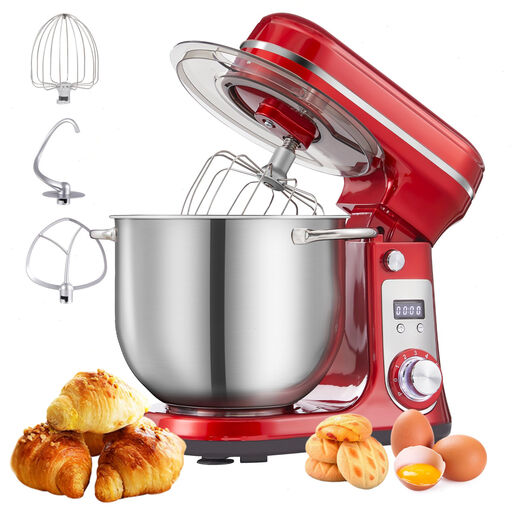 No image available
The bowl capacity is one point to compare with your recipe, but doesn’t on its own tell you how much cheese cracker dough the mixer can handle.
The product name lists a 6-litre bowl, 6 speeds, a pulse setting, an LCD screen and a timer.
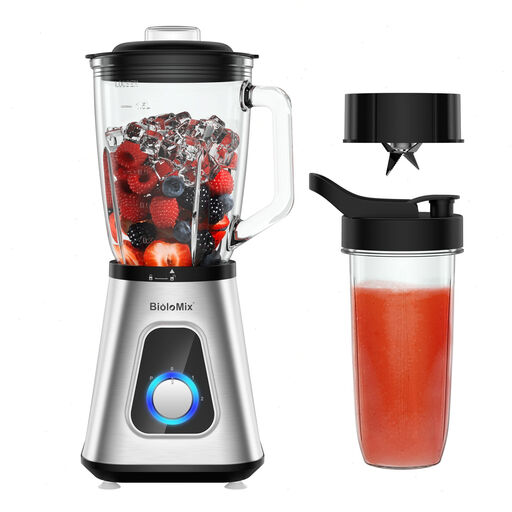 No image available
Check that the included parts suit your recipe; the product name doesn’t mention a flat beater or dough hook.
The product name lists a 1.5-litre glass bowl, a 600 ml bottle and removable blades.
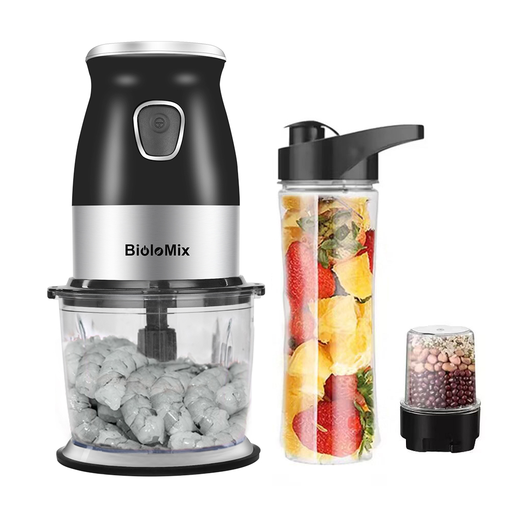 No image available
Check which mixing attachments come with the model being offered before comparing it with a cheese cracker recipe.
The product name lists a 500 W motor, one-button operation and a metal drive system.
 No image available
The included beater and dough hook are useful features to compare with the instructions for your recipe.
The product details list a 5-litre bowl, 10 speeds and dimensions of 35.4 × 22.5 × 29.6 cm.
A KitchenAid cheese cracker recipe specifies a flat beater or dough hook; another uses the flat beater. Follow your recipe and the instructions for your mixer rather than automatically applying instructions for bread dough.
That depends on the model and the part. Bosch lists dishwasher-safe accessories for the MUMS2EW00; for other models and the bowl, check the relevant cleaning instructions. Keep shared kitchen equipment clean between uses.
Ask which ingredients and restrictions are relevant to the people using the mixer, and clean the bowl, attachments and work area thoroughly before someone else uses them. A dishwasher-safe label doesn’t automatically mean shared equipment is suitable for every individual allergy.
Report the fault to the seller. According to the Dutch government, the Netherlands has no fixed general statutory guarantee period; what you can expect from a product depends, among other things, on the product, its price and the information provided at the time of sale. A manufacturer’s warranty may also apply.
CE marking is required for electrical products covered by the relevant rules. This legal requirement doesn’t in itself confirm that a particular unit being offered actually bears the marking, so check separately. The NVWA explains the rules for electrical products.