What should you look for in a mixer for coffee cake batter?
Start with the weight of one recipe and compare it with the cake batter capacity of the exact model. Then consider the attachment, where you’ll set it up and how to clean it.
| What to consider |
What should you check? |
Who is this important for? |
| Amount of batter per batch |
Weigh the recipe and check the cake batter capacity and instructions for the exact model. Bowl capacity and permitted batter weight aren’t the same thing. |
If I’m running several workshop sessions in a row, I want to know whether a measured recipe is within the model’s limit. Around 33% of consumers say the amount per mixing batch is their top priority when choosing. |
| Attachment and control over mixing |
Check whether a flat beater or similar attachment is included, and follow the brand’s speed instructions. KitchenAid recommends using a flat beater and starting at a low speed with its mixers. |
When I’m demonstrating a mixing technique, I want to be able to point out the right attachment and add ingredients in a controlled way. Around 27% of consumers say mixing technique is their top priority. |
| Workspace and moving the mixer |
Measure the space available and compare it with the dimensions and weight of the exact model. Kenwood lists dimensions of 33.5 × 18 × 30 cm for the Go KZM35.000GY; for the kMix KMX750ARD, the brand lists a weight of 9.26 kg. |
If I’m rearranging the worktable between workshops, I want to know whether the mixer will fit and be easy to move. Around 20% of consumers put positioning and portability at the top of their list. |
| Cleaning and servicing |
Check the cleaning instructions for each bowl and attachment. If you’re charging for workshops or using the mixer commercially, also check the relevant food safety rules and warranty terms. |
When I’m preparing different recipes, I want to clean the parts carefully and know who to contact if anything is damaged or worn. Around 20% of consumers say cleaning and servicing are their top priorities when choosing. |
Mixer and food processor options for batter
Below are stand mixers and food processors to consider for mixing batter. Check that the attachments, instructions and permitted batter capacity of each model are suitable for your recipe. For every electrical appliance, also check the CE marking and product information for the exact version; a product listing alone doesn’t confirm these details.
 No image available
HAUSWIRT M5 Max
Bowl capacity may be useful when comparing recipes. Also check the permitted cake batter weight in the instructions.
Bowl: 5.5 litres. 11 speeds.
View at Joybuy
 No image available
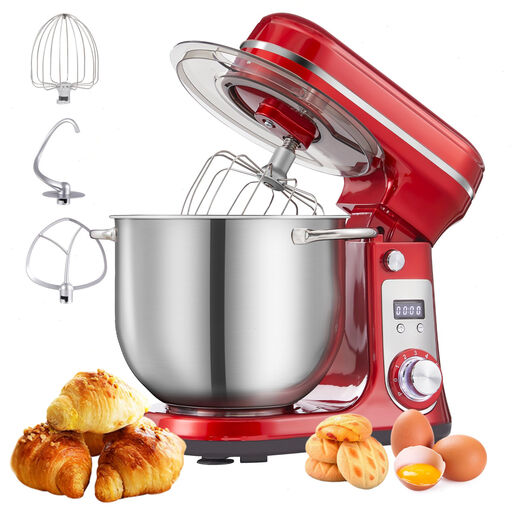
BioloMix BM601, red
If you’re considering a larger bowl, check that the permitted batter quantity suits your recipe; the litre capacity doesn’t tell you the limit.
Bowl: 6 litres. 6 speeds and a pulse setting. Power: 1200 W.
View at Joybuy
 No image available
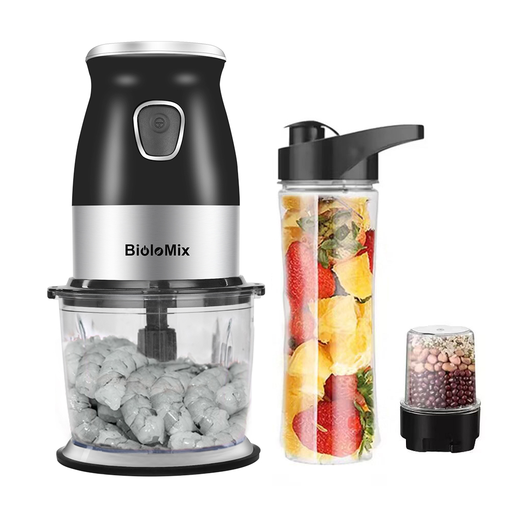
BioloMix BM816
For cake batter, check which attachment comes with this model and what the instructions permit; the product name describes it as a stand mixer.
Power: 500 W. One-knob control.
View at Joybuy
 No image available
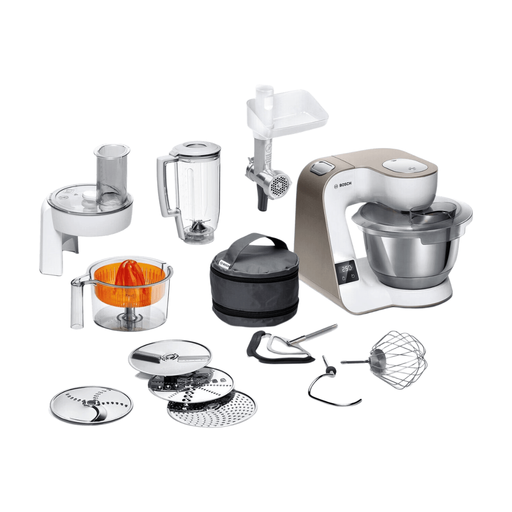
Bosch MUM5XW40 food processor
The product name describes it as a food processor; check specifically whether the included attachments and instructions are suitable for your cake batter.
Power: 1000 W.
View at Joybuy
 No image available
AUCMA stand mixer, 5 litres, black
The product name describes it as a stand mixer and mentions a beater; check the instructions for the permitted batter quantity and how to use the attachment.
Bowl: 5 litres. 10 speeds. The product name lists a dough hook, whisk and beater.
View at Joybuy
Frequently asked questions about mixers for cake batter
Do I need a stand mixer or a food processor for cake batter?
If mixing and whisking are the main tasks, a stand mixer is likely to be the better choice. The Dutch Consumers’ Association describes a food processor as mainly for slicing, grating and chopping. For any appliance, check which mixing tasks and attachments are listed in the instructions.
Which attachment should I use for cake batter?
KitchenAid recommends using a flat beater and starting at a low speed with its mixers. For other brands, check which beater is included and follow the instructions for the exact model.
What should I consider when cleaning and managing allergens during a workshop?
Follow the cleaning instructions for every bowl and attachment. If allergens are involved, take care to keep different preparations separate. According to the Netherlands Food and Consumer Product Safety Authority (NVWA), certain types of commercial food preparation or sales must meet requirements for safe food handling and allergen information. Exactly what applies depends on how the workshop is run.
Is a CE marking relevant for an electric mixer?
Yes. The Dutch government lists electrical appliances among the products that require a CE marking in the EU. Check the marking and product information for the exact version; a sales page alone doesn’t confirm that a particular item meets the relevant requirements.
What warranty applies to a mixer I buy for workshops?
For a purchase made as a consumer, the Dutch consumer authority’s ConsuWijzer says that the legal guarantee applies in addition to any manufacturer’s warranty. The retailer is responsible if the product doesn’t meet what you could reasonably expect under normal use. If you’re buying for business or planning intensive workshop use, ask separately which terms apply.


