
Baker with a narrow cupboard
Wants to put a stand mixer away after making cake batter, so compares its dimensions with the cupboard space available.


First, measure the height, width and depth of your cupboard, and allow for the space you’ll need to use the mixer. Then choose a mixing beater and stated batter capacity to suit the recipes you usually make. A larger bowl or extra attachments may also need more storage space. Manufacturer capacity figures aren’t independent mixing test results, so compare the exact model and check its safety information too.
Wants to put a stand mixer away after making cake batter, so compares its dimensions with the cupboard space available.
As well as considering how easy it is to store, looks for a bowl and stated batter capacity suited to their usual recipe size.
Is considering extra attachments, but also wants to know how much space the separate parts will take up.
Start by checking whether the mixer will fit, then weigh up the amount of batter and any extra parts against the space you have available.
| What to consider | What to look for | Who is this important to? |
|---|---|---|
| Dimensions | Measure the height, width and depth of the cupboard space and compare them with the exact model. Allow for the space you’ll need to use the mixer and bowl too. | If I have limited cupboard space, I want to know whether the whole machine will fit and whether I can use it comfortably in my work area. Around 36% of consumers give cupboard dimensions top priority. |
| Mixing batter | Check whether a mixing beater is included and compare the stated cake capacity with the weight of your recipe. | For pear cake, I want to know whether the supplied beater and stated batter capacity suit the recipe I’m making. Around 29% of consumers put batter suitability at the top of their list. |
| Amount per batch | Use the stated cake batter capacity in kilograms to compare with your recipe; bowl capacity in litres is a different measurement. | If I often make larger cakes, I want to compare my recipe with the model’s batter capacity. This is the main consideration for around 21% of consumers. |
| Attachments and care | Check what’s included with the exact model and consider where you’ll store separate parts and how they need to be cleaned. | If you have little room for attachments or want to keep cleaning to a minimum, pay particular attention to what’s included and how it needs to be cared for. Around 14% of consumers give this top priority. |
Calling a mixer compact doesn’t tell you whether its height, width and depth will fit your cupboard. If it won’t fit in the cupboard space, you’ll have to store it somewhere else.
Measure all three dimensions of your cupboard and compare them with those of the exact model.
Litres describe the bowl’s capacity; the stated amount of cake batter may be given separately in kilograms. One figure doesn’t tell you directly how much batter you can make.
Compare the weight of your usual recipe with the stated cake capacity of the specific model.
Similar model names don’t guarantee that attachments will fit. Extra slicing parts may also need more storage space.
Check the full model code, what’s included in the box and whether any accessories are compatible.
The Go KZM35.000GY is designed for baking and may be worth considering if cupboard width is your main constraint.
The Serie 2 MUMS2AW01 is a relatively low-profile model for anyone weighing up batter quantities and extra food preparation against available storage space.
The Bake Partner QB525838 may be a good fit if you’d like to use the extra kitchen functions listed, as well as make cake batter.
The Artisan 5KSM193 is an option if you’re considering a stand mixer with a 4.7-litre bowl and the mixing attachments listed.
These stand mixers have product information covering mixing and batter preparation. Before buying, check the dimensions of the exact model and whether its capacity suits your recipe. The Dutch Government says electrical appliances placed on the EU market must have a CE marking; check the safety information for the specific model.
 No image available
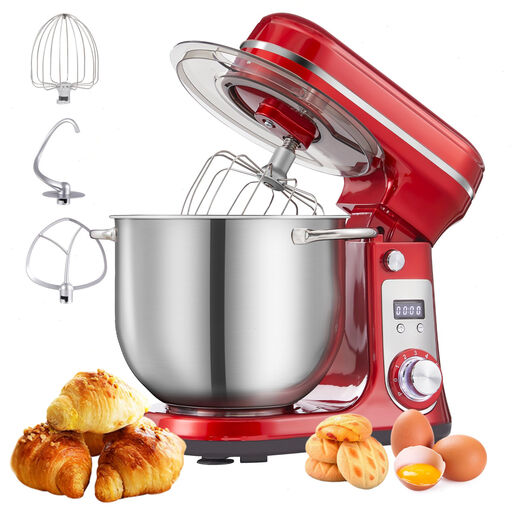
The product information mentions cake preparation; compare the bowl capacity with your recipe and check the cupboard dimensions for this model.
5.5-litre bowl and 11 speeds, according to the product name.
According to the product information, the bowl and accessories aren’t dishwasher-safe.
 No image available
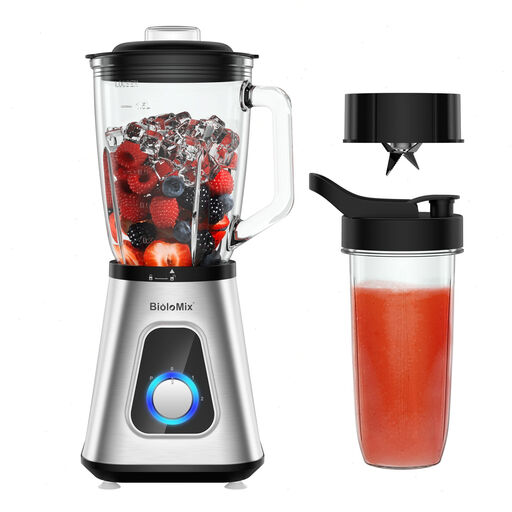
The product information mentions mixing and dough preparation; check that the stated bowl capacity and dimensions suit your recipe and storage space.
6-litre bowl, 1,200 W, 6 speeds and a pulse setting, according to the product name.
 No image available
The product information mentions batter and meringue. Check whether the stated capacity suits the amount you want to prepare.
1.5-litre glass bowl and 1,300 W motor, according to the product name; the name also mentions a 600 ml bottle.
 No image available
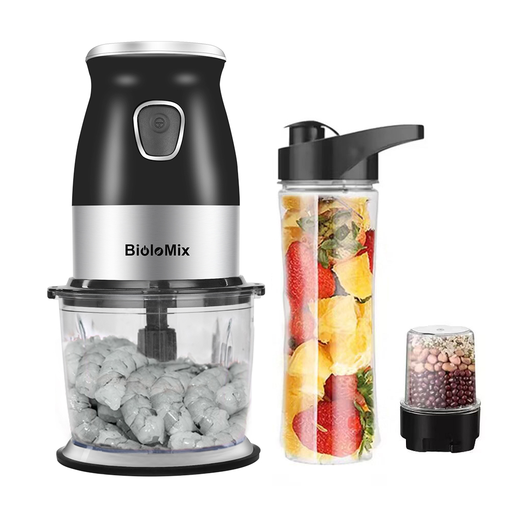
The product information mentions batter, cream and dough preparation. Check the capacity and dimensions of the exact model before choosing it for your recipe.
The product name lists a 500 W motor.
 No image available
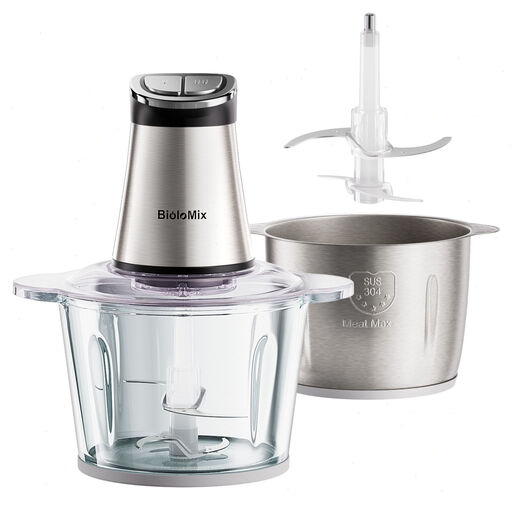
The product information mentions mixing, whipping cream and kneading dough. Compare the stated capacity with your usual batch size and check the dimensions against your cupboard.
3-litre bowl, 300 W, 2 speeds and an LED timer, according to the product name.
No. Bowl capacity and stated cake capacity are different measurements. Kenwood lists a 4-litre bowl and a separate cake capacity of 1.8 kg for the KZM35.000GY; Bosch lists 3.8 litres and a maximum of 2.4 kg of cake batter for the MUMS2AW01. Compare the stated batter capacity with the weight of your recipe.
Follow the instructions for the exact model when assembling and cleaning it, and don’t taste raw cake batter. According to the Netherlands Nutrition Centre, raw egg and flour can contain harmful bacteria; this is particularly relevant for groups including young children and pregnant women.
No, you don’t need to buy extra cover to benefit from your statutory rights. ACM ConsuWijzer explains that statutory guarantees apply even if you haven’t bought additional cover. If a product doesn’t meet reasonable expectations when used normally, the seller is responsible for offering an appropriate solution.
Check that the information for the exact model states that it has the required CE marking. The Dutch Government says electrical appliances placed on the EU market must have a CE marking; this general rule doesn’t confirm that an individual listing or model has already been checked.