
Baking for the whole neighbourhood
Wants to match the amount of batter per batch to a cake for a larger group, rather than focusing only on the bowl’s capacity in litres.


Choose a stand mixer based on the weight of your recipe per batch and the cake batter capacity specified by the manufacturer for the exact model; bowl capacity in litres is no substitute for this. A flat beater or similar cake beater may be suitable, while a more compact model may require you to mix in several batches. Before buying, also check that the specific appliance carries the required CE marking: the NVWA’s general requirement does not confirm that every appliance on sale complies.
Wants to match the amount of batter per batch to a cake for a larger group, rather than focusing only on the bowl’s capacity in litres.
Wants a stand mixer that’s easy to position and store, and is happy to mix in several batches if needed.
Is mainly looking for the right included attachment for cake batter and parts that are easy to clean.
Start with the weight of one recipe, then check the included beater for cake batter and compare the mixer’s dimensions with your available worktop space.
The breakdown below covers consumers choosing a stand mixer for this baking task, grouped by their main buying concern.
| What to consider | What to look for when buying | Who should prioritise this? |
|---|---|---|
| Amount per batch | Weigh the ingredients for one recipe and compare the total with the cake batter capacity specified for the exact model; don’t treat bowl capacity in litres as the weight of the batter in kilograms. | When I’m baking for a neighbourhood gathering, I want to know how much batter I can safely mix in one batch. Consumers who prioritise the amount per batch make up around 36% of this breakdown. |
| Beater and mixing | Check whether the model comes with a flat beater, K-beater or similar cake beater. Follow the recipe and instruction manual for speed and mixing time. | I want to use the right attachment for cinnamon cake and mix the ingredients according to the recipe. Consumers who focus mainly on the beater make up around 29% of this breakdown. |
| Worktop and storage space | Compare the stated dimensions with the space you have available, and consider how much batter you want to make per batch. | If my worktop and storage space are limited, I want to know whether a more compact appliance will fit, even if I may need to mix in several batches. Consumers who prioritise space make up around 21% of this breakdown. |
| Cleaning and support | Read the cleaning instructions for the bowl and attachments, and check who the seller is in case a fault develops. | After baking, I want to know how to clean the parts and who to contact if there’s a problem with the mixer. Consumers who prioritise maintenance and support make up around 14% of this breakdown. |
Bowl volume and cake batter capacity are different measurements. A 4-litre bowl doesn’t mean you can put 4 kg of batter in it.
Compare the weight of your recipe with the cake batter capacity stated by the manufacturer for the exact model.
A cake beater, whisk and dough hook are different attachments. Check which one the product information and manual recommend for cake batter.
Check the attachments included with the exact model, and follow the recipe and appliance instructions.
A manufacturer’s warranty or an additional warranty you buy is separate from your statutory rights. The Netherlands government advises that, if a product is faulty, you should ask the seller to put things right.
Compare the terms of any additional warranty with your existing rights, and report any fault to the seller.
The Serie 2 and Serie 4 models mentioned give different information about bowl size and processing capacity. Compare specifications only for the exact model.
The models mentioned range from the compact Go KZM35.000GY to the Titanium Chef Baker XL KVL85.004SI.
The Artisan 5KSM175PSEAC is a tilt-head model supplied with several attachments.
The 6-litre KitchenBrothers model mentioned is different from the KB790.
These stand mixers are options to compare for cake batter and other baking mixtures. Check the attachment and product information for each model. Before buying, also check that the specific appliance carries the required CE marking: the NVWA’s general requirement does not confirm this for every appliance on sale.
 No image available
The product information says the included beater is for batter, making this a model worth comparing for cake batter.
The product title lists a 6L bowl, 6 speeds, a tilt-head and a 450W motor.
 No image available
The product information lists a K-beater for batter. Check which attachments are included with this model, and follow the manual for mixing instructions.
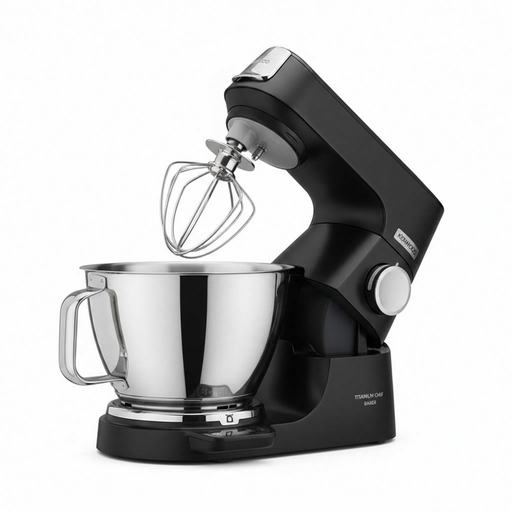 No image available
The product information mentions fruit cake mixes and built-in scales, which may be useful if you want to weigh ingredients as you prepare them.
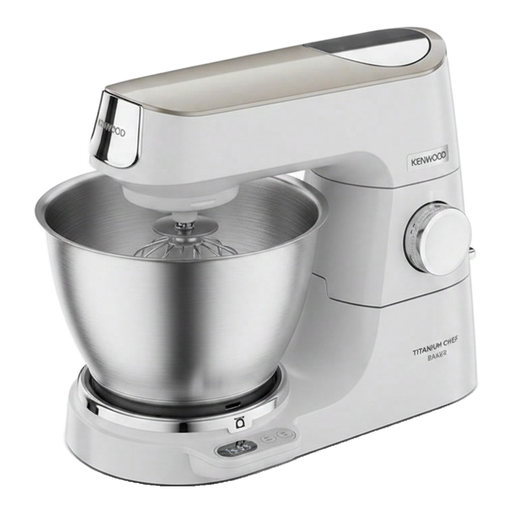 No image available
The product information lists a K-beater for batter and built-in scales for weighing ingredients as you prepare them.
 No image available
The product information says it can mix cake batter. Before choosing it for large batches, compare the capacity specified by the manufacturer for this exact model with the weight of your recipe.
Weigh the ingredients for one batch and compare the total with the cake batter capacity specified by the manufacturer for the exact model. Bowl capacity in litres is not automatically an equivalent measure.
Check your recipe and mixer manual. KitchenAid says the flat beater is suitable for cake batter; Kenwood lists a K-beater for the kMix model consulted. Follow the instructions for speed and mixing time.
Follow the cleaning instructions for the bowl and each attachment supplied with your model. Don’t assume that all parts are dishwasher-safe just because this is stated for some accessories.
A stand mixer covered by the applicable rules for electrical products must carry the required CE marking. The NVWA says CE marking is compulsory for the relevant electrical product categories; check the marking on the specific appliance.
No. According to the Netherlands government, there is no fixed statutory warranty period in the Netherlands; you’re entitled to a product that works properly for as long as you could reasonably expect it to. If a product is faulty, contact the seller.