
Vandaag of morgen in huis

Kwaliteit gegarandeerd

Welkomstaanbiedingen ontgrendelen: GRATIS bezorging | Tot 80% korting | Gratis 30 dagen JoyPlus-proefperiode
Download de app
A stand mixer can whisk batters, knead dough and combine ingredients without you having to stir constantly. Even so, a purchase isn’t guaranteed to be a success. High wattage, a large bowl or a long list of attachments doesn’t necessarily tell you how easy it is to use.
For home bakers, keen cooks and families, three pitfalls matter most:
A stand mixer, kitchen mixer or electric mixer with bowl is ideal if you regularly make larger batches. The bowl stays put while the motor does the mixing, whisking or kneading for you. For bread, pizza and yeasted dough, a dedicated dough mixer with a dough hook is far more practical than a simple hand mixer.
When comparing models, look out for:
Don’t assess wattage in isolation from the build. You’ll see models from 400 to 1500 watts, but product specs don’t always use the same measurement method. Some brands quote peak power, others list nominal power. So rely on the combination of motor power, recommended dough capacity, speeds and rest time.
A bowl of around 4 litres is often enough for smaller households. For families, or if you’re making several loaves back to back, 5 to 7 litres is more practical. A bigger bowl does take up more space, though. Measure your worktop and check the height with the head raised.
Watch out for conflicting product information. If, for example, the title lists a different wattage or bowl volume than the technical table, check the manual or ask the seller to clarify. That way you won’t end up with a mixer for bread and baking that handles less dough than you expected.

Why this fits the profile: A straightforward 5-litre mixer for cake batter, biscuits, cream and occasional bread dough. The core accessories are included, so you don’t have to buy extras straight away.
The product specifications list a stainless-steel bowl, 10 speeds, pulse function and overheat protection. For heavy dough, do check the maximum quantity in the manual.
5 litres, 10 speeds, pulse, tilt-head, dough hook, whisk, beater and splash guard.
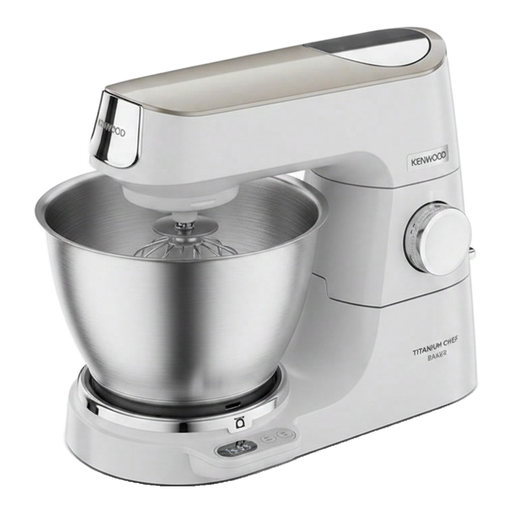
Why this fits the profile: For those who bake often and value weighing, controlled mixing and a metal build. The built-in scales let you measure ingredients directly in the bowl.
Capacity is specified at 5 litres and the model lists variable speed plus pulse. That lets you compare capacity and control clearly instead of relying on marketing terms alone.
1200 watts, metal housing, stainless-steel bowl, integrated scales, dough hook, whisk and K-beater.
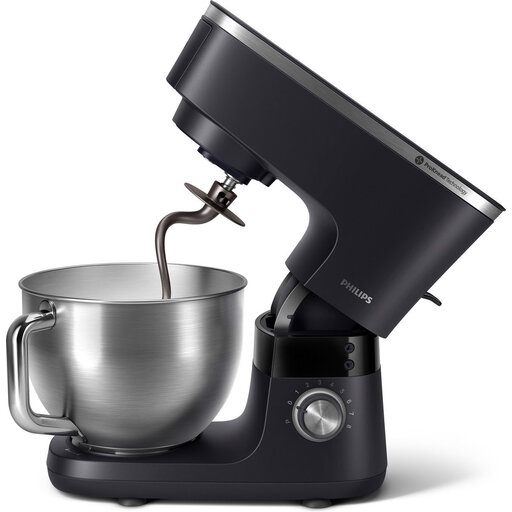
Why this fits the profile: For households that want to blend and mince as well as bake. The included blender and meat mincer make this model more versatile than a standard kitchen mixer.
The product description specifies 1000 watts, 8 speeds and a 5.5-litre bowl. The blender is 1.5 litres; check in advance that the extra accessories suit your storage space and recipes.
5.5 litres, 1000 watts, 8 speeds, 1.5-litre glass blender, meat mincer, timer and splash guard.
We’ve compiled a complete, up-to-date list of products that fully meet these strict selection criteria and current European safety regulations.
A stand mixer won’t automatically last longer just because it has a metal body or a more powerful motor. Use the machine within the limits set out in the manual.
Some brands state in the product description that accessories are dishwasher safe, but that doesn’t automatically apply to every part. Always check the model-specific advice.
Yes, provided the model has a dough hook and the permitted dough capacity suits your recipe. Start slowly and avoid filling the bowl to its maximum volume. For frequent heavy bread dough, motor protection, stability and a clear recommended operating time matter more than wattage alone.
For a smaller household, around 4 litres may be enough. A 5 to 6 litre bowl gives you more room for family portions, cake batter and dough. Don’t just look at total bowl volume: also check the maximum quantity of dough or batter the manufacturer permits.
Consumption depends on power and runtime. A 1000-watt model running for 10 minutes uses roughly 0.17 kWh in theory; actual consumption varies with load and speed control. Mixing briefly and choosing the right speed helps keep unnecessary energy use down.
