
Vandaag of morgen in huis

Kwaliteit gegarandeerd

Welkomstaanbiedingen ontgrendelen: GRATIS bezorging | Tot 80% korting | Gratis 30 dagen JoyPlus-proefperiode
Download de app
A stand mixer can make kneading, mixing and whisking much easier. But a high wattage or a large bowl doesn’t automatically make it the right choice. A stand mixer that looks versatile on paper might take up too much space in your kitchen, struggle with heavy dough or come with accessories you’ll hardly ever use.
So think about the way you bake. If you only make cake batter now and then, you’ll need different features from someone who makes bread, pizza or brioche every week. A ready-made bread mix can also be handy, but always check the ingredients and allergen information before choosing a product.
A higher wattage might sound appealing, but it doesn’t tell you everything about performance. The motor design, gearing, bowl shape and maximum running time all matter too. A kitchen mixer with a lower stated wattage may be suitable for everyday home use, while a more powerful model could still overheat when handling too much heavy dough.
As well as the wattage, check:
A 5 or 6-litre bowl gives you plenty of space, but you can’t always fill it to the top. Yeast dough in particular can expand or put a strain on the motor while kneading. So don’t just look at the capacity: check the instructions and the types of recipes you want to make too.
A stand mixer with a bowl of 5 litres is often a practical choice for families and everyday baking. A 6-litre model may be a better fit if you make larger quantities of bread dough, pizza dough or cake batter.
Terms such as “quiet”, “professional” and “planetary mixing” aren’t always directly comparable. Check how measurements are taken and look at the technical specifications. A stated noise level in decibels often applies only under specific conditions, such as measured from one metre away.
Also check which accessories are actually included. A whisk, dough hook and flat beater are more useful for home bakers than a long list of optional accessories that you have to buy separately.
For cake batter, whipped cream and light mixtures, having several speed settings is more important than focusing on maximum power alone. For bread and pizza, sufficient torque at low speed is particularly important. A dough mixer should be able to work the dough evenly without moving around on your worktop.
Built-in overheating protection is useful, but it doesn’t replace the instructions. Let an electric mixer cool down when the manufacturer recommends it, and don’t exceed the maximum quantities.
A baking mixer with several speed settings gives you more control:
The dough hook is designed for bread and pizza dough, the whisk for light, airy mixtures and the flat beater for batters. Check that the attachments are securely fitted and whether the instructions say they’re dishwasher-safe.
Measure the available space first, including the height when the head is raised. A metal housing can feel sturdy, but the extra weight makes the appliance harder to put away. Non-slip feet or suction cups help prevent it from moving around while kneading.
For a stainless-steel bowl, check its capacity and handles. A splash guard can reduce cleaning, but it won’t always stop light ingredients from flying up when you first start mixing.

Why it suits this type of user: The 5-litre bowl and dimensions of 35,4 × 22,5 × 29,6 cm make it a good fit for everyday home baking, from cakes and bread to pizza.
The specifications list 10 speeds, a pulse function and overheating protection, so you can look beyond the 400 W motor power alone.
5-litre stainless-steel bowl, three essential attachments, pulse function and non-slip feet.
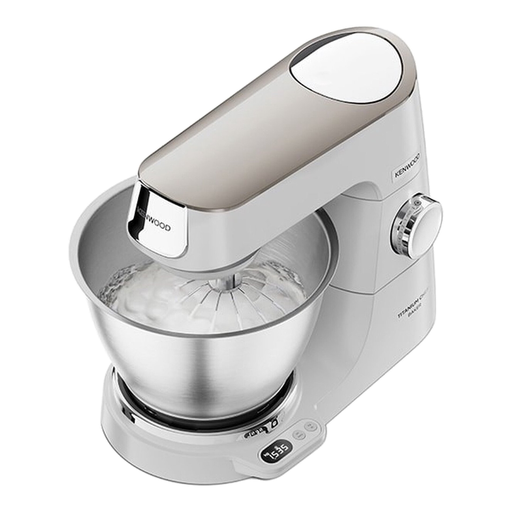
Why it suits this type of user: The built-in scales, 1200 W motor and XL design are handy if you often make several types of batter and dough.
The product specifications cover more than just power: they also include a 7-litre bowl, integrated scales and variable speed with a pulse function.
Weigh ingredients directly in the bowl, LightLift head and a delicate mixing function for light, airy recipes.

Why it suits this type of user: The generous bowl and included dough hook are well suited to larger batches of bread, pizza and pastry dough.
The stated specifications include 450 W, six speeds, a pulse function, overheating protection and a maximum continuous running time of six minutes.
6-litre stainless-steel bowl, splash guard, dough hook, whisk and beater, with stable suction feet.
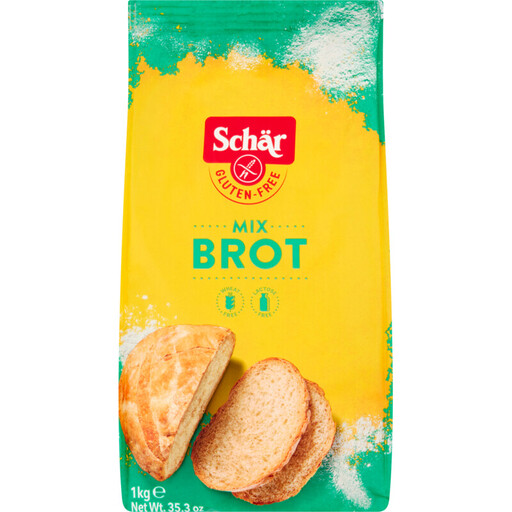
Why it suits this type of user: This ready-made gluten-free bread mix is designed for bread and, according to the product description, can also be used for pizza dough.
The packaging states that it’s gluten-free, lactose-free and wheat-free. Always check the current label and allergen information before use.
1 kg mix with maize starch, rice flour, lentil flour and psyllium fibre; according to the product information, suitable for kneading by hand or use in a bread maker.
A bread mix is handy if you’d rather not weigh out several ingredients separately. According to the product information, Koopmans White Bread Mix only needs water and can be used in an oven or bread maker. The Waldcorn mix contains wheat, barley, oats and rye, among other ingredients, so it isn’t suitable for a gluten-free diet.
A gluten-free bread mix calls for extra care around cross-contamination, preparation and the label. The Schär mix states that it contains no gluten, lactose or wheat, but it also lists soya as an allergen. Check the current packaging, especially if food allergies or intolerances are a concern.
We’ve put together a complete, up-to-date list of products that meet these strict selection criteria and the applicable European safety requirements.
Yes, as long as the model has a dough hook and you stay within the quantity limits in the instructions. Heavy dough puts more strain on the motor than cake batter. So use a low speed and observe the recommended rest periods.
Its lifespan depends on how it’s used, maintained, loaded and stored. A mixer that’s regularly pushed too hard may wear out sooner. Clean the bowl and attachments according to the instructions, keep the ventilation openings clear and only use compatible parts.
Energy use depends on the wattage and how long you use the appliance. Theoretically, a 1.200 W appliance uses more power per hour than a 400 W model, but a shorter preparation time could narrow the difference. So consider how often you actually bake rather than looking at wattage alone.
