
Running several baking sessions
You want to mix batches one after another, balancing bowl space, mixing time and cleaning between batches.


Start with a suitable beater and a speed that lets you add dry ingredients under control. Then compare the quantity in your recipe with the bowl and the usage limits for the specific model. A larger bowl or extra accessories aren’t automatically more useful: available worktop space, cleaning between batches and how you plan to use the mixer may matter more.
You want to mix batches one after another, balancing bowl space, mixing time and cleaning between batches.
You want to add ingredients in a controlled way and show participants when the batter is mixed enough.
You’re looking for a practical set-up and don’t want to make room for features the workshop doesn’t need.
First compare the beater and controls, then check your recipe quantity against the bowl and the manual. Also make sure the machine and any extra features will fit on your workshop table.
| What to consider | What should you check? | Who is this important for? |
|---|---|---|
| Batch size and bowl space | Compare the quantity in your own recipe with the manual for the specific model and the space around the bowl. | If I’m running several groups one after another, I want to know how much batter will realistically fit per batch. Around 29% of consumers prioritise portion size and bowl space above all else. |
| Control while mixing | Check whether a suitable flat beater is included and whether you can start slowly and stop part-way through. | When I’m helping beginners, I want to add flour and cocoa carefully and decide when to stop. Around 29% of consumers prioritise control while mixing above all else. |
| Cleaning between batches | Check which parts of the exact version are removable or dishwasher-safe, and follow the manual. | If I’m cleaning between groups, I want to know how the bowl and attachments can be cleaned. Around 24% of consumers prioritise cleaning between batches above all else. |
| Worktop space and equipment | Measure the available table space, check the dimensions and compare the included accessories with what you’ll actually use. | On a busy workshop table, I want to leave room for ingredients and participants without factoring in features we won’t use. Around 18% of consumers prioritise the set-up and having the right level of equipment above all else. |
The bowl’s capacity in litres tells you how much it holds, but not how much brownie batter from your recipe will practically fit. A batch that’s too large for your chosen method may mean you have to mix it in several rounds.
Work out the quantity in your own recipe and check the usage limits in the manual for the exact model.
If you’re running several groups, allow time for separate mixing rounds.
Motor power or a claim about making dough won’t, on its own, tell you whether the included beater and controls are right for your brownie batter.
Compare the attachments and controls with your recipe, and check that you can start slowly and assess the mixture as you go.
The manual for the Bourgini Elements 22.9062.00.00 states that this specific appliance is intended for domestic use only.
Establish how the workshop will be run, and check that the intended use of your chosen model is covered by its manual and terms.
The Chef KVC3110S is worth comparing if its 4.6-litre bowl and variable speed control suit your workshop batches.
The Artisan 5KSM175PSECA is worth considering if switching between two bowls or different beaters would be useful for successive batches.
The MUM58L20 gives you a point of comparison if you want to match the bowl and dimensions to the available worktop space.
The HR7962/21 is an option to compare if you’ll use the included extra features as well as the mixing function.
The Elements Kitchen Chef 4.5L, product number 22.9062.00.00, is worth comparing for use that falls within the manual’s guidelines.
These product picks are aimed at workshop batches where you want to compare the stated bowl capacity and controls. Bowl capacity isn’t an established measure of brownie batter capacity; check your recipe and the model’s manual.
 No image available
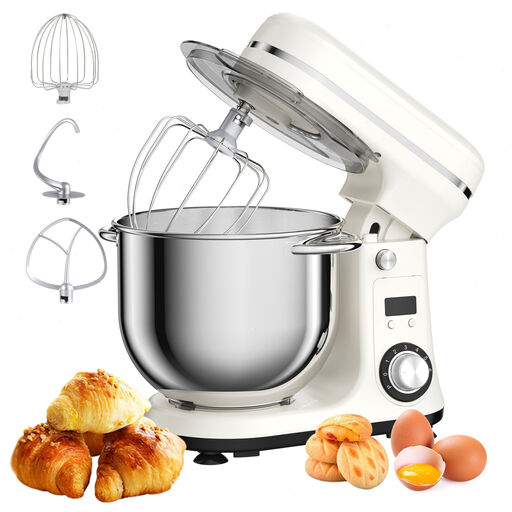
Compare this model if you’re looking for a mixer with a stated bowl capacity and adjustable controls for workshop batches.
The product name lists a 5.5-litre bowl, 11 speeds and an LED touchscreen. Bowl capacity isn’t the same as brownie capacity.
 No image available
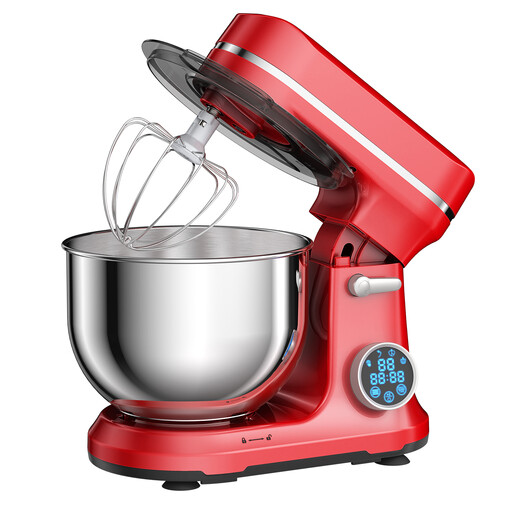
Compare this model if you want to factor multiple speeds and a pulse setting into your choice for workshop batches.
The product name lists a 6-litre bowl, six speeds and a pulse setting. The stated bowl capacity doesn’t tell you how much brownie batter will fit in each batch.
 No image available
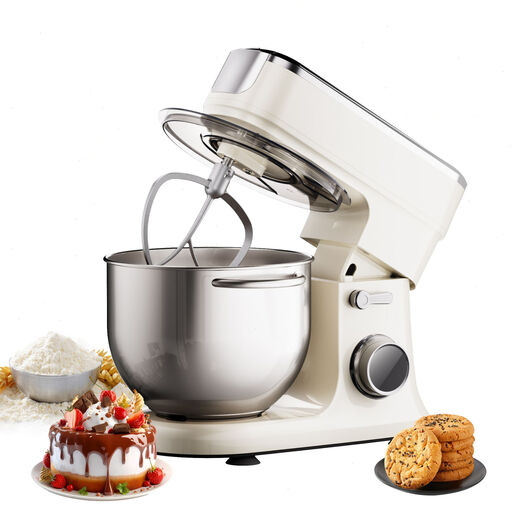
Compare this model if you want to weigh up adjustable speeds and parts described as dishwasher-safe in the product details.
The product description lists a 5-litre bowl, a planetary mixing system and 11 adjustable speeds. The stated bowl capacity isn’t the same as brownie capacity.
 No image available
Compare this model if you want to factor in a larger stated bowl capacity and easy-to-clean parts for successive batches.
The product name lists a 7-litre bowl, adjustable speeds and dishwasher-safe parts. Check the usage limits for your recipe.
 No image available
Compare this model if you want to consider an appliance with a mixing function and an included whisk.
The product name lists a 5-litre bowl. The stated dough capacity isn’t an established measure of brownie batter capacity; according to the product information, the whisk can be washed by hand.
A flat beater, or one designed for batters, is a sensible place to start. Add the flour and cocoa carefully, stop as soon as the dry ingredients are incorporated and scrape down the bowl with a spatula if needed. The brownie instructions referenced are recipes, not a comparative product test.
Follow the manual for the exact model and clean the bowl and attachments between batches. Check whether each part is dishwasher-safe, and follow the instructions for the motor housing.
For a consumer purchase, statutory rights are separate from any additional manufacturer’s or seller’s warranty. According to ACM ConsuWijzer, the seller is your point of contact if a product is faulty. Check the terms if the mixer is bought or used for a business workshop, as this consumer guidance doesn’t determine your rights when making a business purchase.
If you offer food to consumers, the Netherlands Food and Consumer Product Safety Authority says there are rules on providing allergen information for unpackaged products. Ondernemersplein explains that businesses working with food need a food safety plan based on HACCP principles or an approved hygiene code. Whether a workshop is run as a business depends on how it is actually organised; a stand mixer doesn’t replace these obligations.