
Baker making one large batch
You want to prepare the dough for your gathering in as few batches as possible. So compare the stated dough capacity, not just the bowl size.


Choose based on the total dough weight and the stated capacity for the type of dough you’re making, not just the bowl size. A larger capacity can reduce the number of batches you need to knead, while several smaller batches may be more practical if you have time to plan them. Manufacturer capacity claims are not independent tests of heavy or wholemeal bread dough.
You want to prepare the dough for your gathering in as few batches as possible. So compare the stated dough capacity, not just the bowl size.
You can schedule several batches and proving times, and want a machine that’s also suitable for smaller baking sessions.
You want to knead bread dough and tackle other mixing or whisking tasks for the same gathering. The attachments supplied and ease of use matter too.
First, work out how much dough your recipe makes and how many batches fit into your schedule. Then compare this with the capacity for the right type of dough.
| What to consider | What should you check? | Who is this important for? |
|---|---|---|
| Dough capacity per batch | Calculate the total dough weight and the number of batches. Look for the model-specific capacity for dough or yeast dough. | If I need to knead a large quantity for the gathering in one go, I want to keep the number of batches down. Around 36% of consumers prioritise making a large batch of dough at a time. |
| Suitability for bread dough | Check which type of dough the stated capacity applies to, and which dough hook and usage limits apply to the exact model. | I want to know whether the machine suits the bread dough I make, not just cake batter. Around 29% of consumers give suitability for their own dough the highest priority. |
| Batch planning and ease of use | Check which bowls and attachments are included, and whether the machine fits on your worktop. | If I’m preparing several things one after another, weighing ingredients, changing attachments and cleaning up all affect my schedule. Around 21% of consumers place the greatest importance on batch planning and everyday ease of use. |
| Purchase, accessories and aftercare | Check what’s included, the terms for parts and repairs, and who to contact if something goes wrong. | I want to use the machine after the gathering too, and know which accessories and service terms apply. Around 14% of consumers prioritise the purchase, accessories and aftercare. |
The stated capacity for cake mix is not the same as the capacity for yeast dough. For example, Bosch states a maximum of 3 kg of yeast dough and, separately, 3.6 kg of cake mix for the MUMS8ZS00.
Plan your batches around the capacity for your type of dough and the instructions for the exact model.
A difference between the planned and actual dough capacity could mean extra batches to knead.
The Consumentenbond says its stand mixer test used a light white-bread mix, and did not test heavier dough such as wholemeal bread dough.
Don’t use that test as proof of how the machine will handle your heavier recipe; check the limits and instructions for the exact model.
There is no fixed statutory warranty period in the Netherlands. An extended warranty is separate from your statutory rights and does not replace the point of contact for a faulty product.
Read what any extended cover includes, and contact the seller if something goes wrong.
Ankarsrum lists a 7 L bowl and a maximum dough capacity of 5 kg for the Assistent Original AKM6230.
Bosch states a maximum of 3 kg of yeast dough for the MUMS8ZS00 and 1.5 kg of yeast dough for the MUMS6EW22. For the MUMS2VM00, Bosch lists a maximum dough capacity of 2.0 kg without specifying the type of dough.
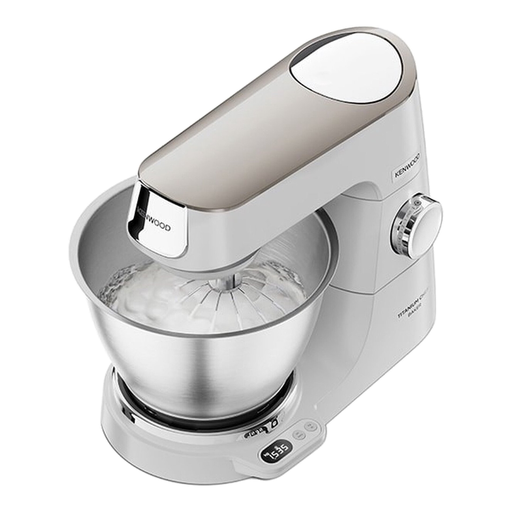
For the Titanium Chef Baker XL KVL85.004SI, Kenwood states a dough capacity of 2.56 kg, two bowls of 5 and 7 L, and built-in scales.
According to KitchenAid, the KitchenAid Artisan 5KSM70SHXECA has a 6.6 L bowl and comes with a dough hook.
These Joybuy products are stand mixers whose product information mentions kneading dough. Compare the stated features with the quantity and type of dough you want to make.
 No image available
The product description mentions heavy bread dough as a possible use; the product title lists a 5.5 L bowl and 11 speeds.
 No image available
The product description mentions kneading bread dough; the title lists a 5.5 L bowl, 11 speeds and 5 preset programmes.
 No image available
The dough hook makes this model worth comparing if you’re looking for a stand mixer for dough preparation.
The product title lists a 6 L bowl, 6 speeds, 450 W, a dough hook, a whisk and a beater.
 No image available
The product information lists kneading and mixing as functions. Check the dough capacity and attachments included with this exact version before planning your batches.
 No image available
The product description mentions kneading heavy dough; check the capacity for the exact version and follow its instructions.
Weigh all the ingredients in your recipe together to work out how much dough you want to make in total. Divide the work into batches that fit the stated capacity and instructions for the exact machine. Compare like with like: Bosch states a maximum of 3 kg of yeast dough for the MUMS8ZS00 and, separately, 3.6 kg of cake mix.
No. KitchenAid recommends speed 2 for yeast dough on its mixers and provides its own guidance on kneading time. For another brand or model, follow the instructions supplied with it rather than automatically applying KitchenAid’s guidance.
Don’t taste raw bread dough: according to the Voedingscentrum, harmful bacteria can also be present in flour. Wash your hands before and after handling raw dough, and clean all the equipment you’ve used thoroughly.
When you buy from a business online, you usually have a 14-day cooling-off period, as explained by the Dutch government (Rijksoverheid). You also have statutory rights in the Netherlands if a product is faulty; there is no fixed statutory warranty period. If something goes wrong, contact the seller and check separately what any manufacturer’s or additional warranty covers.
Yes. Selling bread is different from baking it at home for your neighbours. The NVWA sets out food safety rules for selling at markets and events, and says that anyone who prepares and sells food several times a year must use a food safety plan. The rules that apply depend on exactly what you organise and sell.