
Vandaag of morgen in huis

Kwaliteit gegarandeerd

Welkomstaanbiedingen ontgrendelen: GRATIS bezorging | Tot 80% korting | Gratis 30 dagen JoyPlus-proefperiode
Download de app
A good set of pans is the foundation of any kitchen. More and more home chefs and families are switching to stainless steel pans due to their durability and because they are a PFAS-free pan option. But the search can feel like a minefield. Many pans that look good at first glance turn out to be a poor investment in practice.
As a Joybuy Product Recommendation Officer, I'm here to help you see through the marketing jargon. Let's look at the most common pitfalls so you can choose a pan you'll enjoy for years to come.
Before you invest in new cookware, it's crucial to know what to look for. Many buyers fall into these two traps:
To avoid the problems above, you don't need to be a materials scientist. Just pay attention to these two concrete specifications.
The term 'stainless steel' is broad. For cookware, you want to look for 304 stainless steel, also known as 18/8 or 18/10 stainless steel. This material is:
A pan made of 304 stainless steel is the foundation for durable pans that will last a lifetime.
The base is the engine of your pan. A pan with a tri-ply (three-layer) or multi-ply base performs significantly better. Such a base usually consists of:
This construction prevents hot spots and gives you the control needed for everything from cooking delicate fish to perfectly searing a steak. This is a feature often found in professional-grade pans.
Based on these objective criteria, we have selected a number of pans that suit different cooking styles and households.
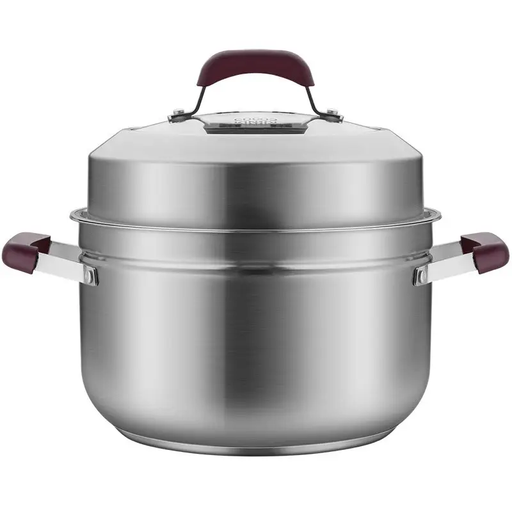
Why This Fits Their Persona: Ideal for families who cook large portions. This multifunctional stainless steel steamer is perfect for steaming vegetables, boiling pasta, or making a large pot of soup. The transparent lid makes it easy to monitor the cooking process.
This pan is explicitly made from 304 stainless steel, helping you avoid the 'stainless steel look' pitfall. It is suitable for all heat sources, including induction, which indicates a solid base.
Very large 10.5-litre capacity and a multifunctional design for boiling, steaming, and straining. A true all-rounder for the family kitchen.
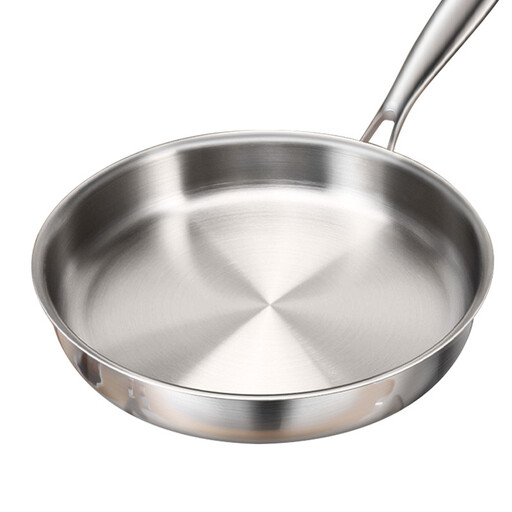
Why This Fits Their Persona: For those who seek precision and control. This stainless steel frying pan is perfect for searing meat, frying pancakes, or making sauces, where an even temperature is crucial for the result.
The tri-ply construction with an aluminium core directly tackles the pitfall of a poor-quality base. This ensures superior, even heat distribution without hot spots.
Exceptional heat control and durability. The surface is scratch-resistant, even when using metal utensils.
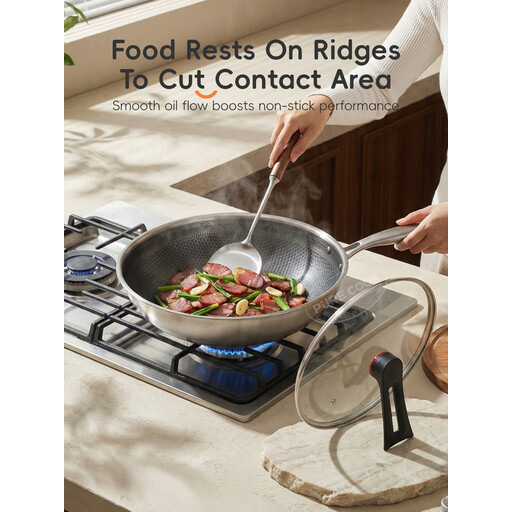
Why This Fits Their Persona: This induction wok is made for quick and healthy stir-fry dishes. Its size is ideal for tossing ingredients, and the pan is designed for cooking with less oil, without a traditional non-stick coating.
The honeycomb texture creates a physical barrier that reduces sticking, a smart alternative to pans without non-stick coatings. The three-layer steel construction ensures fast, even heat.
Combines the durability of stainless steel with reduced sticking, all without chemical coatings. Scratch-resistant and suitable for all hobs.
We have compiled a complete, up-to-date list of products that fully meet these strict selection criteria and UK safety regulations.
Cooking in a stainless steel pan without a non-stick coating requires a simple technique. First, preheat the pan over medium-high heat. After a minute, add a few drops of water. If the droplets dance across the pan like beads, the pan is hot enough. Wipe away the water, add oil, and then immediately add your ingredients. The heat creates a thin layer of steam under the food, which prevents sticking.
Yes, provided you choose a high-quality one. A pan made of thick 304 stainless steel with a tri-ply base won't warp, the coating can't peel off (because there isn't one), and it's resistant to scratches from metal spatulas. It's an investment that, with proper use, can last for decades, unlike many non-stick pans that you have to replace every few years.
A pan must have a magnetic base to work on an induction hob. Most modern stainless steel pans are suitable for this, but always double-check. You can test this by holding a magnet to the bottom. If it sticks, the pan is suitable. Manufacturers also often indicate this with a coil symbol or the text "suitable for all heat sources, including induction."
