
Vandaag of morgen in huis

Kwaliteit gegarandeerd

Welkomstaanbiedingen ontgrendelen: GRATIS bezorging | Tot 80% korting | Gratis 30 dagen JoyPlus-proefperiode
Download de app
A stainless steel lunchbox can last for years, but not every model suits every meal or way of travelling. A compact lunchbox for sandwiches and fruit is very different from an insulated food flask for soup. Terms such as “leakproof”, “airtight” and “double-walled” only tell you so much unless you also check the closure, capacity and care instructions.
For adults, school pupils, students, commuters and families, three pitfalls are particularly important:
On product pages, you will often see 304 stainless steel, 316 stainless steel and 18/8 stainless steel. These labels refer to the material composition. 304 and 18/8 are widely used in food containers. 316 has a different composition which, according to product specifications, may offer greater resistance to corrosion.
Do not look only at the steel itself. Also check:
A stainless steel food container is generally not suitable for microwave use. Metal should not be placed in a microwave unless the manufacturer explicitly states otherwise.
For a single lunch, capacities of around 470 to 600 ml are practical. A 1.4- or 1.5-litre food container is more suitable for a large portion, several people or carrying soup and stews.
A wide opening makes filling, eating and cleaning easier. A rectangular model often makes more efficient use of space in a bag or fridge than a round container. For meal-prep containers, having several sizes is useful, allowing you to store small snacks and larger leftovers separately.
A food container with a lid is not automatically leakproof. Look for a screw-top lid, double closure, locking clips and a silicone ring. Also check whether the product description states that the lid is airtight or leak-resistant.
An insulated food flask uses vacuum insulation differently from an ordinary lunchbox. According to Maxcook’s product description, the vacuum insulation helps keep hot and cold dishes at the right temperature for longer. The stated guideline for certain Maxcook models is 4 to 6 hours, although the result depends on the starting temperature, fill level and surroundings.
Longer storage times are stated for Thermos models. These are claims from the brand’s product information and should be treated as guidance rather than a guarantee for every usage situation. Before filling it, you can preheat or pre-chill the flask for a few minutes in accordance with the product instructions.
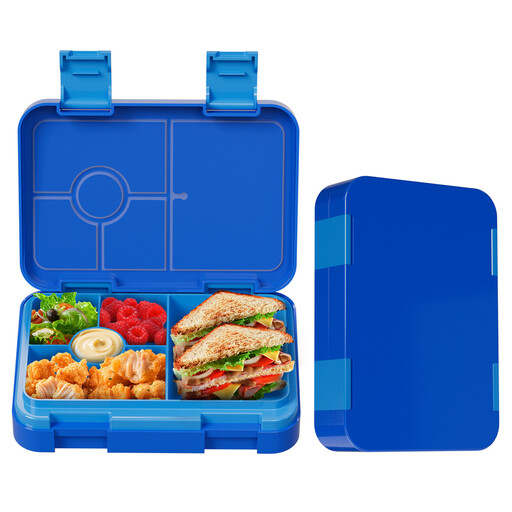
Why it suits this profile: The five compartments are handy for bread, fruit, snacks and side dishes that you want to take to school or the office separately.
The double closure provides a more defined sealing mechanism than a loose lid. However, check the full product information before adding liquid dishes.
Five separate compartments and double closures. Suitable for solid lunch items and snacks.
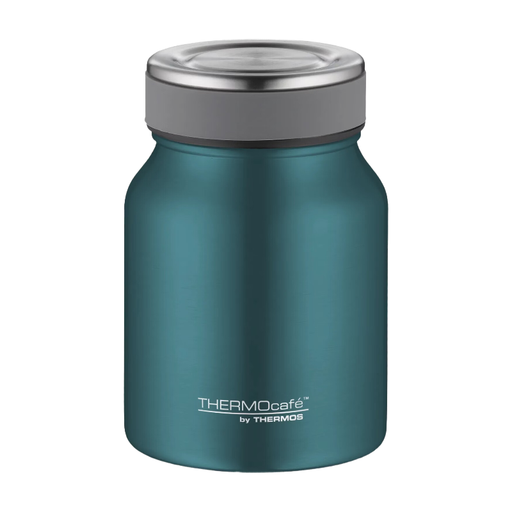
Why it suits this profile: The 500 ml capacity is suitable for one meal or portion of soup. Its compact size is ideal for commuting and outdoor activities.
The screw cap with silicone ring is designed to close without dripping. According to Thermos product information, the vacuum technology helps retain the temperature; the actual duration depends on use and conditions.
500 ml capacity, stainless steel body and vacuum insulation according to the product description.

Why it suits this profile: The generous capacity is suitable for larger portions of soup, stew or meals for several people, for example during a picnic or working day.
The wide opening makes filling and cleaning easier than with a narrow flask. The manufacturer advises against turning the flask upside down or tilting it.
1.5-litre capacity, 316 stainless steel, wide opening and vacuum insulation according to the product details.

Why it suits this profile: The three sizes—600 ml, 1,100 ml and 2,200 ml—provide room for snacks, leftovers and complete meals.
You do not have to rely on one universal size that is often too large or too small. According to the product information, the containers are dishwasher- and freezer-safe.
Three different capacities, 316 stainless steel and lids for storage.
We have put together a complete, up-to-date list of products that fully meet these strict selection criteria and the applicable European safety regulations.
Rinse a new lunchbox or stainless steel food container before using it for the first time. Clean the inside after every meal with warm water and mild washing-up liquid. Remove the silicone ring from the lid occasionally so that food residue does not build up there.
Also bear the following points in mind:
Yes, but choose a soup flask with vacuum insulation and a secure-fitting lid. An ordinary compartmentalised bento lunchbox is generally intended for solid foods. Always check whether the manufacturer mentions liquid food and carrying the product in a bag.
This varies from model to model and depends on the quantity and starting temperature. Maxcook states approximately 4 to 6 hours for various models. According to Thermos product information, certain food jars can keep hot contents at temperature for longer. These are brand and product specifications; the practical result depends, among other things, on preheating, fill level and outdoor temperature.
They can work well when the capacity, shape and cleaning instructions fit your plans. Sets with 600 ml, 1,100 ml or 2,200 ml provide different portion sizes. Before freezing or using the dishwasher, always check the specific product information and allow hot dishes to cool safely first, in line with your usual food hygiene practices.
