
Vandaag of morgen in huis

Kwaliteit gegarandeerd

Welkomstaanbiedingen ontgrendelen: GRATIS bezorging | Tot 80% korting | Gratis 30 dagen JoyPlus-proefperiode
Download de app
Stainless steel kitchenware is popular. It offers a sleek look, is highly durable, and provides a hygienic alternative to plastic. But the market is flooded with products that don't always live up to their promises. A thermos that's lukewarm after just an hour, or a 'leak-proof' container that gives your bag a messy soup surprise, are all-too-common disappointments.
Before you invest in new, long-lasting kitchenware, it's helpful to know where the pitfalls lie. Many products look identical at first glance, but the details determine whether you're making a purchase you'll enjoy for years or one that will be relegated to the back of a cupboard after a few months.
Marketing terms can be misleading, so pay close attention to the actual specifications. Two points are crucial to check before you make a choice.
The term 'stainless steel' is broad. Most kitchen products are made from 304 stainless steel (also known as 18/8). This is an excellent, food-safe standard that resists rust and corrosion well under normal use. For storing dry foods or most meals, this type of stainless steel is a reliable choice.
Occasionally, you'll see 316 stainless steel listed. This type contains an additional element (molybdenum) that makes it even more resistant to acids and salts. Consider 316 stainless steel if you regularly store acidic foods like tomato sauce, salad dressings, or pickled products. It offers extra assurance against long-term degradation.
For a stainless steel thermos or an insulated food container, the insulation technology is the deciding factor. Products with double-walled vacuum insulation typically perform better. Manufacturers often provide an indication of how long a product keeps contents hot or cold, for example, "keeps warm for up to 9 hours." This is an objective specification you can use for comparison.
A leak-proof food container is essential for anyone taking food on the go. The weak link is often the lid. Look for the presence of a silicone sealing ring and a sturdy locking mechanism, such as a screw-top lid or robust clamps. This significantly reduces the risk of leaks.
Based on these criteria, we have selected a number of products that suit different needs and situations.
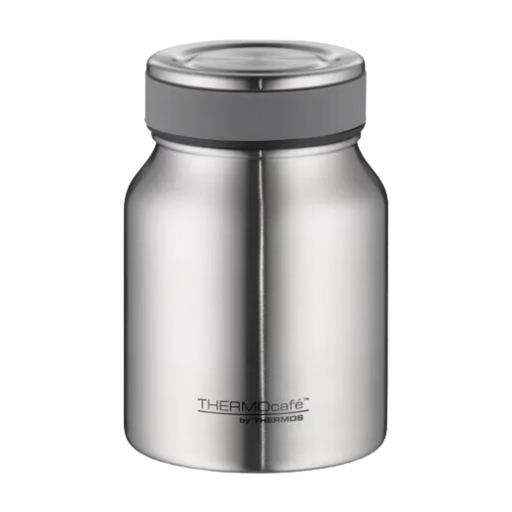
Why This Fits Their Persona: Ideal for those who take a hot lunch, like soup or leftovers from the previous evening, to work. The compact 500 ml capacity is perfect for a single person and fits easily into a bag.
The manufacturer claims its Thermax vacuum insulation keeps food hot for 9 hours. The screw-top lid with a silicone ring is designed to prevent leaks, addressing a common problem with cheaper containers.
Fully stainless steel, shock-resistant, and dishwasher-safe for easy maintenance. A practical solution for keeping food warm on the go.
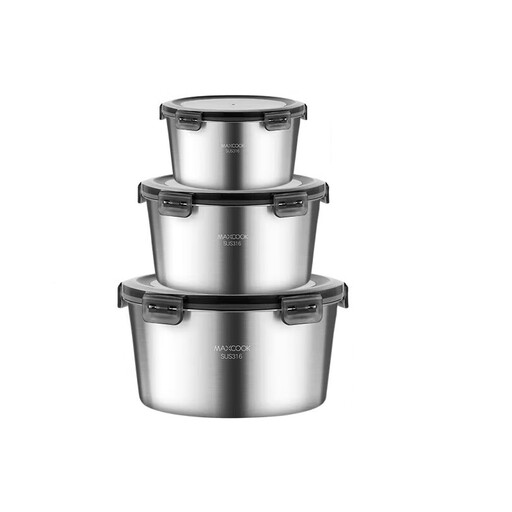
Why This Fits Their Persona: This set with three different sizes (600ml, 1100ml, 2200ml) is ideal for preparing and storing meals. It's suitable for the freezer and dishwasher, which simplifies the meal-prepping process.
Made from 316 stainless steel, which offers superior corrosion resistance. This is a clear upgrade from unspecified or lower-quality steel and ensures a longer lifespan, even when in contact with acids.
The set offers versatility for stainless steel food storage. The containers are stackable, which helps with efficiently organizing the kitchen or refrigerator.
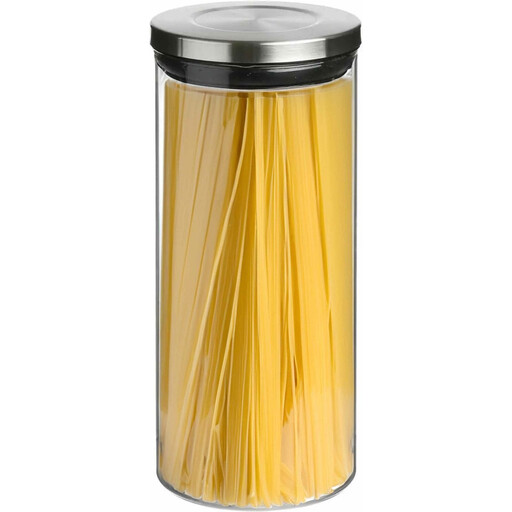
Why This Fits Their Persona: For those who want to combine functionality with a tidy and stylish look in the kitchen. This glass storage jar with a stainless steel lid is perfect for storing dry goods like pasta, rice, or muesli.
This product avoids the pitfall of impractical, fully opaque containers. The glass allows you to see what's inside and how much is left, while the stainless steel lid provides a durable and hygienic seal.
The combination of glass and stainless steel offers the best of both worlds: visibility and a sleek, modern appearance. The jar itself is dishwasher-safe.
We have compiled a complete, up-to-date list of products that meet these selection criteria and comply with current safety regulations.
No, stainless steel and other metals should absolutely not be put in the microwave. Metal reflects microwaves, which can lead to sparking, damage to your microwave, and even a fire hazard. Never heat food in stainless steel containers in the microwave.
For daily cleaning, a soft cloth with warm water and a mild dish soap is sufficient. Always dry the surface thoroughly with a clean, dry cloth afterwards to prevent water spots. For stubborn stains or fingerprints, you can use a special stainless steel cleaner. Always wipe with the 'grain' (the polishing lines) of the steel for a streak-free result.
Not necessarily. The price is often determined by the brand, design, and the type of steel used. For storing dry pasta or rice, a standard 304 stainless steel container is perfectly fine. It's better to invest in a product with 316 stainless steel or advanced insulation if you have specific requirements, such as taking hot soups on the go or storing acidic ingredients. The right choice depends on your personal use.
